


Oct. 16, 2014
Clean Tech Law Partners PC
See more on Clean Tech Law Partners PCSan Francisco | Clean Technology


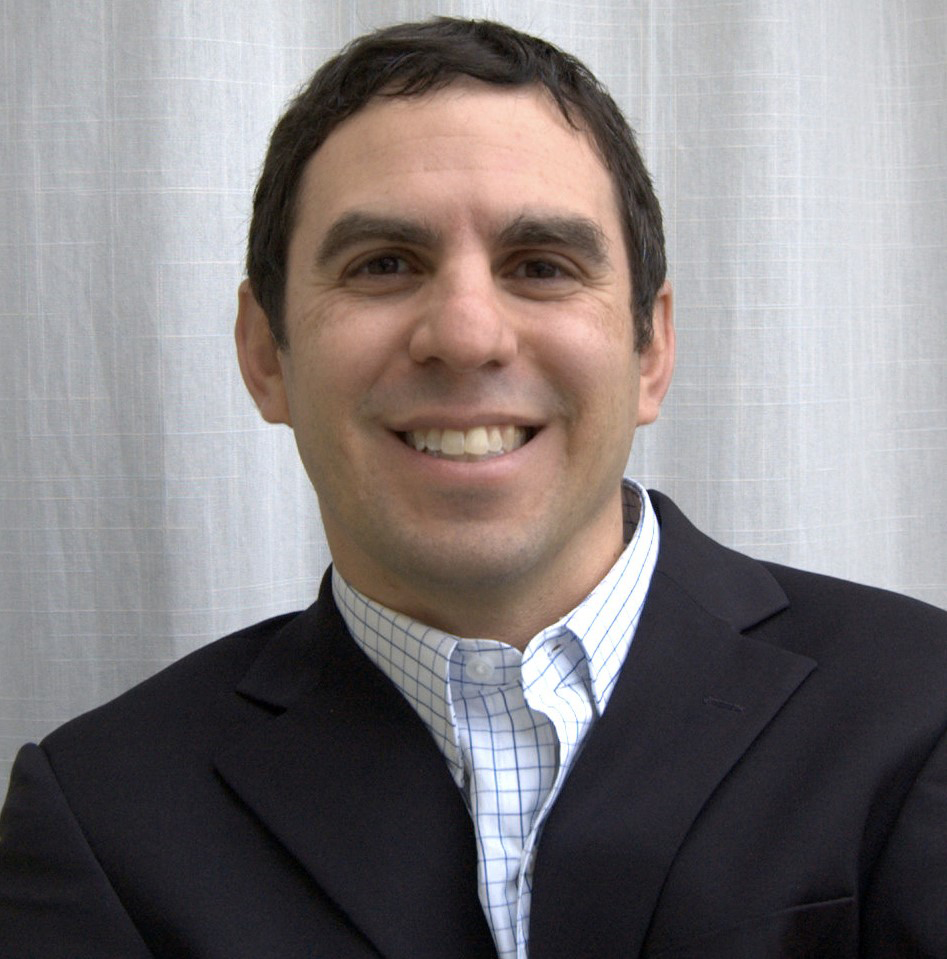
The firm's founder and managing partner Jack Jacobs first got the idea to create a clean tech-focused law firm while getting his LL.M. in environmental law and natural resources policy at Northwestern School of Law at Lewis & Clark College. He researched how the law could be used as a tool for encouraging renewable energy and clean technology and talked to lots of venture capitalists, CEOs, policy experts and politicians.
"I realized there were few true expert firms focused in this field and I took that as a sign that it was needed ... to help grow the industry as a whole," Jacobs said.
The firm has steadily brought on more attorneys and has seen exponential growth in its client base, Jacobs said. It represents clean tech companies, project developers implementing clean tech projects such as renewable energy facilities, helps organizations in drafting legislation and advises investors and others on the implications of government policymaking.
While based in San Francisco, the firm has lawyers who work remotely all over the country and abroad. It relies heavily on technology such as shared online billing and video conferencing to keep overhead low. The approach frees up the firm to bring on attorneys based on experience rather than geographic location, Jacobs said. It's not afraid to try things that are a bit different, including a recently announced joint venture with the Israeli law firm Shibolet & Co. to work on cross border clean technology matters.
The firm's 32 lawyers all have a senior level of experience and the compensation model encourages business development, Jacobs said. Attorneys specialize in areas such as project finance, corporate law and intellectual property in order to be a full-service firm catering exclusively to the needs of the clean tech sector. Several have worked at big firms, including James M. Birkelund from Morrison & Foerster LLP, Rachel Doughty from Paul Hastings LLP and Travis Allan from Skadden, Arps, Slate, Meagher & Flom LLP & Affiliates. Some attorneys act as general counsel for smaller companies that need more legal work but who are not yet ready to hire an in-house attorney, Jacobs said.
Birkelund, who leads the firm's environmental and utilities practice groups, said the common thread connecting all the attorneys at Clean Tech Law Partners is a real passion for renewable energy and addressing environmental issues such as climate change. The firm gives attorneys a lot of autonomy but also has a very collegial culture where lawyers call on colleagues to help with client matters, said Birkelund, who joined the firm four years ago.
The firm's diversity of attorney expertise gives it the ability to deal with any issue that comes up for its clients, Birkelund said. His recent work has included handling transactions for a producer of efficient lighting and the negotiation of a micro hydropower agreement. Micro hydro power employs small devices in places such as irrigation ditches to harness the energy of the water flowing without the environmental harm of dams, which block fish passage.
At the beginning of the clean tech boom there was a lot of excitement but also a lot of hesitation, Jacobs said. As more and more technology, like micro hydro, emerges, and industries like wind and solar become ever more established, it's becoming more accepted into the mainstream, he said.
"It's not a fad, it's a real transition of the energy industry, and as it continues to mature and grow and develop I think it will continue to have consistent growth," Jacobs said.
- Fiona Smith
For reprint rights or to order a copy of your photo:
Email
Jeremy_Ellis@dailyjournal.com
for prices.
Direct dial: 213-229-5424
Send a letter to the editor:
Email: letters@dailyjournal.com