


Feb. 21, 2018
Estate of Manuel Diaz v. City of Anaheim
See more on Estate of Manuel Diaz v. City of Anaheim


Excessive Force
Central District
U.S. District Judge James V. Selna
Plaintiff’s Lawyers: Dale K. Galipo, Melanie T. Partow, The Law Offices of Dale K. Galipo; Angel J. Carrazco, Carrazco Law APC; Humberto M. Guizar, Montebello
Defense Lawyers: Steven J. Rothans, Jill Williams, Carpenter, Rothans & Dumont LLP
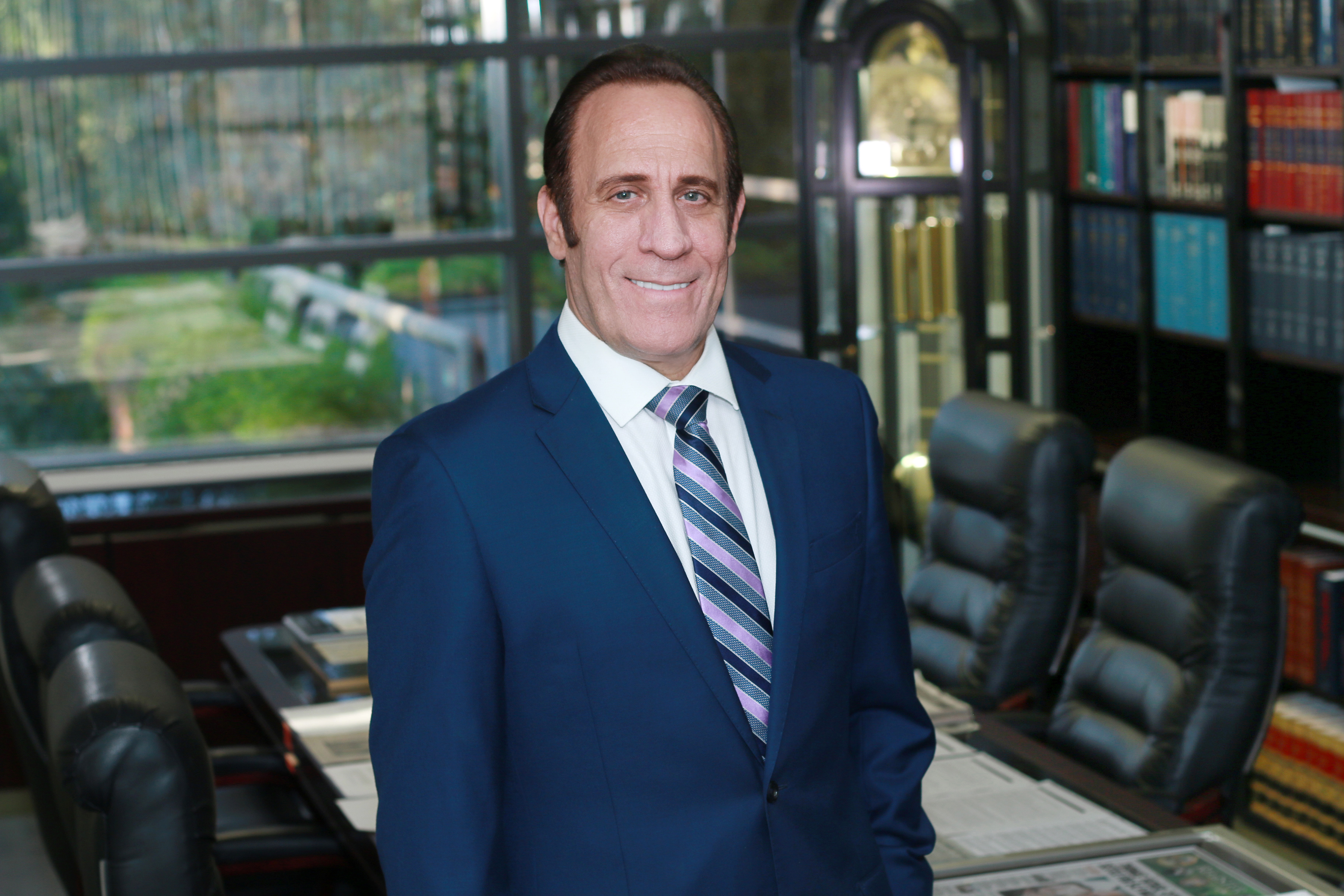
Plaintiff’s attorney Dale Galipo didn’t mince words when asked about the significance of November’s excessive force jury verdict against the city of Anaheim for the family of a 25-year-old man shot to death by a police officer.
“For the mother of this decedent, that decision meant a lot,” he said. “She’d been fighting for her son for years. ... And finally hearing that they ‘used excessive force’ when they killed her son, trust me that meant the world to her.”
Representing Genevieve Huizar, the mother of Manuel Diaz, who was unarmed when he was shot twice by an Anaheim police officer in 2012, Galipo described the decision as a “Davey and Goliath story,” noting the plaintiff’s team overcame an earlier defense verdict and a typically conservative Orange County jury. Estate of Manuel Diaz v. City of Anaheim, 12-CV01897 (C.D. Cal., filed Nov. 1, 2012).
Galipo was not as pleased, however, with the damages phase of the trial.
“From my view, when a life is lost, I think it’s worth more than $200,000,” he said.
“I think what happened was the jury heard he was in a gang,” Galipo continued. “They heard he might have been on drugs, heard he had spent significant amounts of time incarcerated and figured ... ‘We agree with you it was excessive, but we’re not going to give them a lot of money.’”
Plaintiffs lost a first bid to hold the city liable for Diaz’s shooting in a 2014 jury trial, but the 9th U.S. Circuit Court of Appeals overturned that verdict, ruling details about Diaz’s gang affiliation and prison background were incorrectly introduced as evidence.
Remanding the case, the 9th Circuit said the retrial should be bifurcated, leading to a liability presentation without “any description of the decedent at all,” according to defense attorney Steven J. Rothans.
“In the first phase, the jury didn’t even get to see a photograph of Mr. Diaz,” Rothans said.
Describing Galipo as a “very skilled and experienced trial lawyer,” Rothans said the plaintiff attorney’s representation of substantial time between the officer’s two shots, the second of which struck Diaz in the back of his head, was a deciding factor in the liability verdict.
“By most accounts, there was no gap of time,” Rothans said. “It was one round followed by the other, but Mr. Galipo, being skilled and being very savvy in this area, made it seem like there was a gap. So he convinced the jury that while the first round may or may not have been necessary, certainly the second was excessive. And from our discussions with the jurors after the verdict, that’s where they hung their hat.”
Much of Diaz’s background was fair game, however, in the damages proceedings. The decedent’s street gang affiliation, his incarceration history, his gang-affiliated tattoos, and a limited exploration of his narcotics history were all permitted in the trial’s second phase, according to Rothans.
And while Galipo asked for damages of $11 million, Rothans suggested no more than $250,000.
“I don’t think there were any winners in this case,” Rothans said.
The city settled regarding attorney fees with Huizar after the trial, according to Galipo, agreeing on approximately $1.75 million.
— Shane Nelson
For reprint rights or to order a copy of your photo:
Email
Jeremy_Ellis@dailyjournal.com
for prices.
Direct dial: 213-229-5424
Send a letter to the editor:
Email: letters@dailyjournal.com