


Feb. 21, 2018
Bastidas v. Good Samaritan Hospital LP
See more on Bastidas v. Good Samaritan Hospital LP


Retaliation
Northern District
U.S. District Judge Susan Illston
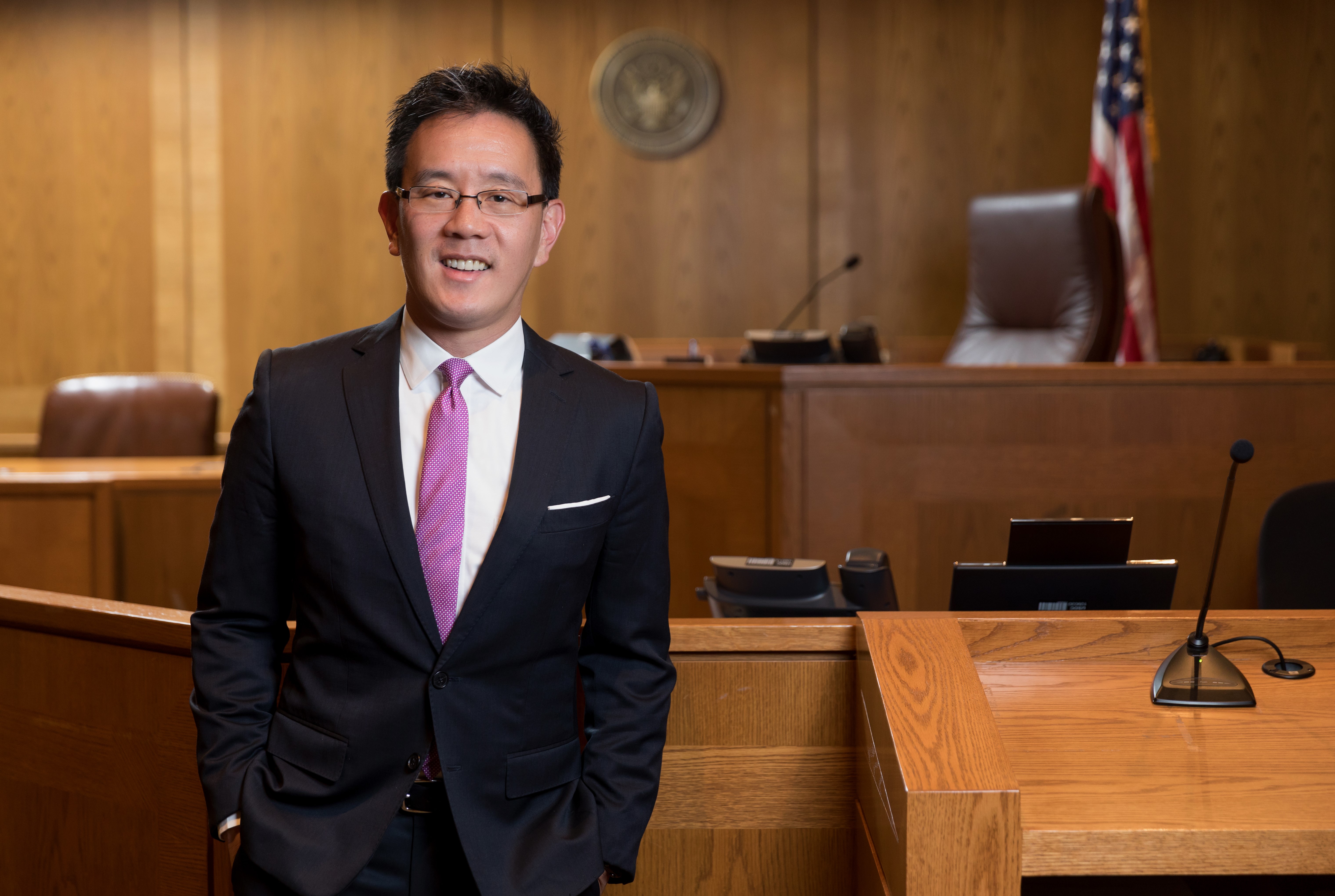
Defense Lawyers: Michael Li-Ming Wong, Noah F. Stern, Vanessa A. Pastora, Lauren Dansey, Gibson, Dunn & Crutcher LLP
Plaintiff's Lawyers: James A. Hennefer, Hennefer, Finley & Wood LLP
After Dr. J. Augusto Bastidas removed a patient's kidney instead of a cancerous pancreas, ultimately resulting in the patient's death, the hospital and its medical staff suspended his surgical privileges, leading him to sue over alleged civil rights violations including racial discrimination and retaliation claims.
According to lead defense counsel Michael Li-Ming Wong of Gibson, Dunn & Crutcher LLP in San Francisco, the case was unusual in that most civil rights or retaliation cases are not tried to verdict.
He said the jury's unanimous verdict and decision to award no money to the plaintiff were partly due to his ability to persuade the jury about the central theme of the case. Bastidas v. Good Samaritan Hospital LP, 13-CV04388 (N.D. Cal., filed Sept. 20, 2013).
"Trial themes are important," Wong said. "Our theme was that this is not a case about whether or not he is a good or bad doctor and it's not about retaliation. It's a case about patient safety."
Wong said that after trying his case in front of a mock jury, he realized a more aggressive approach on his part would make the actual jury feel protective of the doctor and so he remained respectful but firm, undermining Bastidas' credibility during a daylong cross-examination. At trial, plaintiff's counsel James A. Hennefer of Hennefer, Finley & Wood LLP told jurors to "send a message" by awarding Bastidas more than $10 million in damages.
Wong and his team also turned what was for them a negative development in the case to their advantage after U.S. District Judge Susan Illston allowed the plaintiff's side to introduce evidence of allegedly retaliatory incidents by the hospital and the medical staff overseeing the discipline of Bastidas.
Hewing to his central theme, Wong introduced evidence of other patient safety issues involving the doctor and supporting his argument that the case was not about retaliation.
"You learn from doing trials that usually a very effective cross-examination is not scoring the big Perry Mason moment that we all dream about during law school but instead death by a thousand cuts," Wong said.
He added that Bastidas was combative and argumentative during questioning, but he was determined not to argue.
Wong said the decision was a victory for the ability of medical staffs to properly censor doctors. "In this litigious environment, it does help establish that patient safety should be the bedrock principle, the cornerstone for peer review proceedings," he said.
-- Chase DiFeliciantonio
For reprint rights or to order a copy of your photo:
Email
Jeremy_Ellis@dailyjournal.com
for prices.
Direct dial: 213-229-5424
Send a letter to the editor:
Email: letters@dailyjournal.com