


Antitrust
San Francisco County
Superior Court Judge Curtis E. A. Karnow
Defense Lawyers: Sarah M. Ray, Margaret M. Zwisler, William R. Sherman, Elyse M. Greenwald, Robin L. Kuntz, Arianna Medina, Latham & Watkins LLP
Plaintiff’s Lawyers: Francis O. Scarpulla, Law Offices of Francis O. Scarpulla; Joseph J. Tabacco Jr., Todd A. Seaver, Berman Tabacco; Joe Cooper, Cooper & Kirkham PC; Eric B. Fastiff, Lieff Cabraser Heimann & Bernstein LLP; Guido Saveri, R. Alexander Saveri, Saveri & Saveri Inc.; Qianwei Fu, Zelle LLP
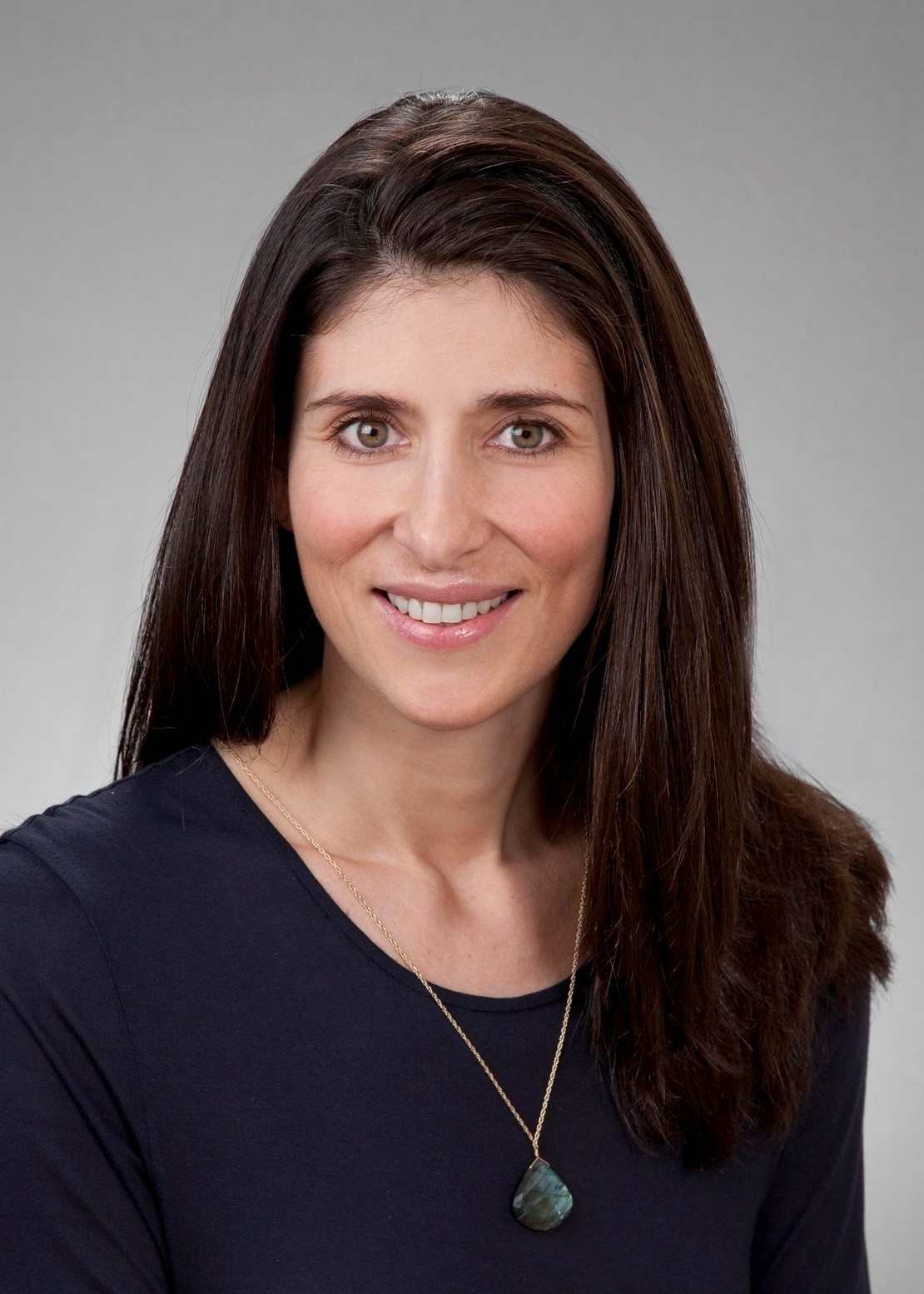
“We definitely believe the parties were in privity, because it was the same attorneys prosecuting the same allegations and representing the interests of these plaintiffs.”
Sarah Ray, Latham & Watkins LLP
Citing a previous ruling in a federal lawsuit, Latham & Watkins LLP attorneys were able to get a state lawsuit dismissed against Ford Motor Co. of Canada Ltd.
In June 2017, San Francisco County Superior Court Judge Curtis E. A. Karnow granted defendant Ford Canada’s motion for entry of judgment on res judicata grounds, finding that a prior federal court decision precluded plaintiffs from re-litigating a $1 billion, 14-year-old antitrust complaint claiming an auto manufacturers’ conspiracy drove up car prices.
In 2009, a Maine federal judge granted summary judgment in favor of several auto manufacturers, including Ford Canada, in a related multidistrict antitrust complaint not long after allowing the federal plaintiffs to voluntarily dismiss their claims under California law after six years of litigation. New Motor Vehicles Canadian Export Antitrust Litigation, 632 F. Supp. 2d 42 (D. Me. 2009).
Following the federal summary judgment, California plaintiffs pursued pending litigation in San Francisco County Superior Court, according to plaintiff’s attorney Francis O. Scarpulla. Automobile Antitrust Cases I and II, CJC03004298 (San Francisco Super. Ct., filed April 30, 2003).
Although the California plaintiffs were not parties to the federal action, the federal court consolidated discovery in the two actions and the California plaintiffs were represented by the same counsel as the federal plaintiffs, according to Sarah M. Ray, a Latham & Watkins LLP partner who represented the defendant.
After speaking with attorneys for both sides, it’s clear privity, or a legal relation between the two parties, was a pivotal issue.
“We definitely believe the parties were in privity, because it was the same attorneys prosecuting the same allegations and representing the interests of these plaintiffs,” Ray said.
Karnow ruled last June that the 2009 federal summary judgment prevented the California plaintiffs from litigating the same conduct and injury allegations in the federal claims, holding that the California plaintiffs were seeking to vindicate the same primary right as the federal plaintiffs.
“These two complaints were carbon copies of each other,” Ray said. “The plaintiff’s alleging the exact same defendants were engaging in the exact same allegedly anti-competitive conduct, based on the same evidentiary record.”
Ray maintained that, just like the federal plaintiffs, the California class was seeking to redress harm stemming from “an alleged conspiracy leading them to supposedly pay too much for their vehicles.”
“That’s the same primary right,” she added.
“There’s no privity between the California plaintiffs in the California State Court and the non-California plaintiffs in the federal court,” argued Scarpulla, who said his clients filed briefs earlier this year to appeal Karnow’s decision. “There has to be some connection.”
Scarpulla said he couldn’t think of another case handled similarly.
“The novel legal question is whether a decision in a federal court, where California plaintiffs are not present, is sufficient to permit a state court judge to apply the federal decision against entities that weren’t in the federal court in the first place,” he said.
Ray said the defense team will file response briefs with the California Court of Appeal later this spring.
— Shane Nelson
For reprint rights or to order a copy of your photo:
Email
Jeremy_Ellis@dailyjournal.com
for prices.
Direct dial: 213-229-5424
Send a letter to the editor:
Email: letters@dailyjournal.com