


Immigration
9th U.S. Circuit Court of Appeals
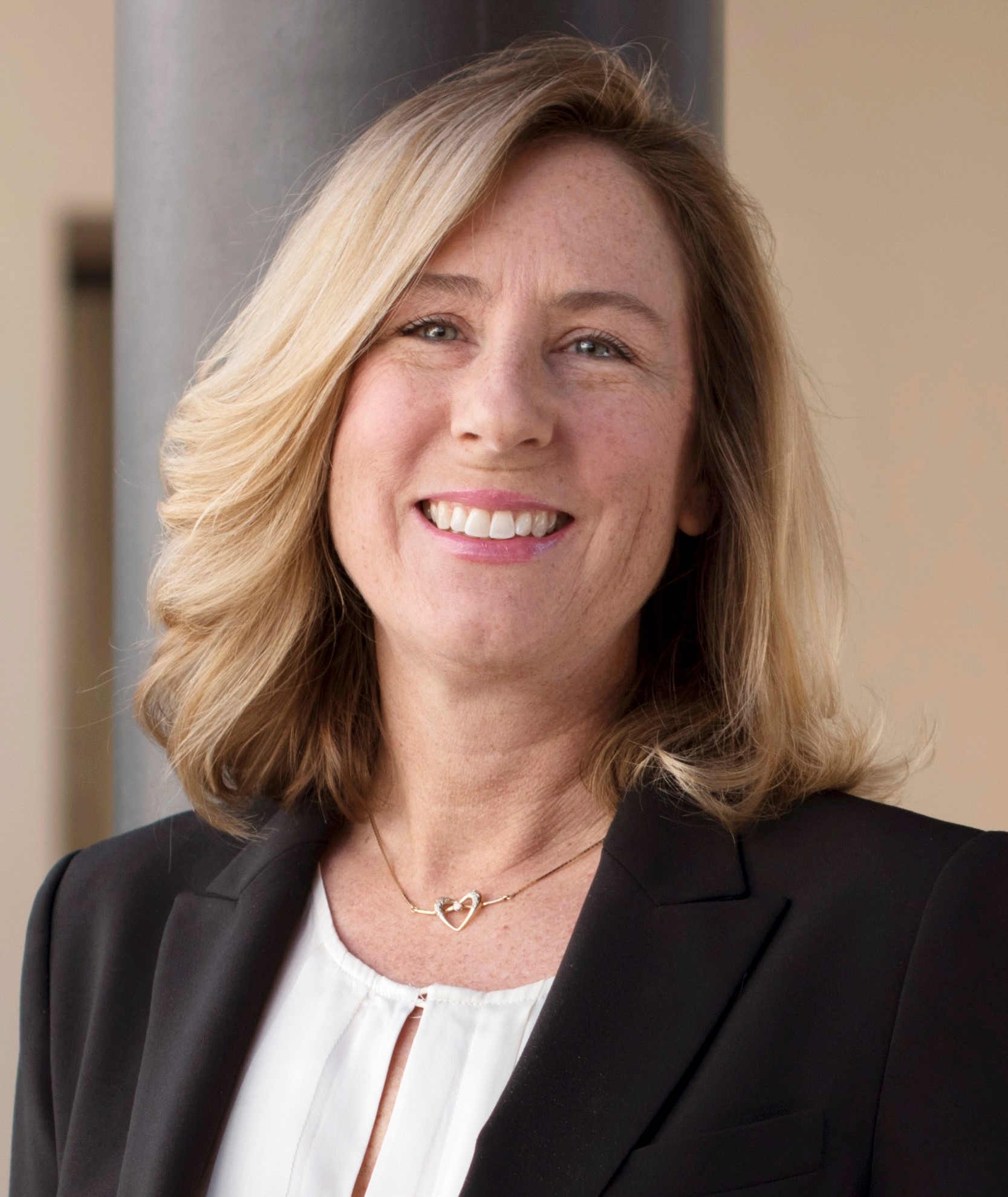
Judge Kim McLane Wardlaw
Appellant’s Lawyers: Erwin Chemerinsky (former), Kathryn M. Davis, Munmeeth Soni (former), Peter Afrasiabi, Andrea Ringer (former student), Marco Pulido Marquez (former student), UC Irvine School of Law; Mary-Christine Sungaila, Haynes and Boone LLP
Appellee’s Lawyer: John W. Blakeley, U.S. Department of Justice
After a 2015 9th U.S. Circuit Court of Appeals panel decision, it appeared that Carlos Bringas-Rodriguez — a gay Mexican man seeking asylum in the U.S. after suffering sexual abuse and violence in his home country — would be deported.
An en banc court remanded Bringas-Rodriguez’s case to the Board of Immigration Appeals in March 2017, however, after professors from the UC Irvine School of Law Appellate Litigation Clinic argued his case on appeal, resulting in an opinion that they said strengthens and defends asylum for the persecuted and vulnerable. Bringas-Rodriguez v. Sessions, 2017 DJDAR 2119.
“The government’s position was that since he was abused as a child, that means it’s pedophilia, not because of sexual orientation discrimination, therefore he’s not entitled to asylum,” said Erwin Chemerinsky who argued the case before the en banc court and is now dean of UC Berkeley School of Law. “That means that any child who was abused in that way would never be entitled to asylum.”
Chemerinsky also noted that the decision by Judge Kim Wardlaw — with a concurrence by Judge Richard Clifton and a dissent by Judge Carlos Bea — reversed the previous panel decision but also a case that dealt with similar issues concerning the criteria and standard of proof for certain types of asylum. Castro-Martinez v. Holder, 674 F.3d 1037 (9th Cir. 2011).
“All of the grounds that Castro-Martinez and the panel in Bringas-Rodriguez used would make it very difficult for those who are persecuted based on sexual orientation to get asylum,” Chemerinsky said. “The statute allows for asylum for those who were persecuted based on sexual orientation and I think this makes sure that asylum is available to those individuals.”
Kathryn Davis represented Bringas-Rodriguez during the en banc proceedings and is co-director of the UC Irvine School of Law Appellate Litigation Clinic said that the decision was a significant victory for children who have been persecuted by private actors because of their sexual orientation.
“The en banc decision rightly held that Castro-Martinez was an unjustified departure from pre-existing circuit law, and clarified that child victims of persecution must not be subjected to heightened, and often unattainable, evidentiary burdens. Instead, children who suffer persecution at the hands of private actors will be subject to the same evidentiary standards that apply to similarly situated adults,” Davis said.
A key issue in Bringas-Rodriguez and the 2011 Castro-Martinez case was whether an asylum seeker was fleeing from a country where the government cannot or will not control persecution against homosexuals.
Bea, joined by Judge Diarmuid O’Scannlain in dissent, wrote that the decision “usurps the power of the Board of Immigration Appeals to determine facts.”
They also wrote that a single instance of persecution of a homosexual man and what they saw as strong efforts by the Mexican government to protect its homosexual citizens did not compel them to reverse the original immigration board decision.
According to Munmeeth Soni, who represented Bringas-Rodriguez during the en banc proceedings and is now the co-legal director at the Immigrant Defenders Law Center in Los Angeles, the case was extremely important for hundreds of other asylum seekers similar to Bringas-Rodriguez who suffered childhood persecution.
“Not just for LGBTQ [people] but for any person who has suffered abuse and persecution as a child, this case finally opened the doors for them to be able to present their claim,” Soni said.
According to Soni, Bringas-Rodriguez’s ordeal is not over. He was deported in absentia against the 9th Circuit order in December after his routine check-in with immigration authorities.
Soni said Bringas-Rodriguez did not appear at an immigration hearing in San Diego because a notice was not sent to his current address on file in Kansas City and may not have been sent at all.
After filing an emergency writ with the 9th Circuit, the court ordered him to be returned to the U.S. in January where his case will continue.
Coincidentally, Soni said the day he was deported, another one of her clients received protection in the U.S. because of the decision in the case. “Overnight, immediately, we saw the impact.”
— Chase DiFeliciantonio
For reprint rights or to order a copy of your photo:
Email
Jeremy_Ellis@dailyjournal.com
for prices.
Direct dial: 213-229-5424
Send a letter to the editor:
Email: letters@dailyjournal.com