


May 2, 2018
Elizabeth J. Cabraser
See more on Elizabeth J. CabraserLieff Cabraser Heimann & Bernstein LLP


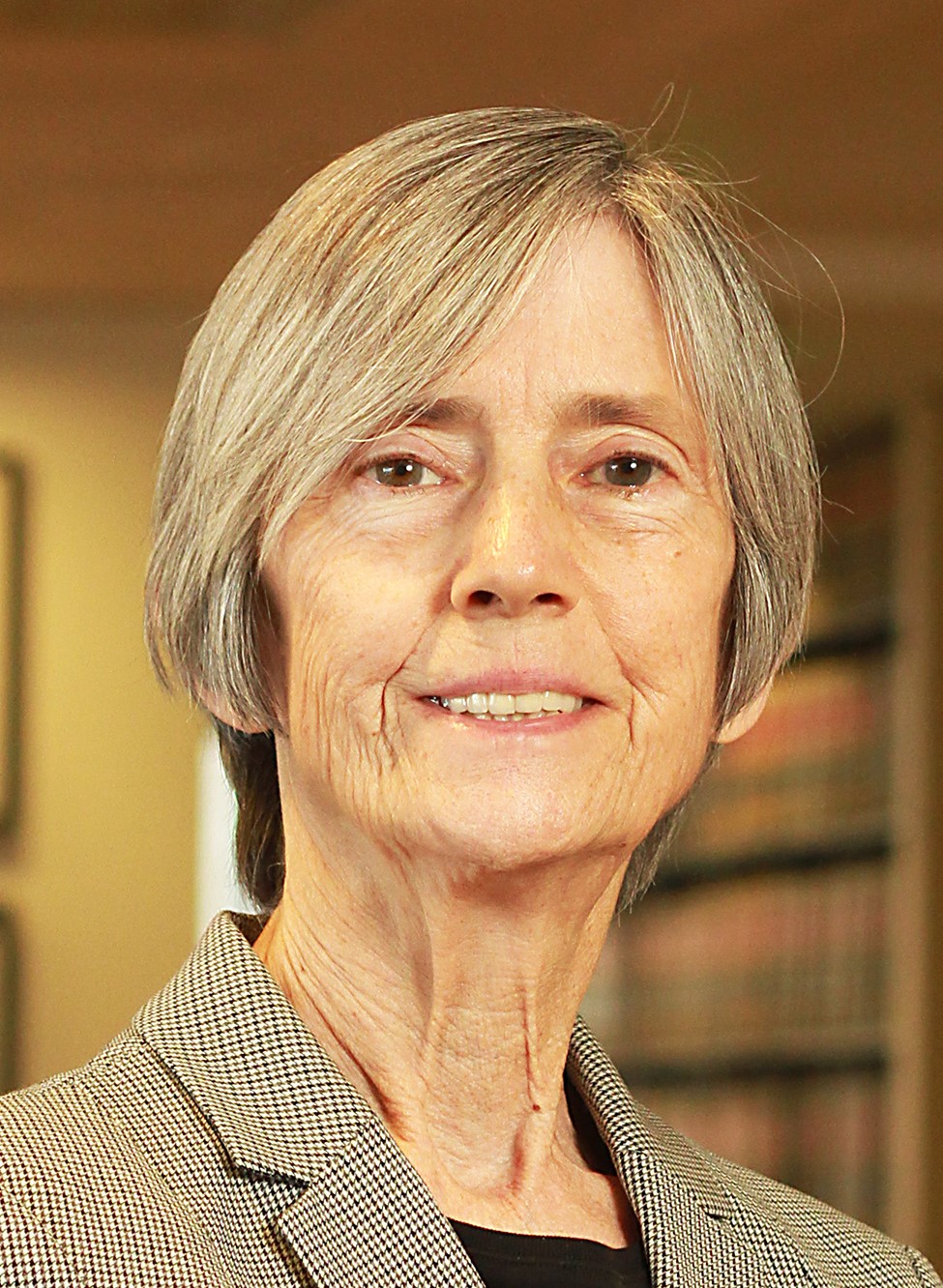
There are few people who can take command of a room that includes former FBI Director Robert Mueller and U.S. District Judge Charles R. Breyer but Cabraser is clearly one of them. She channels gravitas in a way that utterly defies preconceptions about plaintiff’s attorneys.
Cabraser’s list of accomplishments is long enough to require an appendix and yet every time it appears that she has already done it all, she demonstrates an uncanny knack for finding another mountain worth climbing.
This time she found it in the largest consumer class settlement on record, as lead plaintiff’s counsel in the Volkswagen Clean Diesel litigation. Like a climber returning from Mount Everest struggling for adjectives to characterize the experience, it seems inadequate to describe the Volkswagen case as enormously complex, but no better words exist. Over a series of months, more than 500 cases converged into one in Breyer’s San Francisco courtroom.
The settlements thus far total $14.7 billion. Some aspects of carrying out the settlement are still ongoing, but consumers have already received repairs on 50,000 vehicles and $9 billion in payments. More than 95 percent of the class is participating in the settlement. In re Volkswagen “Clean Diesel” MDL, 15-MD-2672 (N.D. Cal., filed Dec. 8, 2015).
Cabraser is no stranger to auto cases or to massive litigation. She took a lead role in the General Motors LLC ignition switch case and the Takata Corp. airbag products liability litigation. She was also on the steering committee for the Deepwater Horizon litigation following BP’s massive Gulf Coast oil spill in 2010. The claims program devised to carry out the settlement in the Deepwater Horizon case was so enormous that it employed 3,000 people at one point. The plaintiff’s lawyer said Breyer seemed to take inspiration from Judge Carl Barbier’s expeditious handling of the Deepwater Horizon case.
“They resolved litigation more swiftly than anyone could imagine major litigation being resolved before and they did it well,” she said.
Cabraser added that the current regulatory conditions are unlikely to stem the tide of these big cases, because fraud schemes or other issues in the industry aren’t detected until after they’ve grown into massive incidents.
“We had a high water mark with very effective, very assertive regulation under the Obama administration,” she said. “It may take another administration change before we see a renewed emphasis on regulation.”
— Joshua Sebold
For reprint rights or to order a copy of your photo:
Email
Jeremy_Ellis@dailyjournal.com
for prices.
Direct dial: 213-229-5424
Send a letter to the editor:
Email: letters@dailyjournal.com