


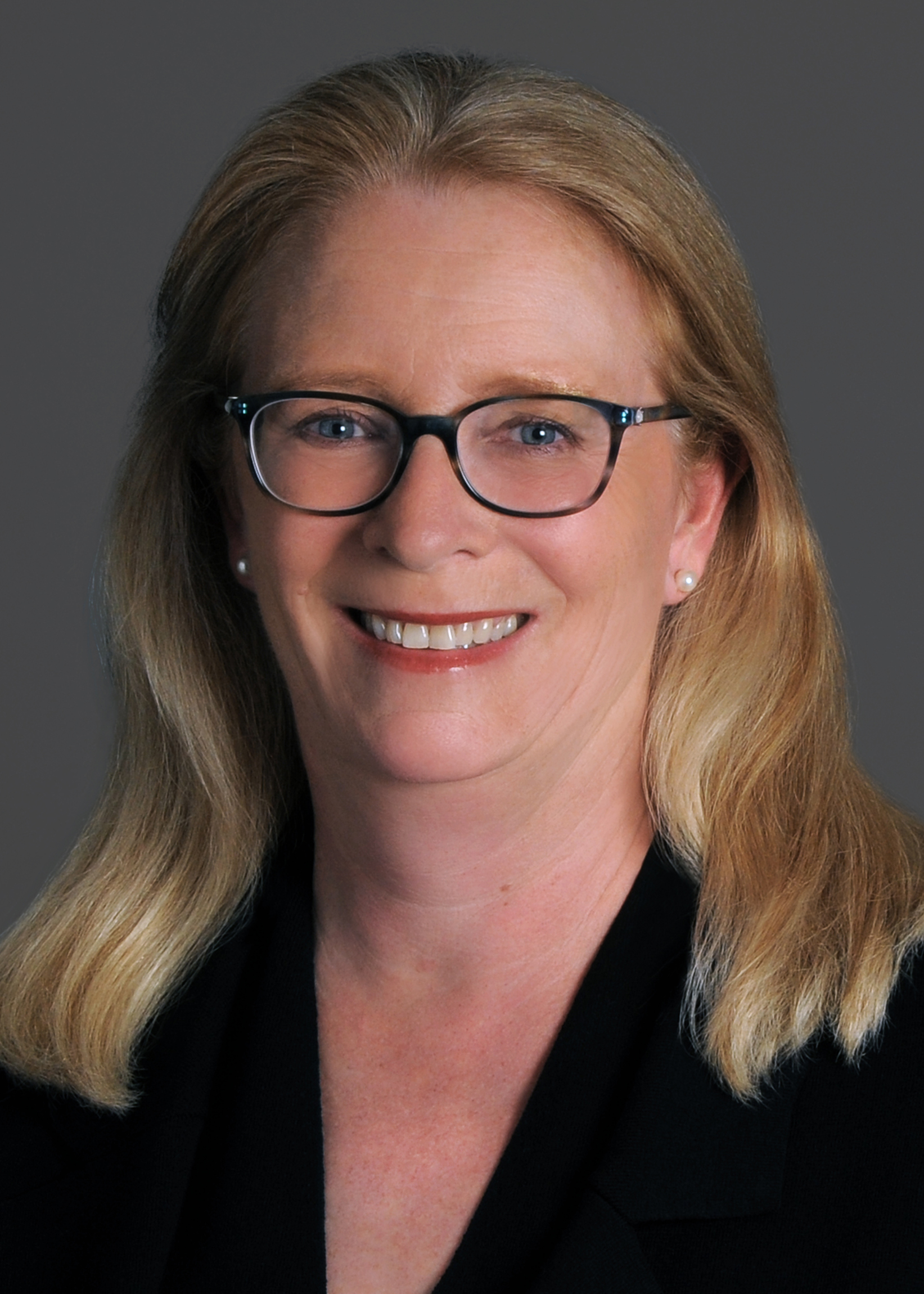
Linsley’s recent work includes cases for technology giants like Facebook Inc. and Expedia Inc., representing them on cutting-edge legal issues unique to the digital age.
Facebook — along with Google LLC and Twitter Inc. — were sued on the grounds that their platforms had not sufficiently enforced their own anti-terrorism policies and sought to hold them liable for attacks that occurred around the world.
Linsley was the lead lawyer on multiple cases and defended the companies against claims that they were responsible for ISIS and other terrorist groups allegedly misusing the sites by posting content that supported terrorist activities. Gonzalez v. Facebook et. al., 6-CV03282 (N.D. Cal., filed June 14, 2016).
“The principal problem is that there is no causal connection between the defendants’ activities and the terrorist attacks that occur,” Linsley said of the multiple cases she defended the technology company on.
Federal criminal statute requires defendants to have knowingly assisted in wrongful acts of terror, which Linsley said the companies obviously did not do.
“Terror statutes are aimed at people who are committing terrorist acts or are assisting terrorist acts,” Linsley said. “There hasn’t been a single court to disagree that these claims do not have merit and should not go forward.”
Linsley also heads national Gibson Dunn teams defending travel company Expedia and its short-term rental websites HomeAway.com and VRBO.com from state and local laws seeking to strongly regulate their businesses.
The regulations seek to limit the sites’ operations include prohibiting listing certain types of home offerings and challenges under the federal Communications Decency Act, according to Linsley. Other ordinances have sought to force the sites to turn over customer information to a local government. “There is a federal law that prohibits that kind of order to turn over what would otherwise be confidential customer information and data,” Linsley said. She added that her clients were willing to work with the government to find common ground on regulations.
“They’re not saying there shouldn’t be regulations, they’re just saying the regulation needs to be reasonable, it needs to not violate federal law.” Linsley also served as a special master on a U.S. Supreme Court case involving a water dispute between North Carolina and South Carolina. South Carolina v. North Carolina, 558 U.S. 256 (2010).
Linsley heard evidence and presided over discovery disputes among other duties in the case which eventually settled. “It was a privilege and an honor to be able to serve the court,” Linsley said.
— Chase DiFeliciantonio
For reprint rights or to order a copy of your photo:
Email
Jeremy_Ellis@dailyjournal.com
for prices.
Direct dial: 213-229-5424
Send a letter to the editor:
Email: letters@dailyjournal.com