


Jul. 18, 2018
J. Bernard Alexander III
See more on J. Bernard Alexander IIIAlexander Krakow + Glick LLP


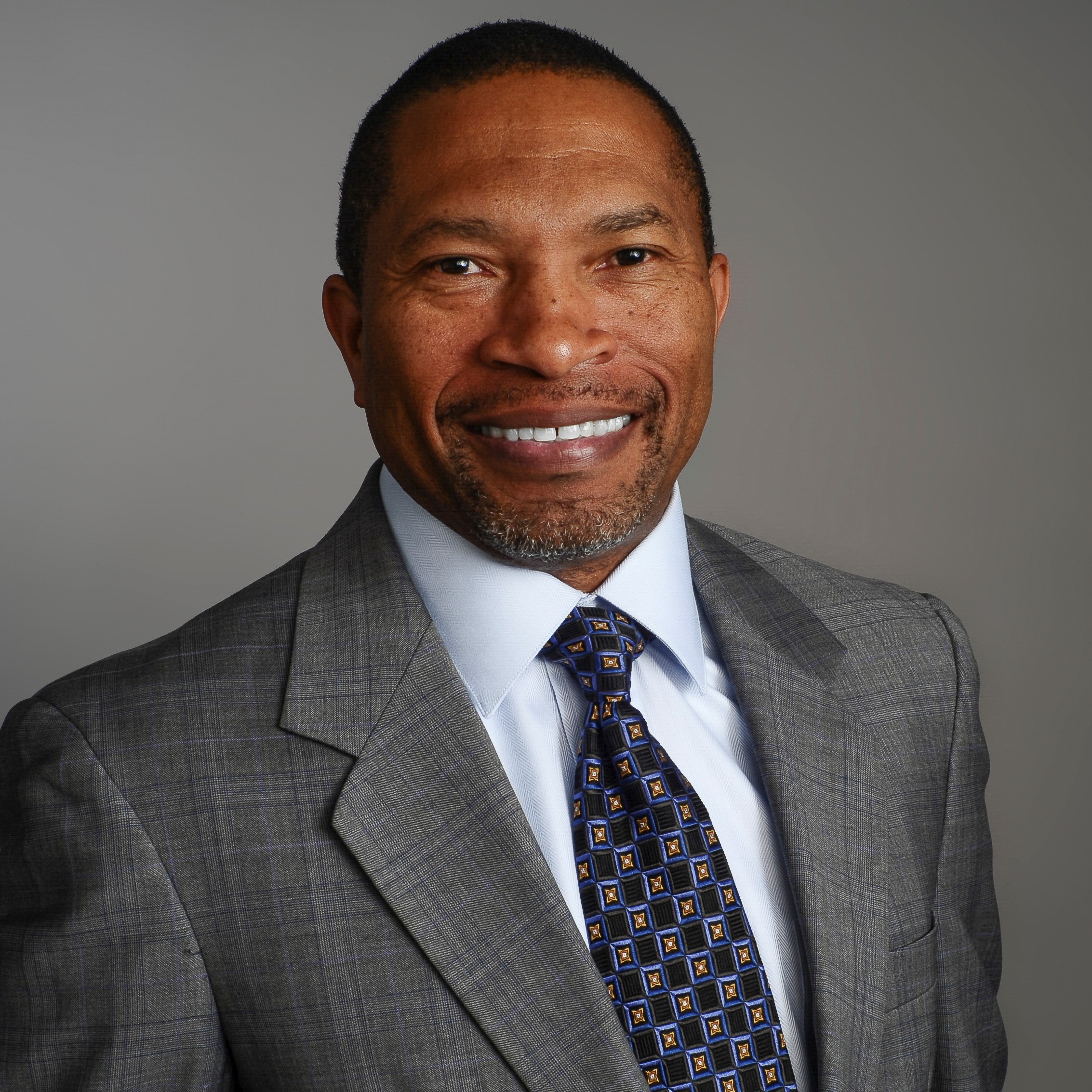
When a federal jury ordered the City of Westminster’s police chief and three former chiefs to pay about $3.5 million to three Latino officers who alleged discrimination, Alexander concedes this case stands out far among the rest of his victories in employment litigation.
He cited statistics that backed the allegation that Latino officers were more likely to be assigned to mall detail, an unflattering duty, rather than work on a career path that led to a motorcycle officer or a detective. Flores v. City of Westminster, SA CV 11-0278-DOC (C.D. Cal. Aug. 11, 2014).
“It’s a pretty big case in the sense I did not have a case from the beginning,” Alexander said. “I was pretty much able to take a complicated case and simplify it through visuals and key testimony. The jury was able to figure out the facts.
“As a consequence of bringing the lawsuit, they hired more Latinos,” Alexander said. “They even brought more to trial to show off, to show it had changed, but it really hadn’t.”
The 9th Circuit U.S. Court of Appeals affirmed the judgment in October. The U.S. Supreme Court denied review in April.
Aside from the other successful trials and whistleblower cases he’s won for Alexander Krakow & Glick, he touts the creation of the online trial college with the California Employment Lawyers Association.
“Doing that I tried to take the skills that I bring to trials in my cases and carry that information on and give it to others,” Alexander said. “We basically get a number of people, some of which are recognized by the Daily Journal, many are the trainers. These trainers make it possible.”
As opposed to following a traditional curriculum style, CELA’s Trial College is five parts, Alexander added. It’s also hands-on, and his passion to teach is apparent.
“Our voir dire gives an attorney a real feel for asking questions,” he said. “That’s where I get the biggest opportunity to teach other lawyers how to do it and get feedback on the best ways how to do it.”
Giving students the opportunity to do voir dire in front of a jury is one of the most challenging parts of the college.
“It’s about whether they can be receptive as a juror,” he said. “The best you can do is get rid of people who can’t be receptive to your case. And second, it’s about how to be persuasive with demonstratives. In the Flores case, one of the most important reasons I won was a visual I showed that shows the special assignments that officers used to become a sergeant, and it showed that Latino officers didn’t get those special assignments.
That visual was important, although I described it to the jurors. Once we got to the end of trial, showing them, factually, what officers were up against to become a sergeant, it captured their attention and could not be undone.”
Most of the cases Alexander tries, in terms of getting to trial, are not his.
“They tend to be when I’m co-counsel,” he said. “In cases I’m not there at inception, the case comes with a flaw, and I have to minimize impact of the flaws that exist in the case. That’s the thing I think I do best, and why I’ve been successful co-counsel in so many cases.”
— Matt Sanderson
For reprint rights or to order a copy of your photo:
Email
Jeremy_Ellis@dailyjournal.com
for prices.
Direct dial: 213-229-5424
Send a letter to the editor:
Email: letters@dailyjournal.com