


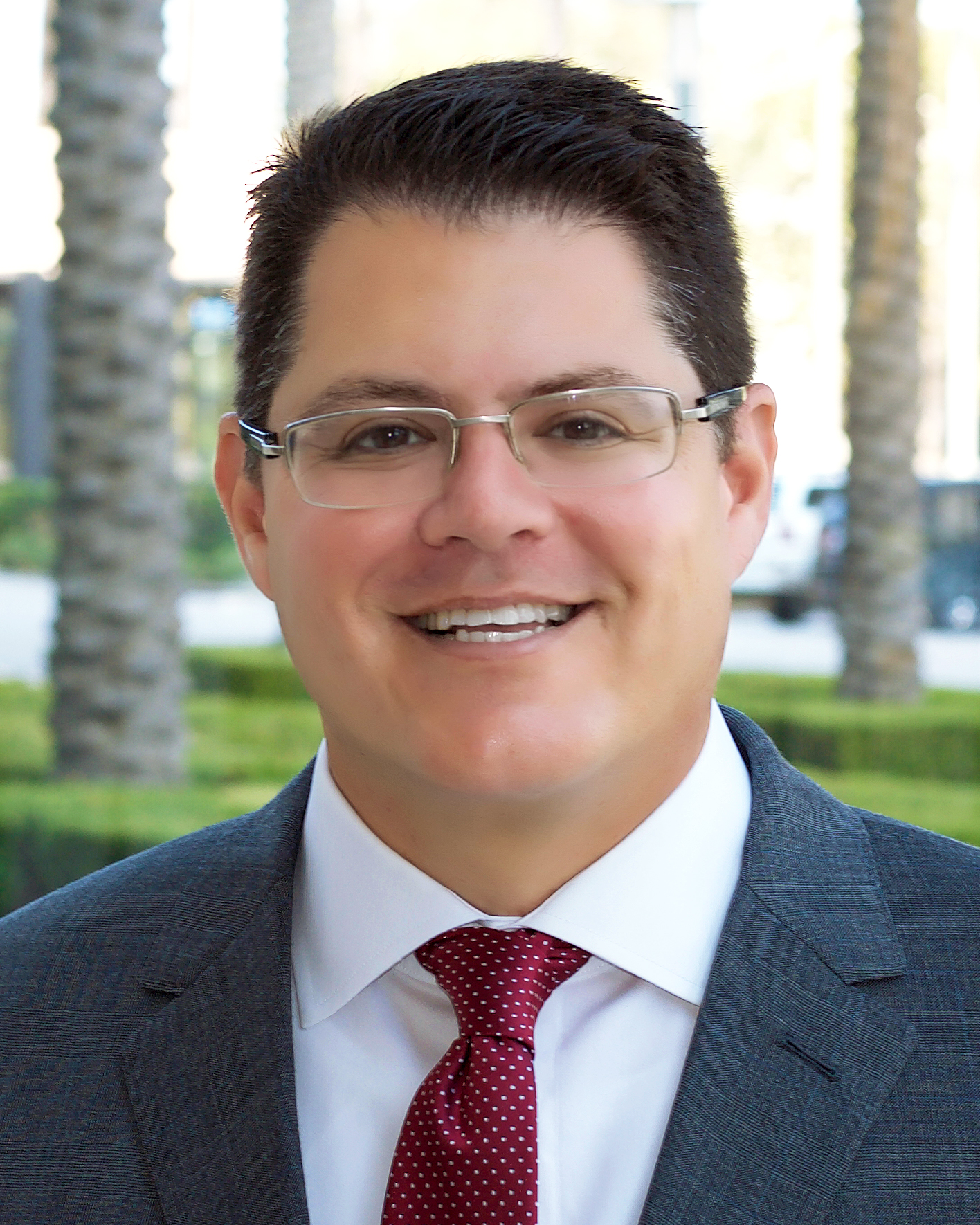
Lipinsky represents workers in all areas of employment litigation, including cases involving sexual harassment, disability and pregnancy discrimination, and race, age, sexual orientation and gender discrimination. He is expert in California Family Rights Act violations, wage and hour cases, retaliation, breach of contract and wrongful termination.
He is a politically active member of Consumer Attorneys of California, a plaintiff advocacy group, and serves on its board of governors. He is president of its Inland Empire chapter. His current effort involves passage in the California Legislature of SB 820, a bill banning secret settlements in sexual assault and harassment cases.
“[U.S. Supreme Court] Justice [Louis] Brandeis said, ‘Sunshine is the best disinfectant,’” Lipinsky noted, explaining how that view lines up with his approach to transparency in harassment cases and to SB 820’s potential influence. The bill has passed the Senate and is currently before the Assembly. Lipinsky believes its chances of passage and of winning Gov. Jerry Brown’s signature are good. “It’s hard to oppose this law without looking like you condone harassers,” he said.
In February testimony before the Senate Judiciary Committee and the Select Committee on Women, Work & Families, Lipinsky criticized secret settlements. “In my 20 years of practice, I have yet to settle a case, and I have done hundreds of these, where the private employer does not insist upon a secret settlement provision,” he told lawmakers.
Had the bill become law last year it would likely have eliminated the confidentiality of a settlement in one of Lipinsky’s wins: a $6.5 million settlement in a sexual harassment and invasion of privacy case in San Bernardino. Thirty-eight female workers at a manufacturing company, Lipinsky’s clients, sued their employer after they discovered a surveillance camera in the workplace restroom. They sought emotional distress damages plus punitives. The defendant alleged that the device was placed in the restroom by a co-worker without management’s knowledge, absolving the company of liability. Lipinsky argued that the offender was de facto a supervisor, subjecting the company to strict liability.
“The company was obsessed with surveillance of employees to prevent theft, and it deemphasized the privacy of its people,” Lipinsky said. After taking more than 60 depositions, the parties agreed to a two-day mediation that led to the big payout. “Very happy and relieved clients,” Lipinsky said. The plaintiffs received a range of sums depending on which shift they worked relative to when the surveillance was known to have occurred. “And all of them kept their jobs who wanted to stay.”
The outcome emphasized the importance of the pending legislation, he said. “If SB 820 were in effect, we could get into the factual details and the name, the company and the harasser would be out in the open.”
— John Roemer
For reprint rights or to order a copy of your photo:
Email
Jeremy_Ellis@dailyjournal.com
for prices.
Direct dial: 213-229-5424
Send a letter to the editor:
Email: letters@dailyjournal.com