


Jul. 18, 2018
Cliff M. Palefsky
See more on Cliff M. PalefskyLaw Offices of McGuinn, Hillsman & Palefsky


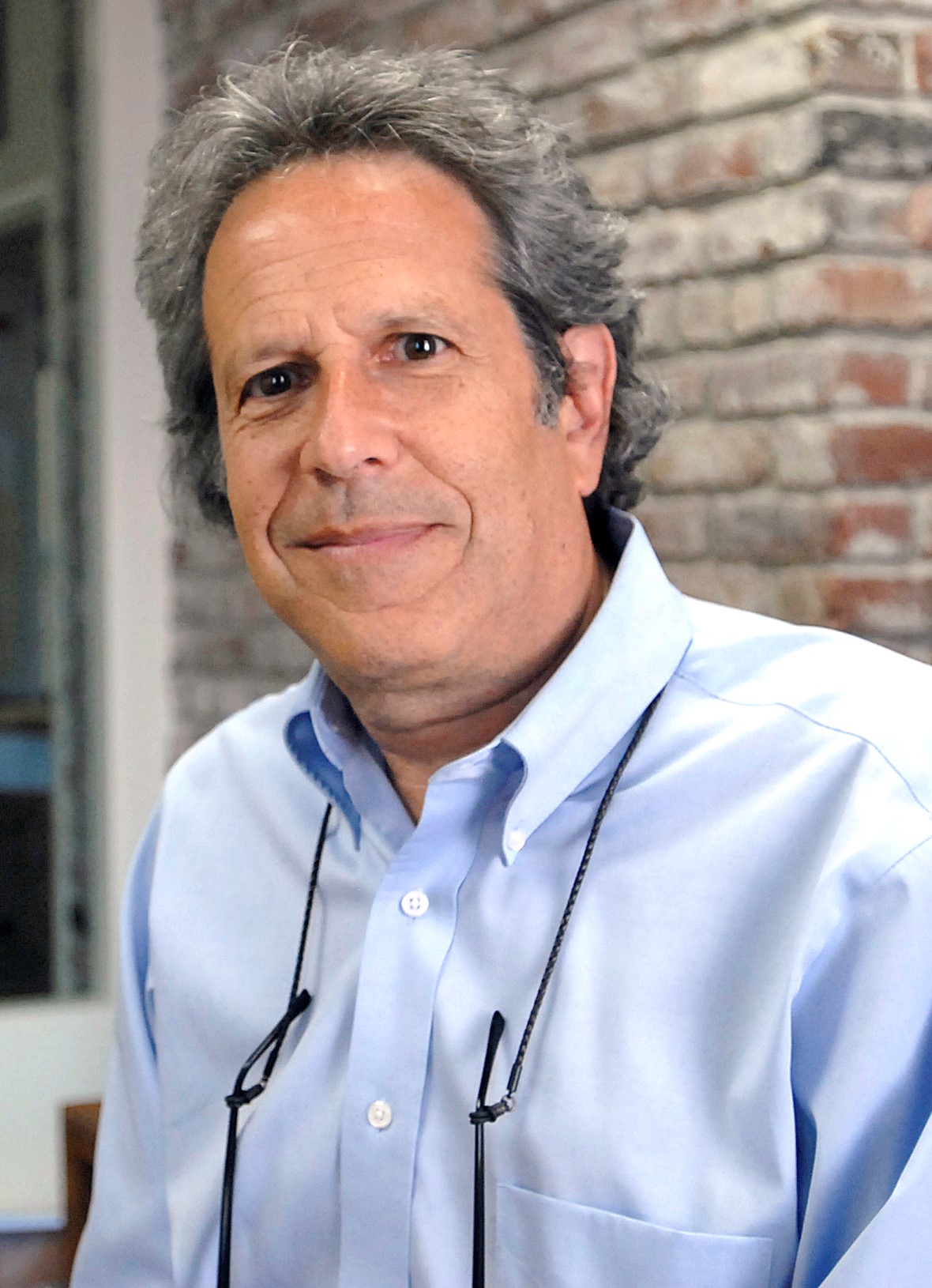
Mandatory binding arbitration in employment agreements has long been Palefsky’s target. “This is my 30th year fighting mandatory arbitration,” said the McGuinn, Hillsman & Palefsky name partner. “I love [alternative dispute resolution], but on a legal and moral level, making it mandatory is illegal, immoral and unconstitutional.”
So in what could be seen as a backhanded anniversary present, the U.S. Supreme Court in May presented his cause with a significant setback when it decided a trio of consolidated cases affirming the legitimacy of enforcing individualized employment arbitration agreements at the expense of collective claims.
“That was a heartbreaker. In effect it was the high court banning class actions in employment cases,” Palefsky said. “It is so wrong.”
He worked on an amicus brief filed with the court on behalf of 10 labor unions and the National Employment Lawyers Association and has been active in the cases for 11 years alongside Michael Rubin of Altshuler Berzon LLP, including at hearings before the National Labor Relations Board. All of it took place with no paying client. “We did it all for love,” Palefsky said, adding the outcome “was an intellectually and legally indefensible political assault on worker’s rights.” Epic Systems Corp. v. Lewis, 584 U.S. ___ (2018).
He’s not giving up, of course. “I got the wind knocked out of me, but they don’t call this a civil rights struggle for nothing,” Palefesky said.
He’s back with a novel approach — a bill before the California Legislature that blocks arbitration agreements before they make their way into contracts. “This doesn’t negate a contract that is signed, which is what the courts are concerned with. We can regulate the employer-employee relationship prior to the signing of any agreement.”
Palefsky has been to Sacramento, most recently in mid-June, to testify if favor of the bill, AB 3080. “We drafted it to avoid preemption,” he said. “It also forbids retaliation against anyone who refuses to arbitrate and it outlaws gag orders. That part grew out of the #MeToo movement.”
Paradoxically, Palefsky often finds himself in arbitration hearings. “It’s ironic given how I feel about mandatory arbitration,” he said.
In a recent case, whose details he declined to disclose, he represented a worker with a severance pay claim against a major insurance company.
“I fought their motion to compel arbitration, but we agreed to do it after the other side agreed to pay costs,” he said. “We won $1.2 million plus attorney fees. It was a great result, but I’m really doing this for truth and justice.”
— John Roemer
For reprint rights or to order a copy of your photo:
Email
Jeremy_Ellis@dailyjournal.com
for prices.
Direct dial: 213-229-5424
Send a letter to the editor:
Email: letters@dailyjournal.com