


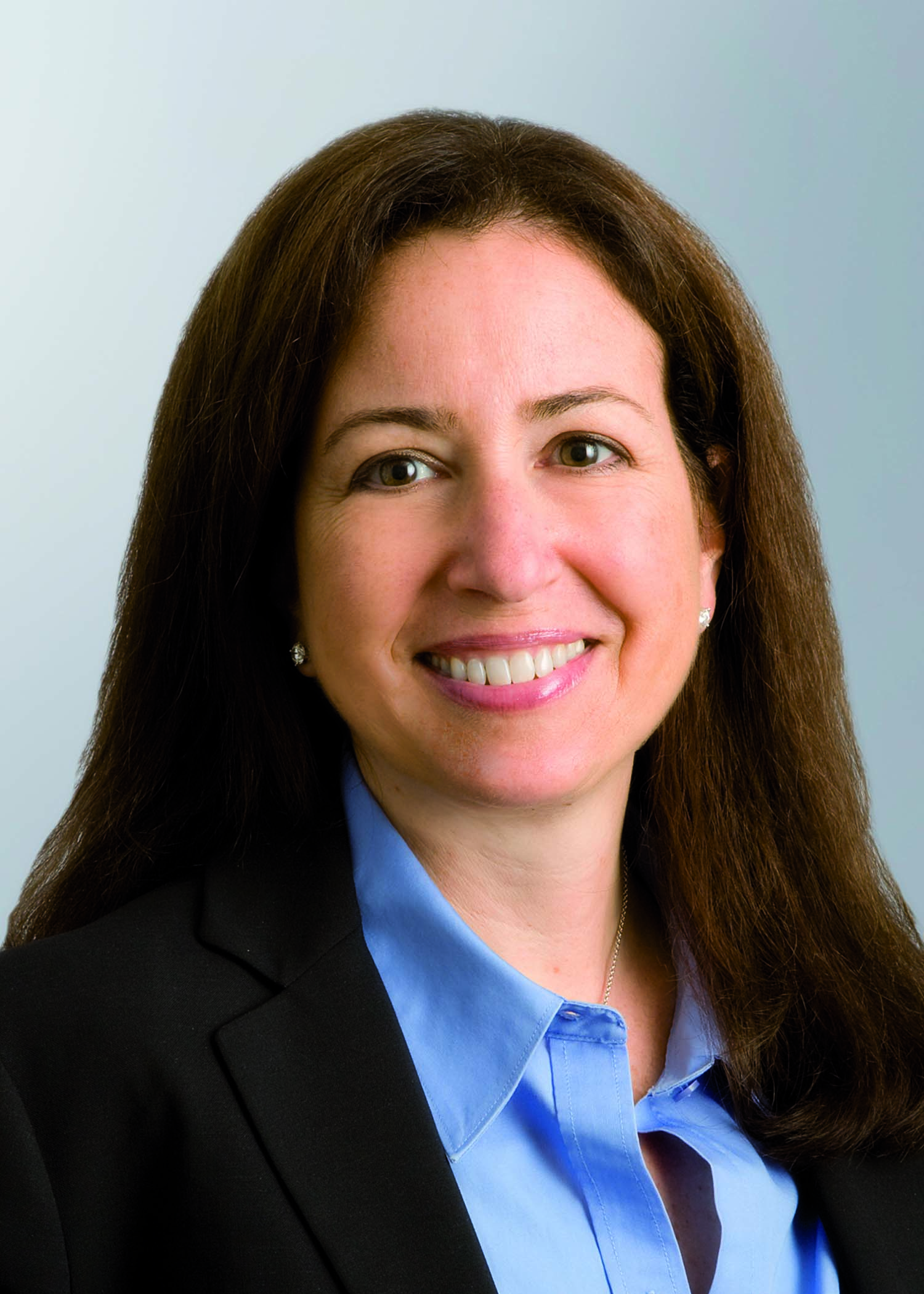
The music industry changed with the digitization of tunes being cranked out with computer equipment. This has led to more claims of infringement between artists.
“As a result of that, we have a lot more cases where people are claiming, You took these two digitized notes and put them in our song … it’s in your hook, it’s an infringement,’” Crawshaw-Sparks said.
She’s successfully represented artists Madonna, U2 and Lady Gaga in alleged infringement cases.
A big part of that effort is a shift in recent years among judges who are willing to listen to songs to determine if they sound alike in the first place, she said.
Ten years or so ago, judges tended to leave that decision up to jurors, Crawshaw-Sparks said.
“I think judges are willing to act as a gate keeper … I’ve had judges say no reasonable juror could say these two songs sound alike,” she said. “It’s better to find out now rather than make parties go through discovery and motions for summary judgment.”
Last year, Crawshaw-Sparks fended off a $31 million lawsuit against Lady Gaga alleging her “Born This Way” album cover infringed on works by French sculptor and artist Orlan. The court found that Orlan failed to show any essential characteristics of her works that were copied and the case was dismissed. The dismissal was upheld on appeal.
Crawshaw-Sparks won a motion for summary judgment in favor of another major client, Irish rock band U2. The lawsuit alleged the group’s 1991 song, The Fly, borrowed certain elements from a 1989 song called Nae Slappin by guitarist Paul Rose.
In most cases, she said she communicates directly with her famous clients rather than going through their management.
While fans clamor for a chance to see some of Crawshaw-Sparks’s clients on stage, she doesn’t want them to be seen before a judge.
“If I’m doing a good job, they don’t need to appear in the courtroom,” she said.
— Arin Mikailian
For reprint rights or to order a copy of your photo:
Email
Jeremy_Ellis@dailyjournal.com
for prices.
Direct dial: 213-229-5424
Send a letter to the editor:
Email: letters@dailyjournal.com