


Feb. 19, 2020
United States of America, ex rel. David Ji v. Pacific Chemical International Inc.
See more on United States of America, ex rel. David Ji v. Pacific Chemical International Inc.False Claims Act



False Claims Act
Central District
U.S. District Judge Michael W. Fitzgerald
Defense lawyers: Murphy Rosen LLP, Paul D. Murphy, Daniel N. Csillag; Liang Ly LLP, Jason L. Liang, John K. Ly
Plaintiffs' lawyers: Law Offices of Michael S. Magnuson, Michael S. Magnuson, Molly J. Magnuson
In a rare, perhaps never before seen trial victory, a business owner facing $33 million in damages and allegations he violated the federal False Claims Act by engaging in a smuggling scheme, invoked his Fifth Amendment right over 100 times on the witness stand and still received a full, unanimous defense verdict.
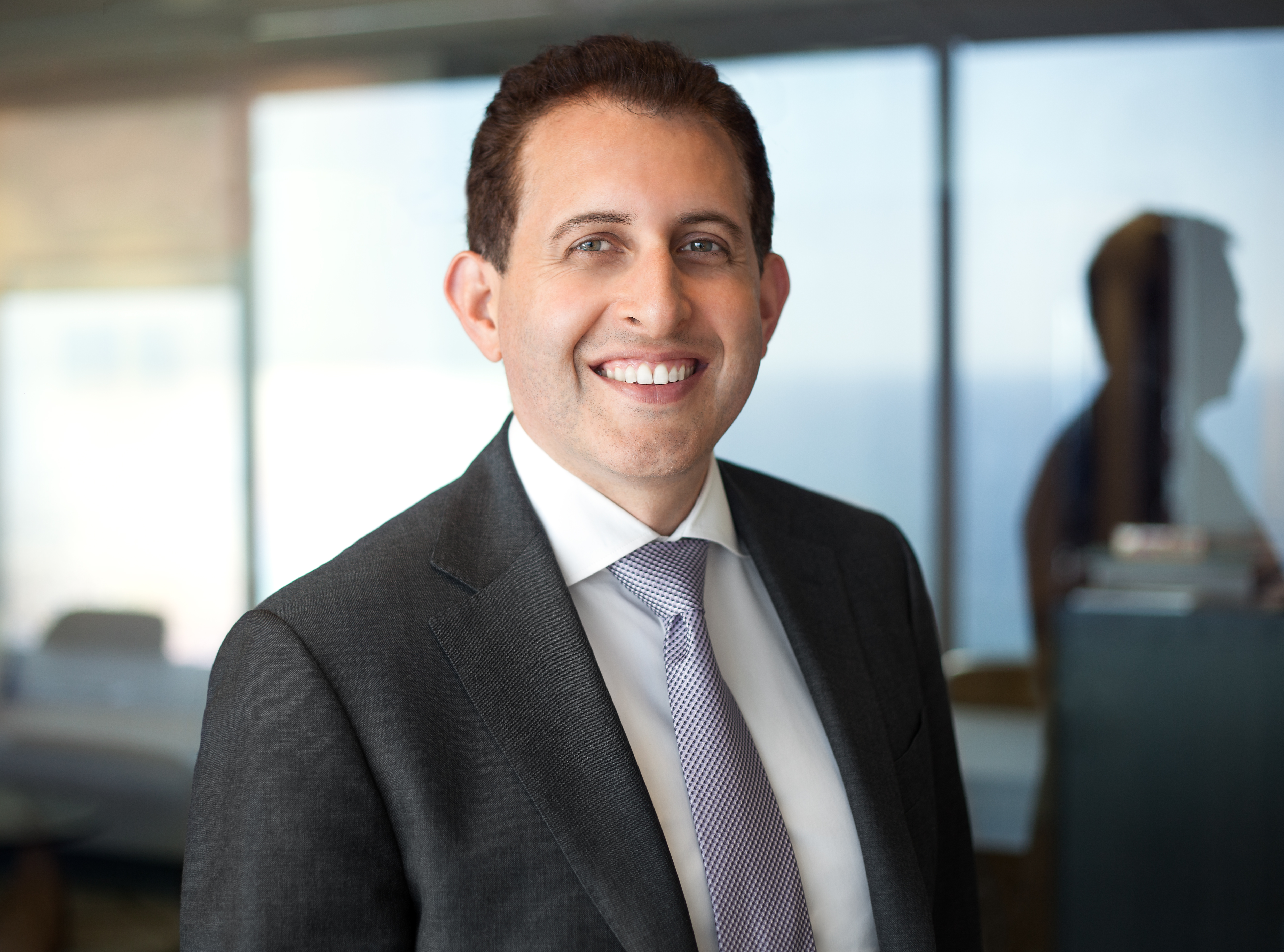
Lead counsel Paul D. Murphy and co-counsel Daniel N. Csillag of Murphy Rosen LLP represented the business owner. Jason Liang and John Ly of Liang Ly LLP represented the company and its vice president who also pled the Fifth.
The case included several unusual and unique elements. Not only was it brought under the False Claims Act -- with such cases rarely taken to trial -- but since the U.S. government declined to fight the case, the relator or whistleblower David Ji -- who had a felony record -- litigated the case with his own lawyers.
Ji claimed business owner Tony Hang and his company Unichem conspired to avoid paying $11 million in import duties by smuggling the food additive glycine into the U.S. as "other duty-free products." Under the False Claims Act's provisions, Ji sought treble damages of $33 million.
Ji, who had sued the defendant three times before, was pursuing the litigation out of revenge for the defendant leaving his company to start his own competing business, according to the defense team's in-trial arguments. U.S.A., ex rel. David Ji. v. Pacific Chemical International Inc. et al., 14-CV7203 (C.D. Cal., filed Sept. 15, 2014)
In anticipating a potential criminal investigation following the trial, the defendants were advised by criminal counsel to plead the Fifth, forcing the civil defense teams to adopt a defense strategy to accommodate this unavoidable challenge.
During the trial, U.S. District Judge Michael Fitzgerald informed the jury it was allowed to draw a negative inference from both the defense's invocation of the Fifth and from the relator's criminal record, setting up a battle of creditability.
The key to victory was putting their clients' flaws and the invocation of the Fifth front and center, rather than trying to minimize those facts, the defense team said.
"It was important to be able to go in front of the jurors and tell them, 'My client may have some flaws, but you know what he never did? He never lied,'" Murphy explained. "We wanted the jury to focus on him as a person and not on him as the invoker."
The defense teams prevailed despite having to prove their clients were not guilty of quasi-criminal charges by the plaintiff-friendly civil burden of proof of a preponderance of the evidence as opposed to beyond a reasonable doubt.
"This case is remarkable not just for the fact that someone was brave enough to go in front of a jury and assert their Fifth Amendment right and still prevail, after having done so over 100 times," Liang said. "But it's also remarkable we were able to apply a strategy used in a different type of arena where the burden of proof was significantly higher, and use it in a civil arena where the burden of proof is by preponderance and still see the jury carry out their function as the fact finder."
-- Blaise Scemama
For reprint rights or to order a copy of your photo:
Email
Jeremy_Ellis@dailyjournal.com
for prices.
Direct dial: 213-229-5424
Send a letter to the editor:
Email: letters@dailyjournal.com