


Gibson, Dunn & Crutcher LLP
Los Angeles
Patent, trade secrets litigation
In a typical two- to three-patent dispute, courts have an established framework for how litigation should proceed. But when it comes to standard-essential patent cases, sometimes involving tens of thousands of patents, courts still have room to evolve, Lo said.
As lead intellectual property partner overseeing patent work in a blockbuster antitrust and patent-related dispute between Apple Inc., Qualcomm Inc. and four contract manufacturers, Lo found himself confronting the unsettled waters of standard-essential patent and licensing litigation.
He said when working with patent portfolios of such magnitude, pragmatic and novel questions arise. For example, if a defendant is found to have infringed, how best would a live jury determine the amount owed when tens of thousands of patents are at issue?
"Do you do them in a representative manner? Are you supposed to do them one at a time? And what do you do, for example, when part of what is alleged to be licensed are not even United States patents but patents they may have applied for and gotten in other parts of the world?" he said.
As the trial began in a San Diego federal court in April 2019, a prime learning experience was about to unfold.
Qualcomm sued the manufacturers for breach of contract, and for allegedly unpaid royalties under their license agreements. The manufacturers counterclaimed, asserting Qualcomm violated the Sherman and Cartwright Acts and breached its FRAND licensing commitment for cellular standard-essential patents, and sought billions in damages for royalty overpayments extracted by Qualcomm.
Before opening arguments concluded, the companies reached a global settlement, resulting in a favorable outcome for Lo's clients, Foxconn, Pegatron, Wistron, and Compal. In re Qualcomm Litigation, 17-CV00108 (S.D. Cal., filed April 9, 2019).
"There's still a lot of evolution in how these disputes are being raised and fought, and I think we are going to see a rise in standard-essential patents because, on the one hand they can be very important, but on the other hand, they can be weaponized," Lo said. "These are going to be tricky questions that will continue to challenge the bar, our clients, and the judiciary in the coming years."
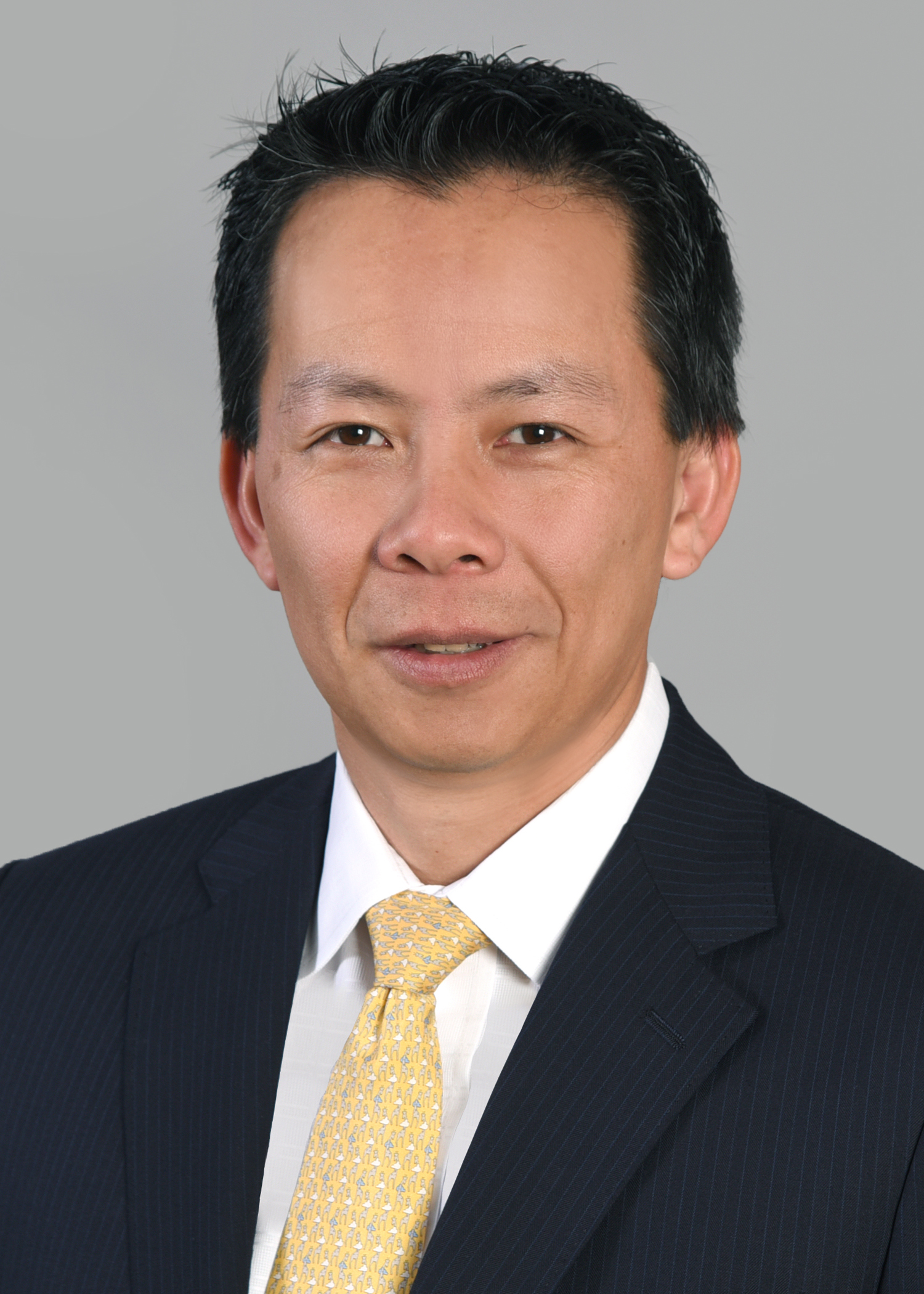
As a partner in the Los Angeles office of Gibson Dunn & Crutcher, Lo's practice focuses on patent and trade secrets litigation. He has successfully represented companies in various industries, including the video game, semiconductor, military defense, and pharmaceutical industries.
-- Blaise Scemama
For reprint rights or to order a copy of your photo:
Email
Jeremy_Ellis@dailyjournal.com
for prices.
Direct dial: 213-229-5424
Send a letter to the editor:
Email: letters@dailyjournal.com