


Farella Braun + Martel LLP
San Francisco
Patent, trade secrets litigation
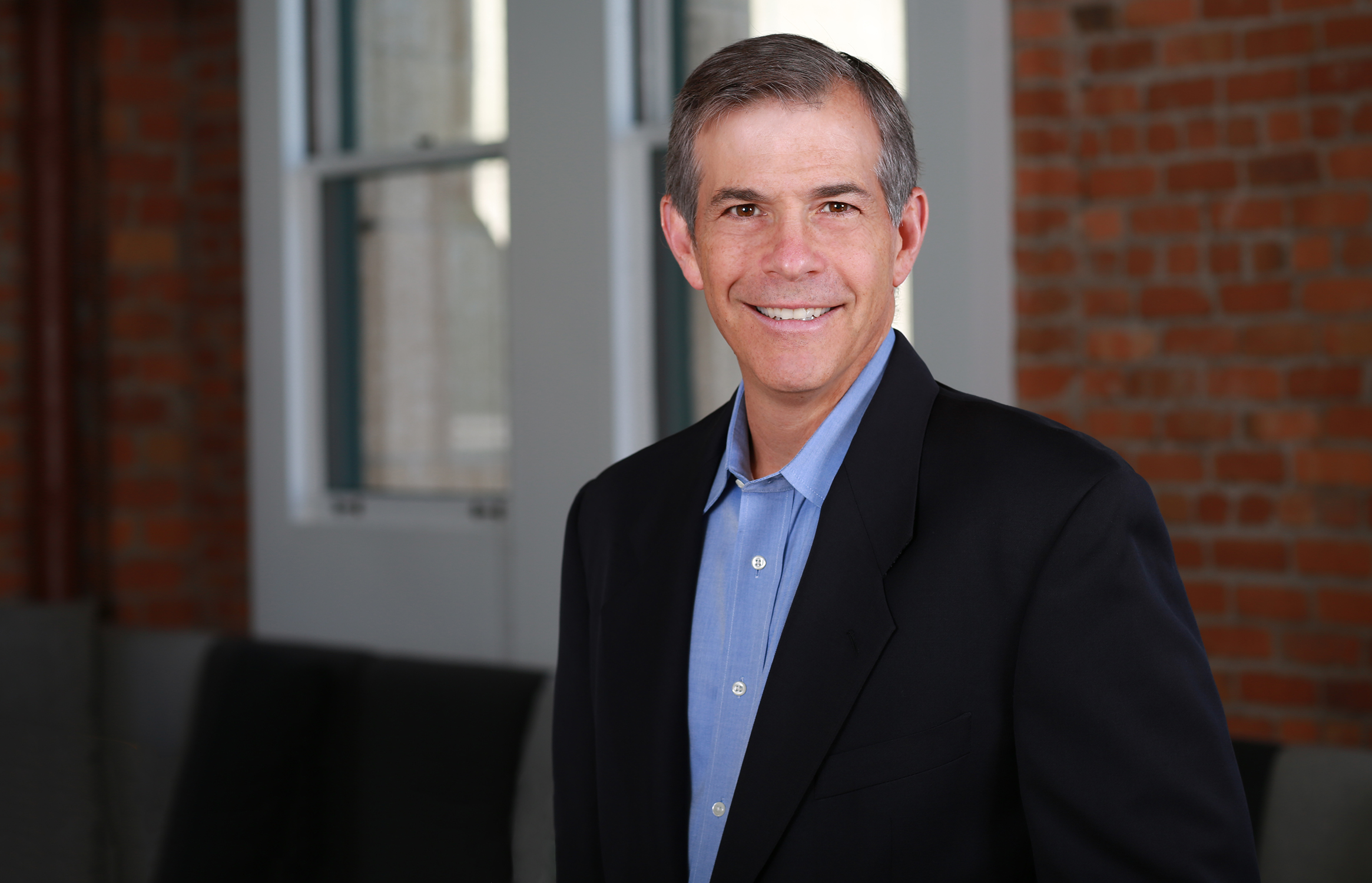
When Fisher starts a case, he wants to tell a story steeped in facts and evidence.
"It's got to be credible, first of all, so it's got to be borne out from the facts of the case and the background of the case," Fisher said. "You can't just make up a story that's going to get undercut by what actually happened."
The story he told jurors in a case representing Bladeroom Group Ltd. against Emerson Electric Co. led to a $77 million award for his client last year.
"We had a really powerful story, where the CEO of the company was the inventor of the technology, got up on the stand, explained his thought process and how he came up with the invention, why he came up with the invention, why it was so important and different from the way things had been done in the past in the data center industry and how successful it was," Fisher said.
BladeRoom alleged Emerson and Facebook Inc. stole trade secrets and intellectual property related to the construction of a $200 million data center in Sweden. BladeRoom settled confidentially with Facebook and proceeded to trial with Emerson. BladeRoom v. Facebook Inc. et al., 15-CV01370 (N.D. Cal., filed March 23, 2015).
Fisher's team showed that under the guise of acquiring BladeRoom, Emerson stole essential trade secrets his client spent decades researching and used them to build Facebook's data center. The jury voted in BladeRoom's favor after less than a day of deliberation.
"A lot of it came down to how the witnesses did on the stand. Bladeroom's witnesses came across as very, very credible," Fisher said. "We were able to impeach the Emerson witnesses dozens and dozens of times with inconsistent statements because they were, as we argued to the jury, trying to hide the facts from the jury as to what actually happened."
In a similarly short deliberation, Fisher defended San Jose tech startup CNEX Labs Inc. against telecommunication giant Huawei Technologies over allegations of trade secret misappropriation and breach of contract. CNEX's CEO worked for Huawei for two years before starting CNEX, Fisher said. Huawei sought more than $85 million in damages and the rights to the majority of CNEX's patent portfolio.
"What they were claiming were trade secrets actually were not trade secrets," Fisher said. "They were things that were either known in the public or the founder himself had been working on during the period of time before he came to Huawei."
Fisher also successfully argued Huawei stole CNEX's trade secrets, a counterclaim that came up during discovery. The jury returned a verdict by lunchtime the day after arguments concluded.
"In these two cases, the juries came back pretty quickly," Fisher said. "In both cases I think that was in part because of the compelling stories we were able to present the jury."
-- Nicole Tyau
For reprint rights or to order a copy of your photo:
Email
Jeremy_Ellis@dailyjournal.com
for prices.
Direct dial: 213-229-5424
Send a letter to the editor:
Email: letters@dailyjournal.com