


Health Care & Hospital Law
Mar. 30, 2020
King & Spalding helps health care providers navigate concerns with COVID-19
See more on King & Spalding helps health care providers navigate concerns with COVID-19Hospitals struggling to find the space and supplies they need to treat an anticipated influx of COVID-19 sufferers understandably have their sights set on the ground.


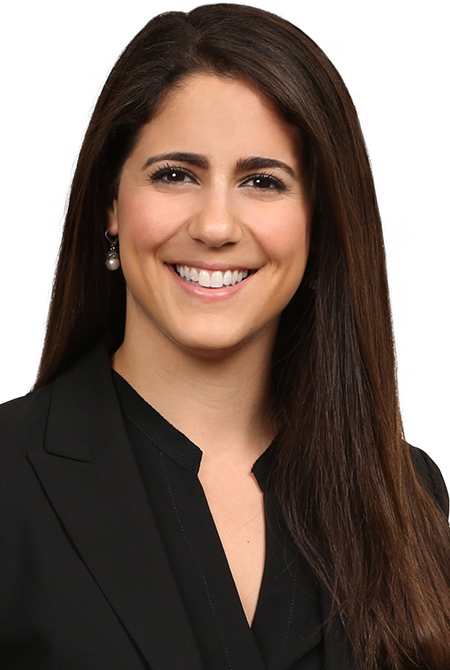
Hospitals struggling to find the space and supplies they need to treat an anticipated influx of COVID-19 sufferers understandably have their sights set on the ground. King & Spalding Senior Associate Jennifer Siegel said it's the attorney's job to keep an eye out for what's hitting them from above.
"With this crisis has come a change in some of the legal landscape," she explained. "And I think the firm has done a really remarkable job in reviewing legislative changes and analyzing and very quickly presenting them for the client."
She offered as an example President Donald J. Trump's decision to issue a declaration of national emergency on March 13. Siegel said once that went into effect -- coupled with a declaration from the U.S. Department of Health and Human Services enabling waivers under certain sections of the Social Security Act -- the firm moved quickly to decipher the immediate impact for their clients.
"Within 48 hours, we had a presentation where we addressed everything," Siegel said.
Along with other health care clients, Glenn Solomon, a health care partner at King & Spalding's Los Angeles office, said hospitals are working to figure out what should be delayed and what can be managed.
Attorneys can help them triage in the short-term. But most of the issues those health care visits were intended to fix won't go away on their own, and delays and cancellations can create discrepancies that might lead to disputes with insurance companies down the road if not properly managed. So attorneys have to be mindful of the long-term as well, Solomon said.
"If someone was scheduled for a knee surgery, their knees aren't going to suddenly get better once the quarantine ends," Solomon said. "In the meantime, spaces that would have been used for knee surgeries are being rededicated to things that are considered higher priority. There's going to be a big buildup of underpays from that."
Much of their current work aligns closely to traditional contract law, as they figure out what force majeures or other provisions might affect their overall coverage and damages. The added caveat, Solomon said, is calculating how the interruptions might impact their anticipated revenue from health insurance and government payers.

"There's also the fact that in the health care field, there also is income that comes from supplemental benefits paid down the line by the government," Solomon said.
Take California for example, he said. While half of the Medicaid payments health care providers get are paid close to the time the services are rendered, the other half come from supplemental benefits paid years later based on what services were rendered in the earlier time periods. "When the earlier time periods are interrupted it can cause damages to these supplemental sources of revenue Down the line."
Though difficult when dealing with a situation that changes day by day and sometimes hour by hour, the firm's advisory work is about making sure a client does its best to align with its own projections and avoid underpayment from insurers.
Already setting its sights on the long-term, Solomon said the firm's gearing up to act as a go-between for their clients, the insurance industry, and state and federal governments, once cash injections from the government start to flow in, and disputes over how they're parceled breaks out.
"That's the nature of the industry, and not just the health care industry," Solomon said. "Anytime you inject money into the economy, you'll have ripple effects and look back issues. That's the longer term."
With much of the world on lockdown today, the firm's presentations have gone entirely digital, with regular updates for clients coming in the forms of news blasts and webinars.
The firm itself has similarly had to adjust to suddenly remote work, according to Brian R. Michael, a partner with the firm's Los Angeles office and a trial lawyer focused on special matters and government investigations. The section of King & Spalding's website dedicated to news and insights related to Coronavirus is updated hourly, and the firm's so far issued more than 40 client alerts on key issues of concern.
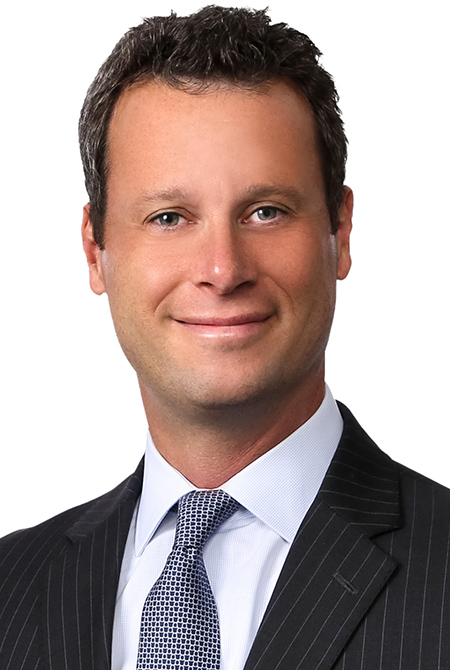
But Los Angeles partner Brian R. Michael notes those missives come along with personal communications tailored to each individual client, ensuring they know what they need to know.
"It's not just carpet bombing. There's a lot of individual outreach," said Michael, a trial lawyer focused on special matters and government investigations. "What we don't want to get lost in all this is the human aspect and the need for real empathy while we meet the business's needs and objectives."
Michael said the firm's been able to maintain that human aspect in spite of physical barriers largely thanks to the wonders of the modern age -- and video conferencing in particular. And as everyone hunkers down outside the office, he said it's also helped the firm keep close.
"It really helps everyone stay connected, both for work and continuity purposes," Michael explained.
Solomon said it's fun to see pets and kids strolling through past screens in the morning video conferences. The fact that technology's made that sort of connectivity possible has proved one of few reliefs under the crisis, he said.
"Ten years ago, you could not have made this work," Solomon said.
At least for the immediate future, the sense of community created by the crisis has allowed them to keep the focus fixed on helping health care providers combat the pandemic, Michael said.
"We have an exceptional group of staff," he explained. "In a moment like this, they have been working hard not just to serve clients, but to serve them as lawyers who have an understanding and empathy to what they're going through."
For reprint rights or to order a copy of your photo:
Email
Jeremy_Ellis@dailyjournal.com
for prices.
Direct dial: 213-229-5424
Send a letter to the editor:
Email: letters@dailyjournal.com