


Law Practice
Apr. 29, 2020
Fisher & Phillips warns businesses not to get sloppy about the usual labor and employment issues
See more on Fisher & Phillips warns businesses not to get sloppy about the usual labor and employment issuesAs employers start to worry about class action complaints over labor disputes, attorneys at Fisher & Phillips LLP are watching for individual wage-and-hour cases they say might end up being a bigger threat.



As employers start to worry about class action complaints over labor disputes, attorneys at Fisher & Phillips LLP are watching for individual wage-and-hour cases they say might end up being a bigger threat.
"We may well see just a plethora of hundreds of wage [and] hour labor cases being brought, ... which can be maybe even more expensive and a bigger challenge to the company than a class action," said Karl R. Lindegren, co-chair of the firm's California litigation practice group. "If you get hit with 1,000 Labor Board hearings, that could have a worse impact on you in terms of an expensive defense than ... a 10,000-person class."
Pre-litigation demand letters from employees, where individuals seek a more immediate settlement, could also contribute to higher numbers of individual employees bringing action, according to Kristen J. Nesbit, also a California litigation practice group co-chair.
"While we anticipate that there will be class action litigation, we do foresee that there is going to be a rise in individual claims," she explained, noting those could come through an administrative process such as the Division of Labor Standards Enforcement.
Wage and hour issues will always be the biggest labor and employment challenge in California, according to John M. Polson, a member of Fisher & Phillips' management committee and a partner in its Irvine office. He said it's also important not to forget about people who have been working remotely when thinking through potential risks for employers.

"One of the biggest challenges will be avoiding wage and hour claims by [employees working from home] who have become accustomed to working often on seven days a week and not keeping very tight schedules, not keeping great records of their schedules perhaps, and then them making wage and hour claims while they are still working remotely," Polson said.
As they try to advise clients about how to properly protect themselves from potential claims, the Fisher & Phillips' attorneys said one challenge has been how quickly information changes. Nesbit conceded one of the most honest things she can say to her clients is, "I don't know; I have to look into that."
"As employment lawyers, even though we were tasked with knowing the exact answer, if we're open and honest with our clients, it's okay for us to say, 'This is what we know now, but we're going to stay on top of this and let you know as things change,'" Nesbit said. "That's what we have our COVID-19 task force there to do, and that's why our website is dedicated 100% to COVID-19 updates at this time."
One consistent piece of advice they're giving clients is to document everything, whether it be the reasons a company might be laying off particular employees or why furloughs are occurring. Lindegren said he's walking clients through how to complete a reduction in workforce objectively and how to avoid possible claims of discrimination. For some employers, Lindegren said they're looking at this as an opportunity to get rid of under-performing employees they never dealt with before.
"They think it's a get out of jail free card," Lindegren said of some employers. "We're reminding our clients it's really not. You've still got the same discrimination issues that you had before."
Lindegren said he's advising clients to understand what's mission-critical for their businesses to continue. He said businesses should focus on retaining employees in areas that will keep the business alive now and those that will help it bounce back once the pandemic-related closures are over.
"Hopefully, the analysis will come back where it's objective, and it's not skewed by solely someone who's a poor performer or someone who gets under a certain supervisor's skin or someone who's complained a lot," Lindegren said. "[And] you can really focus on a business case as to why that particular position was eliminated."
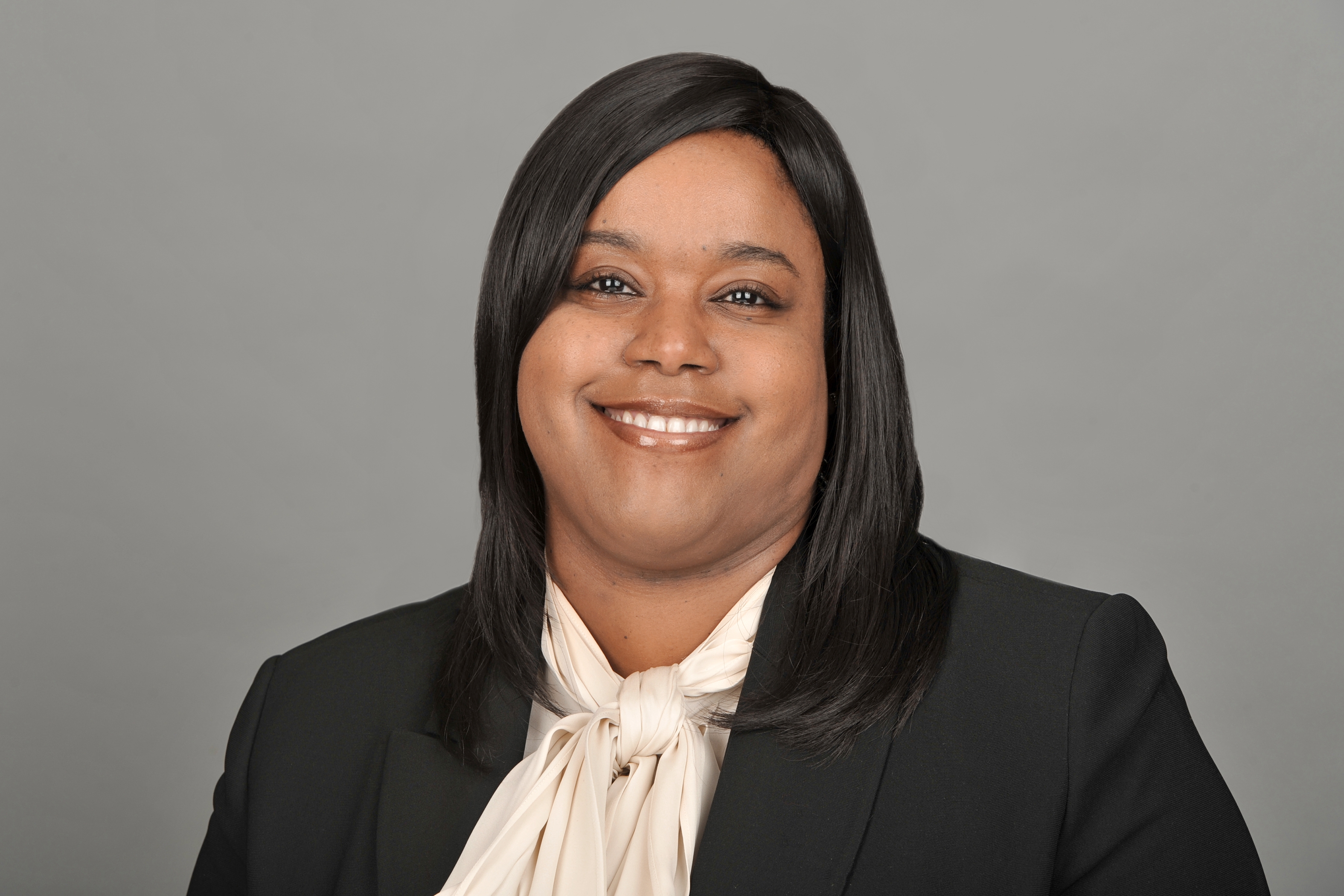
As for returning to work, the three attorneys said it's important to keep employee health in mind. One possible concern could be union organizing resulting from employees not feeling safe in the workplace, according to Nesbit, who said staying focused on employee health can prevent such reactions.
"It's imperative for any employer that feels that there could be a union organizing campaign on the rise ... to make sure that they have very good safety measures in place that [are] communicated to their employees," Nesbit said. "What I've heard from my clients is that employees have been really responsive to that."
Polson recognizes rules such as social distancing, taking employee temperatures and other safety measures will eventually be relaxed or disappear entirely, and he warns there could be cases resulting from someone who might afterward claim they've been put at risk.
"At the end of the day, the key is employers cannot be haphazard with this," Polson said. "They have to have a plan up front, covering all of these bases, and then follow the plan."
For reprint rights or to order a copy of your photo:
Email
Jeremy_Ellis@dailyjournal.com
for prices.
Direct dial: 213-229-5424
Send a letter to the editor:
Email: letters@dailyjournal.com