


Feb. 3, 2021
Kirkman et al. v. AMC Film Holdings et al.
See more on Kirkman et al. v. AMC Film Holdings et al.Breach of contract


Breach of contract
Los Angeles County
Superior Court Judge Daniel J. Buckley
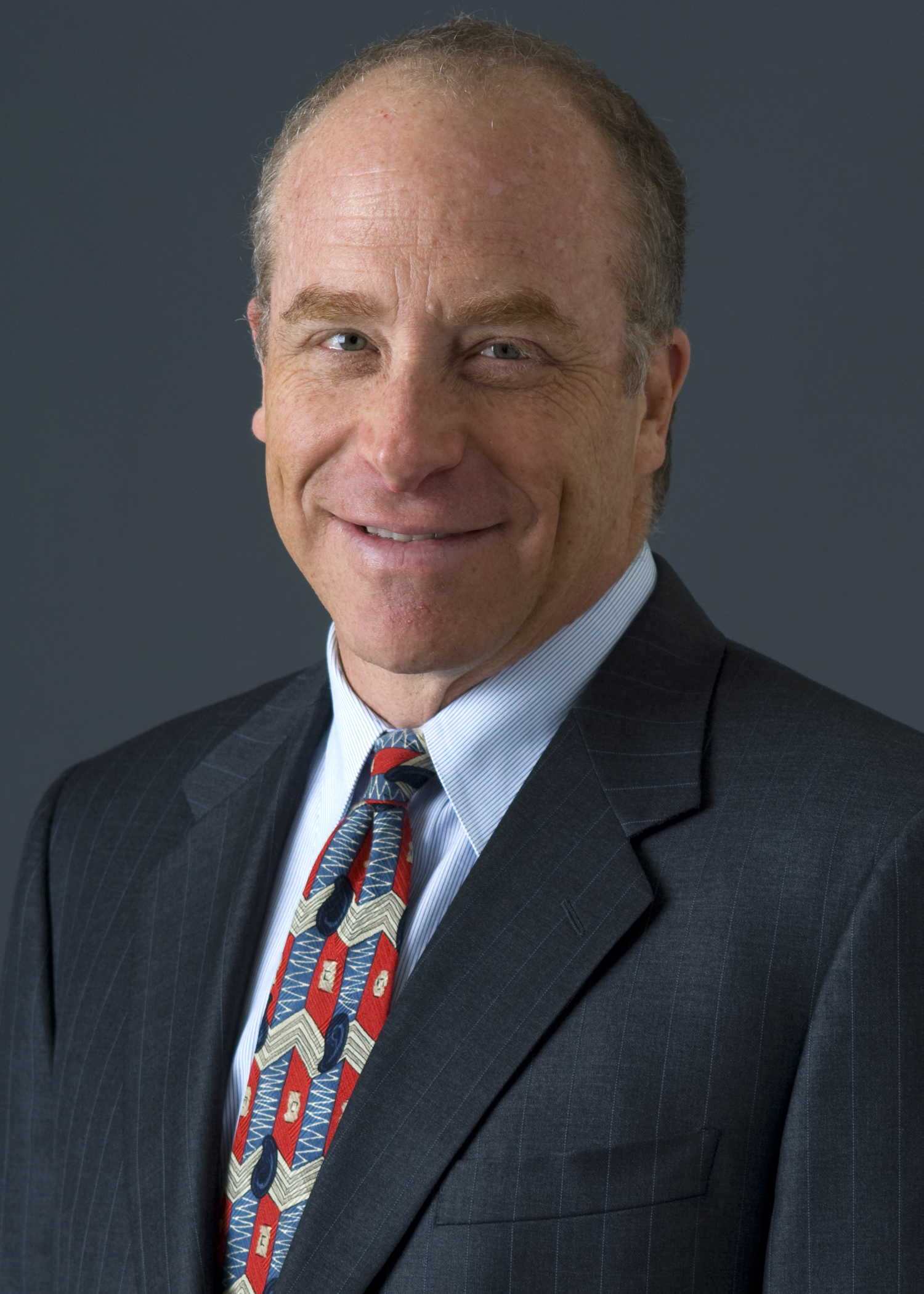
Defense Lawyers: Gibson, Dunn & Crutcher LLP, Orin Snyder, Scott A. Edelman, Ilissa Samplin, Brian C. Ascher
Plaintiff's Lawyers: Sullivan & Triggs LLP, Sheldon Eisenberg, Erin E. McCracken; Bird, Marella, Boxer, Wolpert, Nessim, Drooks, Lincenberg & Rhow, P.C., Ronald J. Nessim, Thomas V. Reichert, Fanxi Wang
July's ruling decision in Kirkman v. AMC Film Holdings made a big splash, partly because of the big-name players involved in the case and also because it took a different turn than other cases of its ilk.
In the entertainment industry, profit participants have long seen success when they sue to rewrite their contracts once a project they've worked on becomes an unexpected hit. Not this time.
Walking Dead creator Robert Kirkman and producers David Alpert and Gale Anne Hurd filed claims against AMC Networks in 2017, alleging the company improperly calculated the contingency-based compensation they were owed, per their contracts with AMC.
This type of compensation, which is also called "profit participation", is typically calculated as part of a show's profits. But AMC argued it accurately paid the plaintiffs according to the terms of their contracts.
Los Angeles County Superior Court Judge Daniel J. Buckley sided with AMC on all seven of the claims Kirkman and his colleagues raised. Kirkman et al. v. AMC Film Holdings LLC et al., BC672124 (Los Angeles County Sup. Ct., filed Aug. 14, 2017).
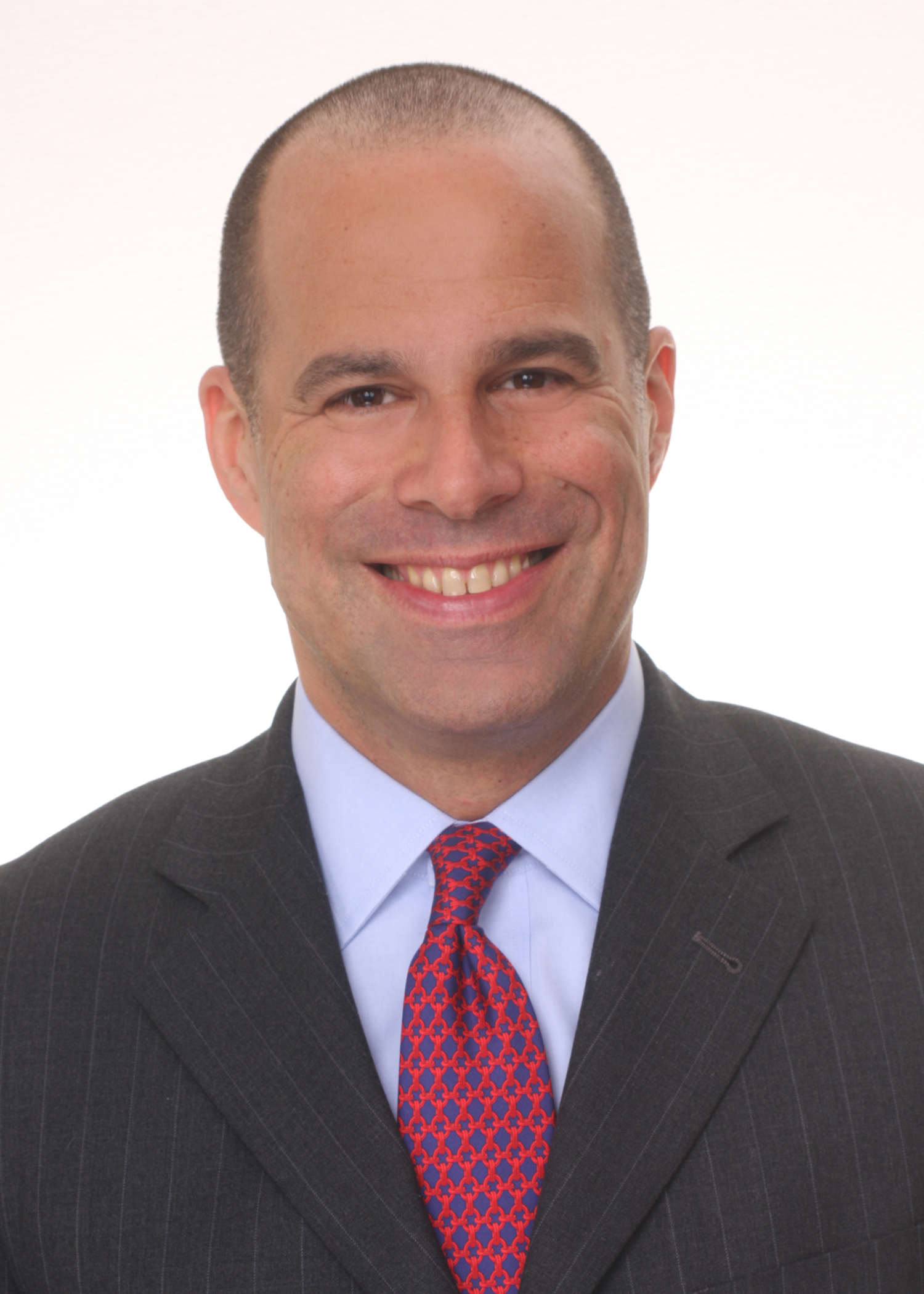
These types of claims are not uncommon in the entertainment industry, said Orin Snyder, a partner at Gibson, Dunn & Crutcher LLP who served as lead defense counsel on the case alongside Scott A. Edelman, a partner at the firm's Century City branch, Brian C. Ascher, a partner at the firm's New York branch, and Ilissa Samplin, a partner in the firm's Los Angeles office.
"In the entertainment industry, the lawyers and the agents often view signed contracts as the starting point for a negotiation," Snyder said.
Buckley's decision sent a "signal to the entertainment industry that a deal is a deal when it's signed. That shouldn't be necessary, to send that signal," Snyder added. "When they didn't get what they wanted, they used litigation to try to rewrite the contract in court, and the judge wouldn't allow them to do that."
Edelman said a critical part of his team's strategy was cross examining the plaintiff's transactional attorneys who brokered the contracts with AMC. Those attorneys were "forced to repeat on the stand about how they did in fact negotiate at the beginning the key terms that were important to them," he said.
Sheldon Eisenberg, a partner at Sullivan & Triggs LLP is currently representing the plaintiffs, having taken over the case from Ronald J. Nessim, principal at Bird, Marella, Boxer, Wolpert, Nessim, Drooks, Lincenberg & Rhow, P.C.
The case is currently ongoing, and litigation will continue around accounting claims.
Eisenberg provided an email statement from the plaintiffs.
"The Court rendered an interim decision in the matter on a matter of contract interpretation with which we respectfully disagree and which, if applied at trial, would have the effect of erroneously narrowing the scope of our claims," the statement read. "However, regardless of how that issue is ultimately resolved at trial or on appeal, we continue to have significant additional claims that AMC breached its agreements with our clients that we intend to present to a jury or the Court in the near future."
-- Jessica Mach
For reprint rights or to order a copy of your photo:
Email
Jeremy_Ellis@dailyjournal.com
for prices.
Direct dial: 213-229-5424
Send a letter to the editor:
Email: letters@dailyjournal.com