


Feb. 3, 2021
Montrose Chemical Corporation of California v. Superior Court of Los Angeles
See more on Montrose Chemical Corporation of California v. Superior Court of Los AngelesInsurance


insurance
California Supreme Court
Justice Leondra R. Kruger

Appellant's Lawyers: Latham & Watkins LLP, John M. Wilson, Brook B. Roberts, Drew T. Gardiner, Steven B. Lesan, John Niemeyer, Irene Fedoselenko, David Mulliken, Kristen Wilkes (The latter two have have now retired).
Appellee's Lawyers: Gibson, Dunn & Crutcher LLP, Theodore J. Boutrous Jr., Julian W. Poon, Jeremy S. Smith, Madeline McKenna; Duane Morris LLP, Max H. Stern, Jessica Erin LaLonde; Simpson Thacher & Bartlett LLP, Andrew T. Frankel, Peter R. Jordan, Chet A. Kronenberg; O'Melveny & Myers LLP, Richard Goetz; Berkes Crane Robinson & Seal LLP, Steven Crane; Craig & Winkelman LLP, Bruce H. Winkelman; Barbanel & Treuer PC, Alan H. Barbanel, Ilya Abram Kosten; Berkes Crane Robinson & Seal LLP, Steven M. Crane, Barbara S. Hodous; Lewis Brisbois Bisgaard & Smith LLP, Peter L. Garchie, James P. McDonald, Jordon E. Harriman; The Barber Law Group, Bryan Morgan Barber; McCurdy & Fuller LLP, Kevin G. McCurdy, Vanci Y. Fuller; Chamberlin & Keaster LLP, Kirk C. Chamberlin, Michael C. Denlinger; Selman Breithman LLP, Elizabeth M. Brockman; Tressler LLP, Linda Bondi Morrison, Charles R. Diaz, Yvonne Marie Schulte; Saiber LLC, Michael Balch; Hinshaw & Culbertson LLP, Thomas R. Beer; McCloskey Waring & Waisman LLP, Andrew R. McCloskey; Sinnott Puebla Campagne & Curet APLC, Randolph P. Sinnott, Mary E. Gregory, Kenneth H. Summer, Lindsey A. Morgan; Covington & Burling LLP, David B. Goodwin, Reynold L. Siemens; Charlston Revich & Wollitz LLP, Elizabeth M. Brockman
To achieve a landmark insurance law opinion, a team of Latham & Watkins LLP litigators persuaded the state Supreme Court to bring clarity to a long-contested coverage dispute: the insurance industry's practice of mandating the exhaustion of underlying policies before a policyholder can tap into excess coverage.
The decision reversed a trial court and an appellate panel and has had reverberations beyond its own fact pattern. Since it was decided, others have asked courts to extend its logic to the primary insurance arena. Montrose Chemical Corp. of California v. Superior Court, S244737 (Ca. S.Ct., op. filed April 6, 2020).
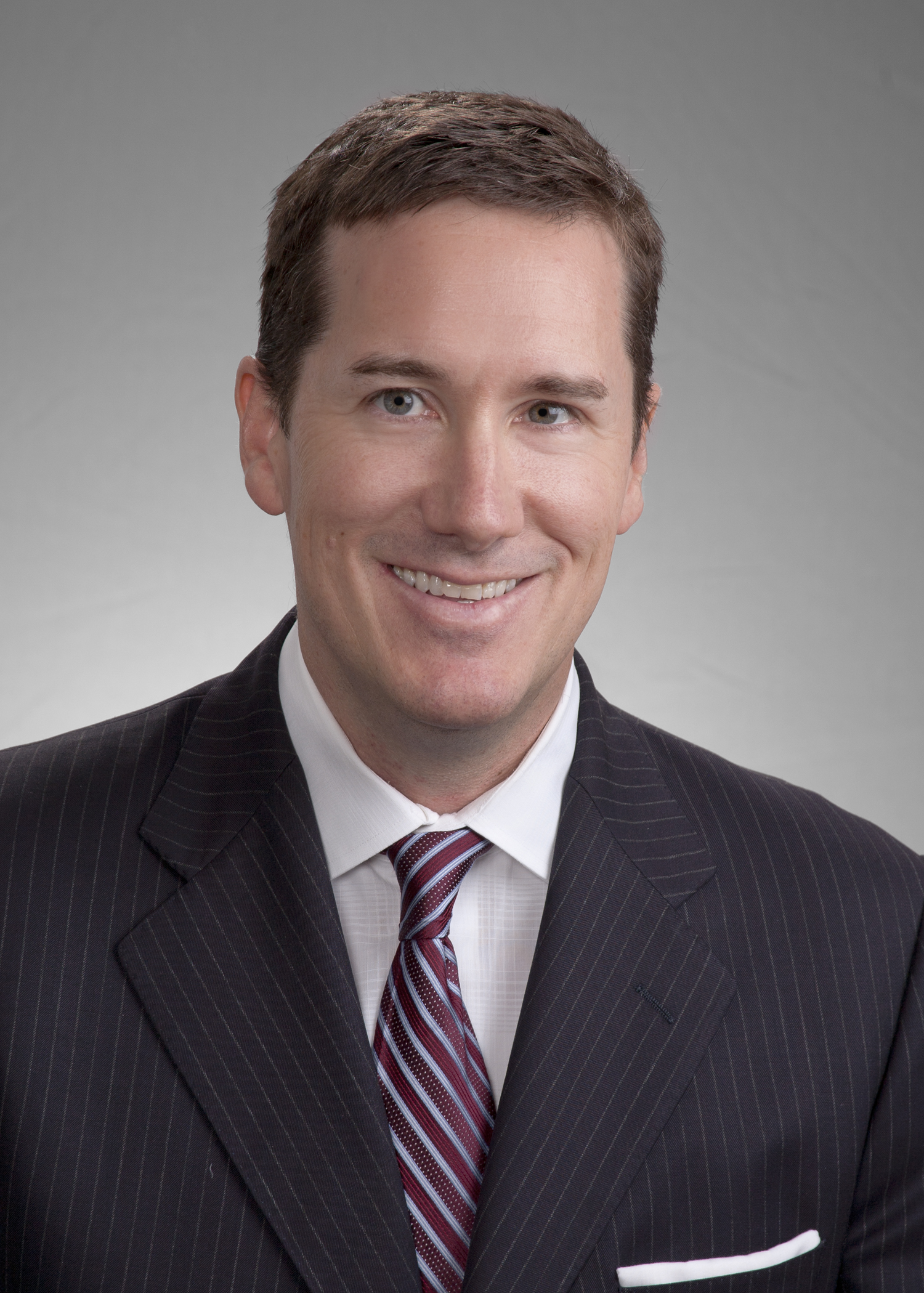
The team of Latham & Watkins lawyers that won the reversal--John M. Wilson, who argued before the high court, Brook B. Roberts and Drew T. Gardiner--has worked together for years. "It was an incredibly complex case with many moving parts," Roberts said. "The other side tried to make it as complex as they could, but John [Wilson] boiled it down while they tried to muddy it up. The result was a straightforward opinion from the court."
For the litigators' client, Montrose Chemical, the unanimous high court ruling released hundreds of millions of dollars from the insurance company defendants to help cover the more than $150 million in damages arising from environmental damage caused by Montrose's DDT-manufacturing operations in Torrance. Montrose's excess insurers had asserted they were not required to indemnify the liabilities until Montrose first "horizontally exhausted" all lower-lying policies. The Supreme Court sided with Montrose's interpretation: that a "vertical exhaustion" or "elective stacking" approach was valid, allowing a policyholder to choose any of its excess policies to cover losses if underlying policies have been depleted.
"The opinion has been used already" in other cases, Wilson said. "One issue we teed up was whether the issue of horizontal exhaustion made sense only in excess policies. The court discussed it, but we were careful not to go too far in what we were trying to do. Even so, right out of the gate, another policyholder ran to an appellate court with the argument that elective stacking should apply to primary policies as well. So the principle we established may very well apply more broadly, meaning there will be huge downstream ramifications."
Gibson, Dunn & Crutcher LLP, whose partner Theodore J. Boutrous Jr. argued the matter for the insurers, said it had no comment. Latham said that with the case now back in the trial court in Los Angeles, it is litigating other novel issues likely to further shape California insurance law.
-- John Roemer
For reprint rights or to order a copy of your photo:
Email
Jeremy_Ellis@dailyjournal.com
for prices.
Direct dial: 213-229-5424
Send a letter to the editor:
Email: letters@dailyjournal.com