


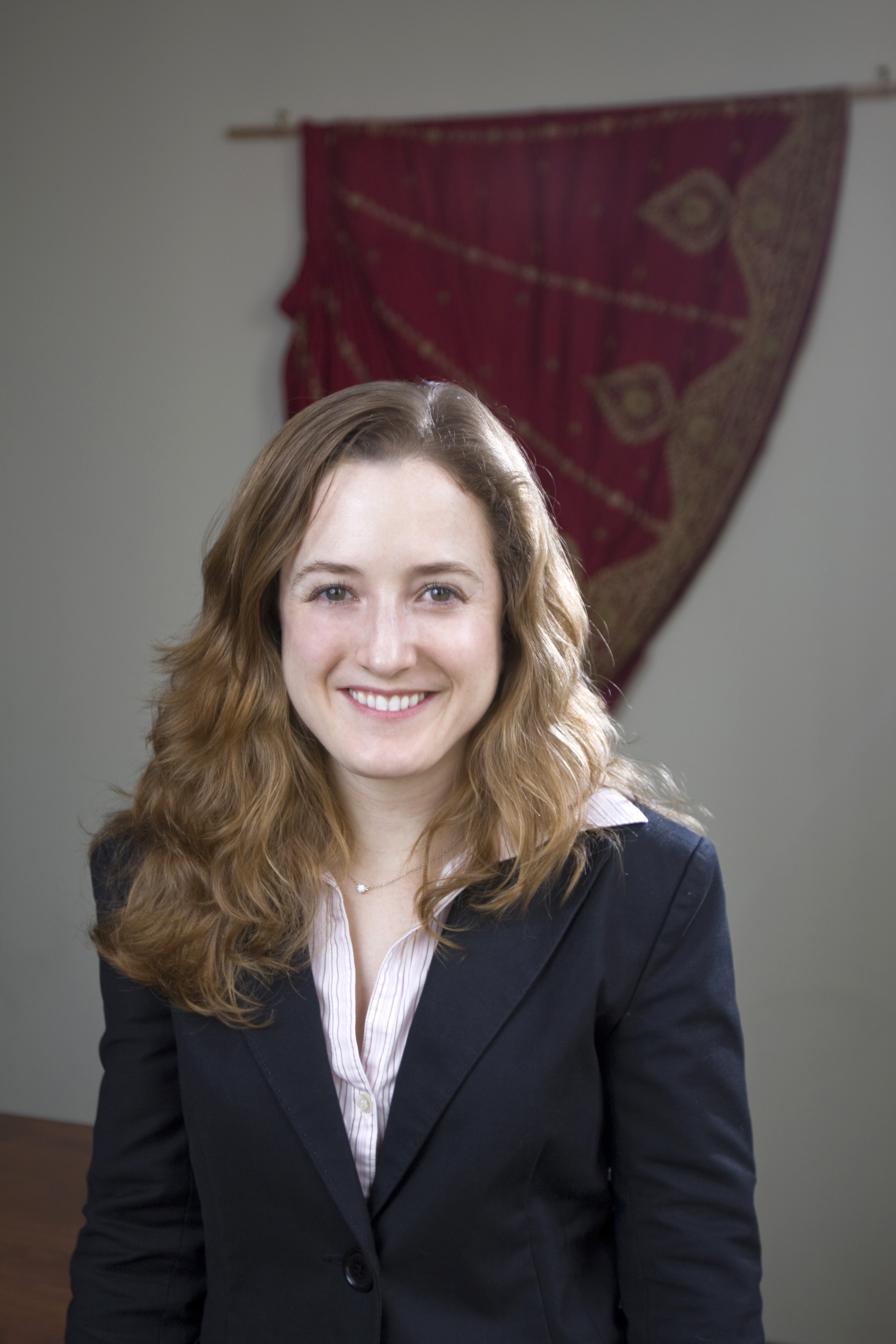
Telling a narrative that went overlooked in the trial court led to a far-reaching appellate victory for Ells last year.
When retired California Highway Patrol Officer Jay Brome alleged in a 2016 lawsuit that for nearly 20 years he had been subjected to homophobic discrimination from other officers because he is openly gay, the highway patrol ignored the merits of his claims and instead secured a summary judgment, dismissing them on statute of limitations grounds. His claims were never brought before a jury.
For Ells, the lack of attention to the substance of Brome’s claims, which included allegations he was routinely denied backup during dangerous traffic stops and high-speed pursuits, presented an opportunity to overturn the trial court on appeal.
“Jay had very compelling testimony from his deposition about how this all affected him and his ability to show up to do his job every day — a job that he loved and that he won awards for — but nonetheless was just persistently harassed on the job and left to feel that his life didn’t matter by his fellow officers,” Ells said.
Ells took Brome’s case to the 1st District Court of Appeal, where she detailed how he grew suicidal and eventually terminated his career because of how he was treated by his colleagues. Jay Brome v. California Highway Patrol, A154612 Cal.App.5th 786 (2020).
Ells described other examples of discrimination, such as when Brome’s superiors declined to hang his photo for an officer of the year award he received and instead kept the previous recipient’s photo hanging throughout the year.
“All we were seeking was the opportunity for Jay’s testimony to be heard by a jury,” she said. “And that’s where we are now.”
In a 16-page decision last January, the unanimous three-judge panel found there was evidence to show the highway patrol knowingly permitted Brome’s harassment and a reasonable jury could conclude his claims were timely. The case is set to go to trial on remand in August.
Ells said the decision signified the importance of the continuing violation doctrine, equitable tolling and constructive discharge.
“His case and his story have now translated into a very far-reaching appellate decision that’s going to help a lot of plaintiffs tell their case to a jury so the jury can decide,” Ells said.
— Tyler Pialet
For reprint rights or to order a copy of your photo:
Email
Jeremy_Ellis@dailyjournal.com
for prices.
Direct dial: 213-229-5424
Send a letter to the editor:
Email: letters@dailyjournal.com