


May 19, 2021
Gay Crosthwait Grunfeld
See more on Gay Crosthwait GrunfeldRosen Bien Galvan & Grunfeld


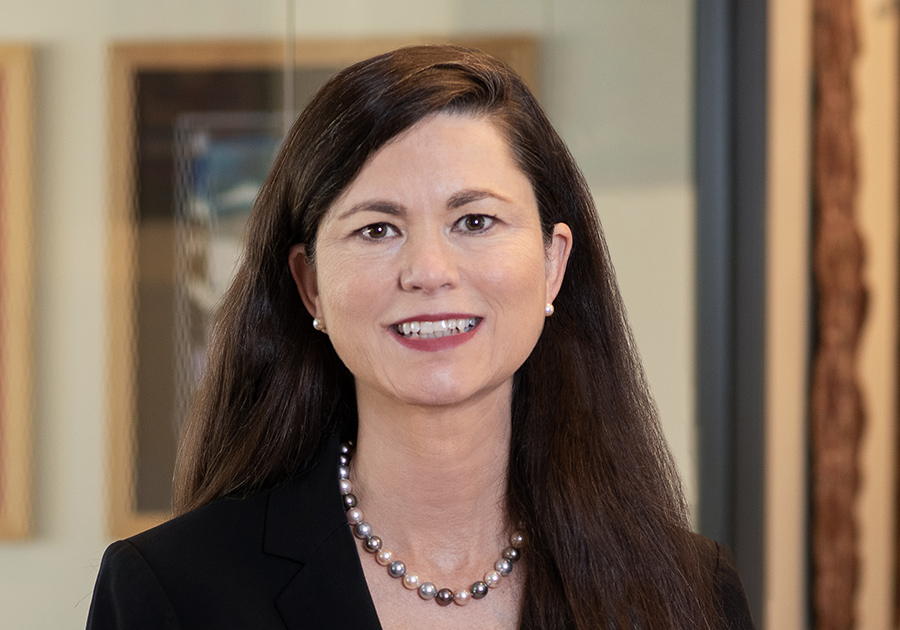
Nearly 200 disabled inmates at a state prison in San Diego, who described being thrown from wheelchairs and having bones broken by prison officials, have an extra pair of eyes watching over them thanks to Grunfeld’s advocacy.
Possibly thousands of others will soon reap that benefit as well.
Known for her involvement in the long-running Armstrong v. Newsom lawsuit that aims to improve conditions for disabled inmates in state prisons, Grunfeld secured a federal court order in the case in September, requiring corrections officers at Richard J. Donovan Correctional Facility to wear body cameras and to outfit the institution with surveillance technology.
Grunfeld obtained the order after submitting declarations for 179 disabled prisoners, who described being mistreated and abused by prison staff in violation of the Americans with Disabilities Act.
In March, U.S. District Judge Claudia Wilken expanded the order to apply at five additional state prisons. Grunfeld said the orders are significant because they will allow abuses of force to be documented in a way that can propel them into the public eye, much like the George Floyd case.
“There may be cell phone coverage, but it’s much less likely,” Grunfeld said. “So we need to have full coverage of all CDCR prisons, both with audio-visual and body-worn cameras to ensure that our clients are safe.”
She said she will push for similar orders at other prisons.
Despite the victory, the year of the pandemic was particularly tough for Grunfeld.
“It’s been so challenging to have literally hundreds of your clients die,” Grunfeld said.
In January, on the same day President Joe Biden illuminated the Lincoln Memorial’s reflecting pool in Washington, D.C. to honor Americans who died during the pandemic, Grunfeld joined her colleagues at the Prison Law Office and the American Civil Liberties Union for a virtual celebration of life for the clients they no longer have.
“We read the names, and for some, we gave short eulogies,” Grunfeld said. “We played a little music, and we just acknowledged this tragic loss of life.”
“Each of these individuals, incarcerated or free, has a story and a life that was lost to this terrible disease,” she added. “And it’s really important for advocates who work in the trenches on these issues to have opportunities to collectively share their grief and to become energized to continue working.”
— Tyler Pialet
For reprint rights or to order a copy of your photo:
Email
Jeremy_Ellis@dailyjournal.com
for prices.
Direct dial: 213-229-5424
Send a letter to the editor:
Email: letters@dailyjournal.com