


Apr. 20, 2022
Robert A. Jacobs
See more on Robert A. JacobsManatt, Phelps & Phillips LLP | Los Angeles


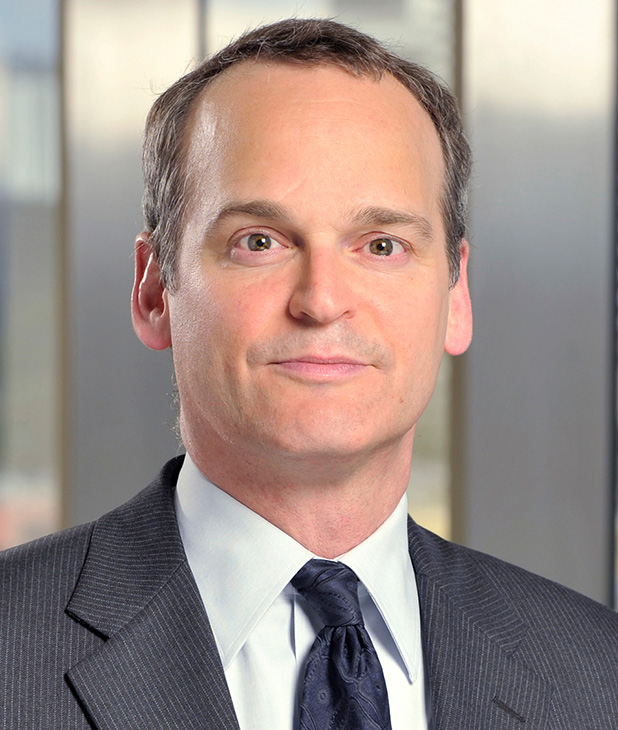
As the leader of Manatt’s entertainment litigation practice, Jacobs has handled cases lately dealing with sophisticated issues such as copyright recapture, quoting older music in a new recording and California’s Seven Year Rule. He’s also had matters involving a TikTok dancer and a couple of guys in llama suits.
One recent victory concerned what rights someone who makes a remix of a record has in the remix. The answer is none, according to Jacobs.
The plaintiff is a Russian DJ called Arty who claimed Marshmello’s record “Happier” improperly copied from his remix of the OneRepublic record “I Lived.” The problem with the lawsuit is that remixers are hired workers who are paid a flat fee. “The document he signed… made clear he had no ownership rights in anything he created,” said Jacobs, who represented Marshmello and others.
The trial court granted three summary judgment motions for Jacobs’ clients last April, and last month, the 9th Circuit affirmed. Stoliarov v. Marshmello Creative LLC, 2:19-cv-03934 (C.D. Cal, filed May 6, 2019).
Jacobs represents Roger Hodgson, the former lead singer and main songwriter for Supertramp, in two ongoing cases that raise an interesting issue he described as “very much in the inside-baseball world of copyright.”
In the 1970s and ’80s, Hodgson signed agreements to share songwriting royalties with his bandmates and to pay their manager a commission. But now, under newer provisions of the copyright act, creators after a period of time may terminate assignments and recapture full rights to their works.
The question is whether Hodgson can change his agreements with his band and manager.
Jacobs argues the agreements were based on the then-existing law, which has since changed. Under the new law, Hodgson was able to terminate those agreements and increase his ownership of the copyrights. Thomson v. Hodgson, 2:21-cv- 08124 (C.D. Cal., filed Oct. 12, 2021).
Jacobs settled a dispute between a client and a TikTok star before any litigation was filed. Keara Wilson created a dance called the Savage Challenge to Megan Thee Stallion’s song “Savage.” She objected when a music video for the song then copied her dance. The central question, he said, was whether her work was protectable. But generally the law says most dances can’t be copyrighted, according to Jacobs. “It was one of the more interesting matters I’ve had in a while,” he said.
Early in the pandemic, he settled another interesting matter, this one brought by a puppet studio that created a pair of wearable llama puppets for the band Fall Out Boy. The llamas’ creator believed the band was using the suits in ways he hadn’t licensed. Jacobs and his client countered that the band owned the llamas and needed no license.
“We settled,” he said. “I was looking forward to the depositions to learn about llama preparations, but so be it.”
– Don DeBenedictis
For reprint rights or to order a copy of your photo:
Email
Jeremy_Ellis@dailyjournal.com
for prices.
Direct dial: 213-229-5424
Send a letter to the editor:
Email: letters@dailyjournal.com