


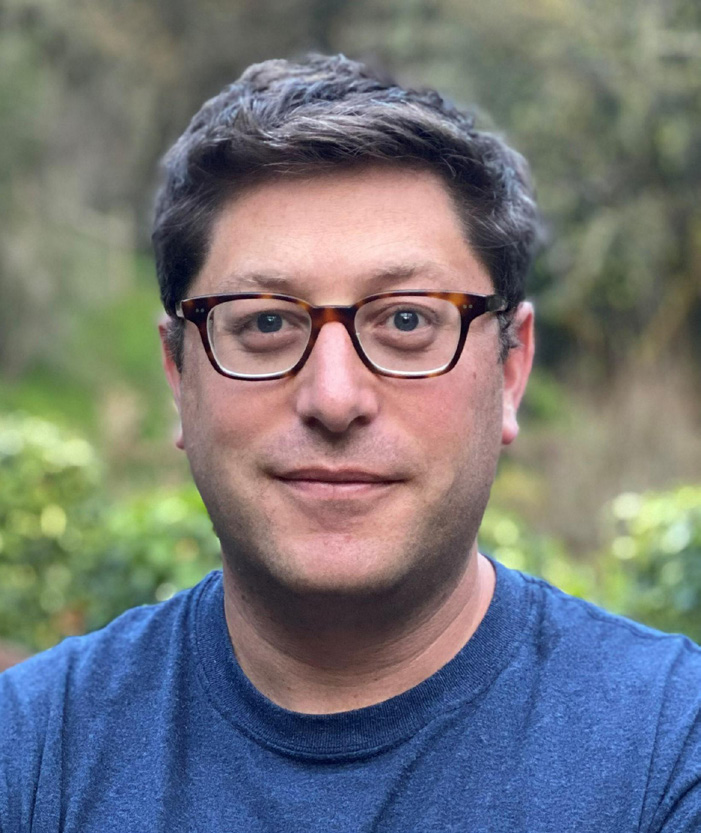
I n high-stakes copyright litigation, clients often turn for help to Andrew M. Gass of Latham & Watkins LLP. He’s been with the firm since 2010.
“It’s an amazing platform,” he said of Latham, “and we have some of the most interesting clients and cases in the world.”
His client list includes Apple Inc., Amazon.com, Inc., IMDb. com Inc., Spotify, Shopify Inc., Roblox Corp. and the Andy Warhol Foundation for the Visual Arts.
At the end of March 2022, the U.S. Supreme Court granted Gass’ petition for certiorari for the Warhol Foundation after the nonprofit suffered a setback at the 2nd U.S. Circuit Court of Appeals and selected Gass and his team to reverse its fortunes.
“There hasn’t been a non-software fair use case at the high court in almost 30 years,” Gass said. “This is exciting and challenging.” He expects argument will take place this fall.
In the case, a trial court judged that pop-art artist Warhol’s renditions of the musician Prince constituted “fair use” of the original Prince photograph by Lynn Goldsmith, who sued for copyright infringement; the 2nd Circuit reversed, holding the art infringed Goldsmith’s copyright. At issue is the meaning of the established standard that a work of art can be “transformative” for fair use purposes under the Copyright Act. Andy Warhol Foundation for the Visual Arts Inc. v. Goldsmith et al., 21-869 (S.Ct., cert granted March 28, 2022).
Gass said the 2d Circuit got it wrong when it concluded that even when a new work indisputably conveys a distinct meaning or message, it is not transformative if it “recognizably deriv[es] from, and retain[s] the essential elements of its source material.”
The 9th Circuit, other courts of appeal and the Supreme Court itself have held that “transformative” means a new work conveys a meaning or message that is different from its source material, Gass noted in his cert petition. He added that the 2d Circuit’s view is unworkable and will harm artistic expression.
And Gass contended that the 2d Circuit’s opinion conflicted with the high court’s 2021 conclusion that Google LLC’s use of Oracle America Inc.’s code was fair use because even though Google precisely copied a portion of Oracle’s computer program, it was transformative because it added something new and important by developing a new platform for the smartphone environment.
“Once again, the Court focused on whether the defendant used the original copyrighted work in the service of conveying a different meaning or message, not on the degree to which that work was altered,” Gass wrote.
“We got the Supreme Court’s attention,” Gass said, adding that he expects numerous friends of the court to line up on Warhol’s side. “We’re cautiously optimistic that the justices will agree with us.”
– John Roemer
For reprint rights or to order a copy of your photo:
Email
Jeremy_Ellis@dailyjournal.com
for prices.
Direct dial: 213-229-5424
Send a letter to the editor:
Email: letters@dailyjournal.com