


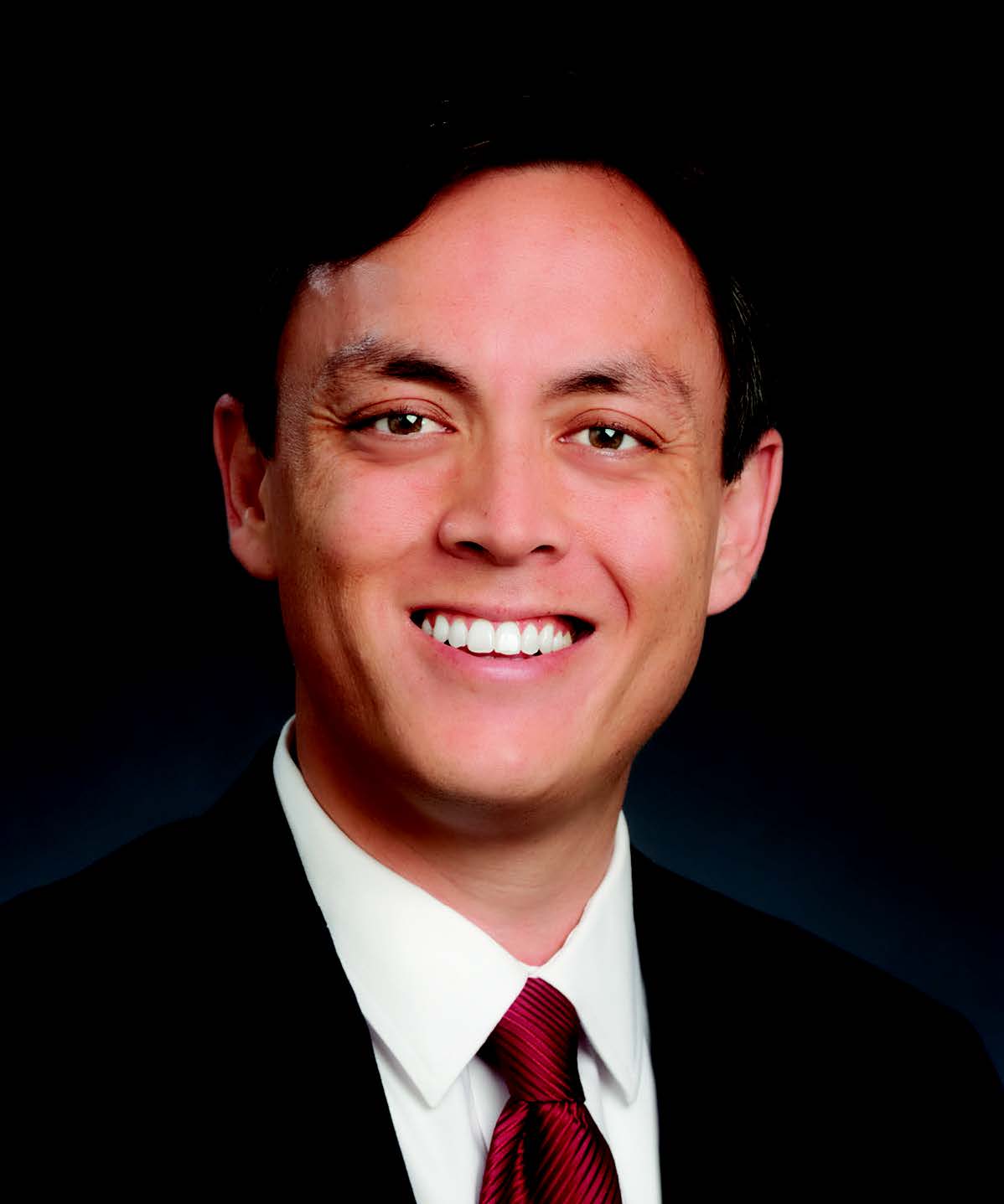
SAN FRANCISCO - As an integral part of Goodwin's life sciences team, a background in biotechnology has served Alexander Varond well throughout his career. He majored in biomedical engineering and management science at UC San Diego before earning his JD from George Washington University Law School in 2011. Varond joined Goodwin in 2017 and has gained extensive experience in drug development and FDA regulatory law.
"A lot of my work is what I would consider pure FDA regulatory, which is helping drugs and biotech companies get their biologics approved. That means digging into the science and regulatory issues that confront a company as they consider what molecules to advance into clinical trials," he said.
Co-chair of his firm's FDA litigation practice with his colleague Brian Burgess, Varond focuses on various areas of biologics like Hatch- Waxman and orphan drug regulation.
"What makes my practice special is that I focus on finding regulatory flexibility so that a company that would otherwise have to do a long, extended development program might be able to find ways to leverage FDA's flexibility to get to the market faster," said Varond, who moved his practice from Washington, D.C. to California last year. He describes his area of practice as "fairly niche" and says that it required a detailed and nuanced understanding of the FDA's policies and precedents.
"Lots of firms will look at how to get the drug approved or how to fight patent litigation, but I don't just help you get to market. I help you know what you will get once you get to market and how to protect that value. I think that encapsulates the approach of Goodwin's life sciences group."
Varond said Goodwin's life sciences team stands out from others because they strive to be at the intersection of innovation and capital. "By helping companies innovate and also creating access to capital in a smart, sophisticated way, that's where we think we can help our clients best," he said.
While Varond leaves the litigious side of the practice to his cochair, he spends his time reviewing the FDA's past decisions and precedents to gather as much insight into the case as possible, which helps to gauge what the agency might do going forward.
"It's one of these things where experience really matters because Goodwin has such a broad base of clients in this area," he said. "I pull out dozens and dozens of past cases when I come up with strategies, which is something that not a lot of other practitioners are able to do." Outside of the firm, Varond serves on the board of the Ogden C.A.R.E.S. Foundation, which is a patient advocacy group for families affected by Ogden syndrome. This extremely rare genetic disease affects less than 100 people worldwide.
Varond used his legal expertise to advise the foundation on the requirements for a 501(c)3 designation.
"I also helped with ultimately reviewing and submitting the application. I think it's still pending, but it was enough to allow us to apply for grant funding with the Zuckerburg Foundation, which was a huge milestone for us," he said. "Having that initial funding of $50,000 has given us a lot of credibility, and we recently received another grant of $50,000 from another foundation."
Looking forward, Varond hopes to leverage the new hybrid work environment to create a more fully fledged FDA regulatory practice on the West Coast.
"I want to be closer to clients out here so I can engage with them on a more frequent basis," he said. "Most of the FDA work has to be D.C.-based in order to go to the meetings and engage with the agency, but now that they are embracing a hybrid work schedule, there's a new ability to start a true regulatory practice out here."
For reprint rights or to order a copy of your photo:
Email
Jeremy_Ellis@dailyjournal.com
for prices.
Direct dial: 213-229-5424
Send a letter to the editor:
Email: letters@dailyjournal.com