


Feb. 15, 2023
California DUI Lawyers Association et al. v. California Department of Motor Vehicles et al.
See more on California DUI Lawyers Association et al. v. California Department of Motor Vehicles et al.Violation of Due process rights


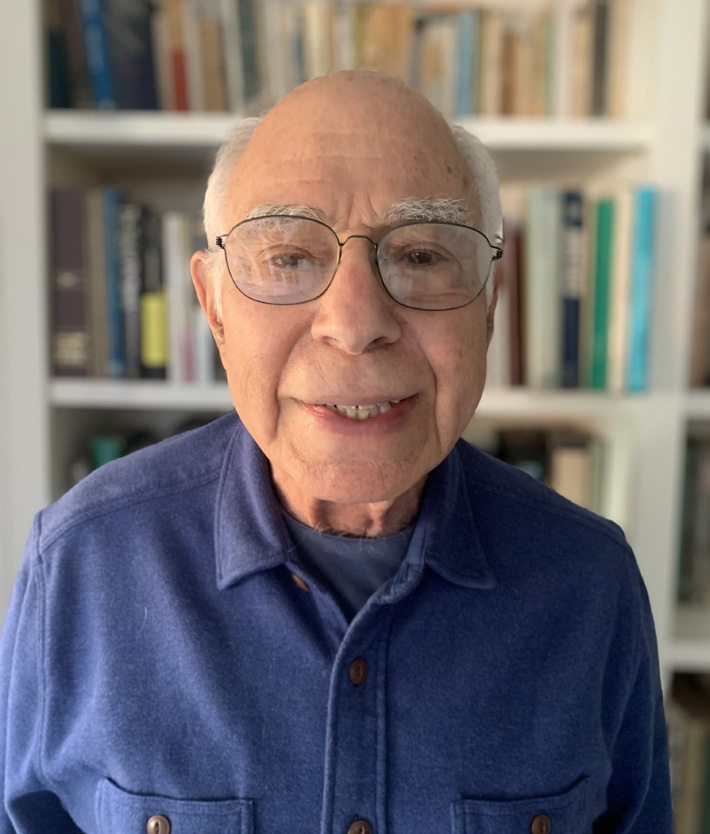
Case Name: California DUI Lawyers Association et al. v. California Department of Motor Vehicles et al.
Type of Case: Violation of Due process rights
Court: 2nd District Court of Appeal
Judge(s): Justice Brian S. Currey
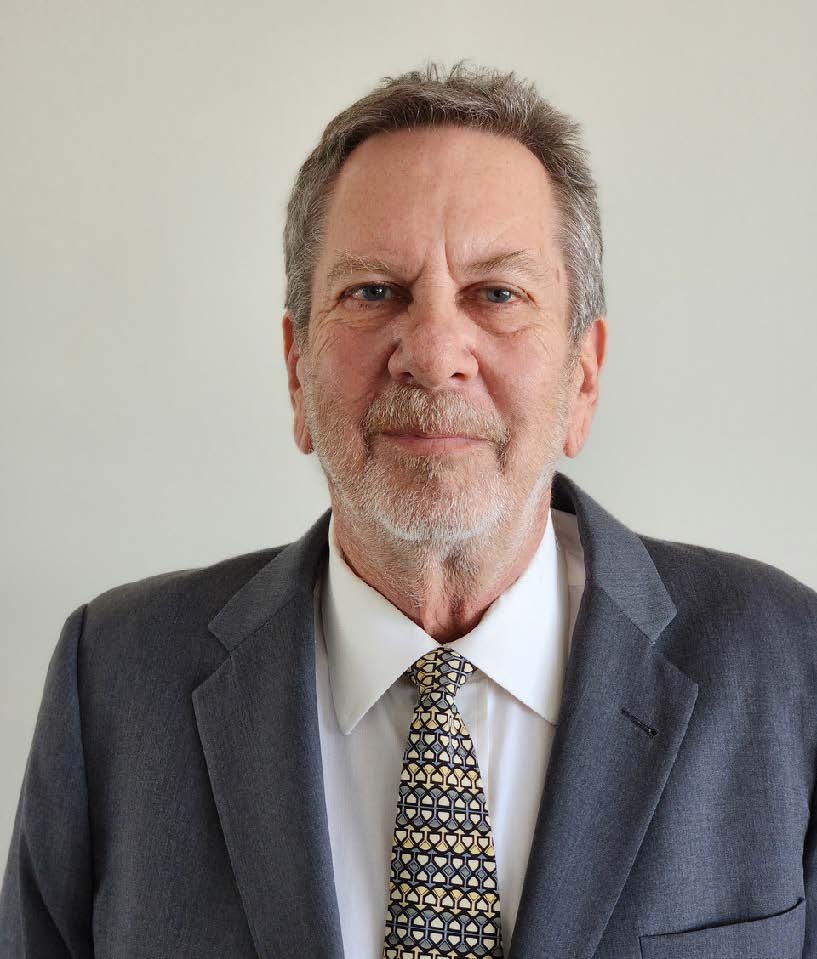
Appellant Lawyers: Law Offices of Robert S. Gerstein, Robert S. Gerstein; Law Offices of Joshua C. Needle, Joshua C. Needle; Carlton Fields, Ellyn S. Garofolo, Amir Kaltgrad
Appellee/Respondent Lawyers: California Department of Justice, Rob Bonta, Chris A. Knudsen, Assistant Attorney General, Gary S. Balekjian, Supervising Deputy Attorney General, Jacqueline H. Chern, Deputy Attorney General
"Combining the roles of advocate and adjudicator in a single person employed by the DMV violates due process under the Fourteenth Amendment and the California Constitution," Second District Court of Appeal Justice Brian S. Currey wrote.
To finalize the ruling a case that went through two appeals and three levels of trial court proceedings, in favor of the plaintiff California DUI Lawyers Association (CDLA), Justice Brian S. Currey ruled that people accused of driving under the influence -- who pursued to not have their licenses suspended while awaiting a court date -- would no longer have to face hearing officers that act as both adjudicator and advocate for the Department of Motor Vehicles (DMV).
"This case establishes that administrative hearing officers must be neutral," Robert S. Gerstein, Law Offices of Robert S. Gerstein, said. "You cannot be neutral if you are an advocate. An advocate, by definition, is partisan; for one side or the other." Additionally, Gerstein also stated that "until now, [the people awaiting DUI trial] have had to go before a judge who was also the lawyer for the DMV, against them. It's hard to imagine any system of adjudication that's more unfair. Now that's going to change."
Originally, after drivers were arrested for driving under the influence, the DMV would conduct administrative hearings that mandated hearing officers to act as both DMV advocates and adjudicators. This caused members of the CDLA to sue the DMV, alleging several causes of action, including violation of due process.
The case went through numerous proceedings at the appellate level. The CDLA argued drivers' licenses could not be suspended without due process, and the combination of advocate and adjudication roles in a single DMV employee violated required due process protections.
The DMV argued that the CDLA failed to submit foundational evidence, in connection with the hearings, for finding bias and prejudice with respect to its hearing officers' decisions -- which the CDLA appealed.
After further analysis, reversed in part with instructions, it was found that where the advocacy and decision-making roles were combined in one individual, actual bias wasn't necessary to show a violation of due process rights; it rather created an unacceptable risk of bias.
The ruling affirmed in part and reversed in part the judgment of Superior Court Judge Holly F. Fujie in Los Angeles County, who was found by the justices to have made an error when she granted the DMV summary adjudication on the issue of whether a hearing officer's dual roles violated drivers' due process rights.
Per the ruling, because Vehicle Code Section 14112(b) supposedly allowed for the hearing officer to be both an advocate and adjudicator, the Court found the DMV's practices to be unconstitutional to the extent that it permitted the DMV to combine the advocacy and adjudicatory roles into one hearing officer, violating due process.
The justices ruled: "on remand, Fujie shall vacate the order denying both parties' motions for summary judgment and issue a new order granting summary judgment in favor of the plaintiffs."
"We, theoretically at least, changed the fundamental nature of these administrative suspension hearings," said Joshua C. Needle, Law Offices of Joshua C. Needle. "For the first time in decades, out of the thousands of hearings like this per year, we were able to apply some fundamental fairness. The ruling we reached is final and applicable statewide. It is now up to the DUI lawyers, who represent the individuals in these situations, to enforce the meaning of our case."
In regards to the future, Gerstein clarified that the hearing officers can still be actively engaged in the presentation of the evidence and the development of the case. "The major thing that this says is, is that they can't really do that with the understanding that they are advocates for the department. Practical changes have to be made in terms of the conduct of the hearings and the hearing officers in order to ensure that there is that change in mindset, which is the difference between looking at things as a neutral and looking at things as an advocate for one side."
--Devon Belcher
For reprint rights or to order a copy of your photo:
Email
Jeremy_Ellis@dailyjournal.com
for prices.
Direct dial: 213-229-5424
Send a letter to the editor:
Email: letters@dailyjournal.com