


Apr. 12, 2023
Taking down corruption at L.A. City Hall
See more on Taking down corruption at L.A. City HallUnited States v. Jose Huizar, et al.


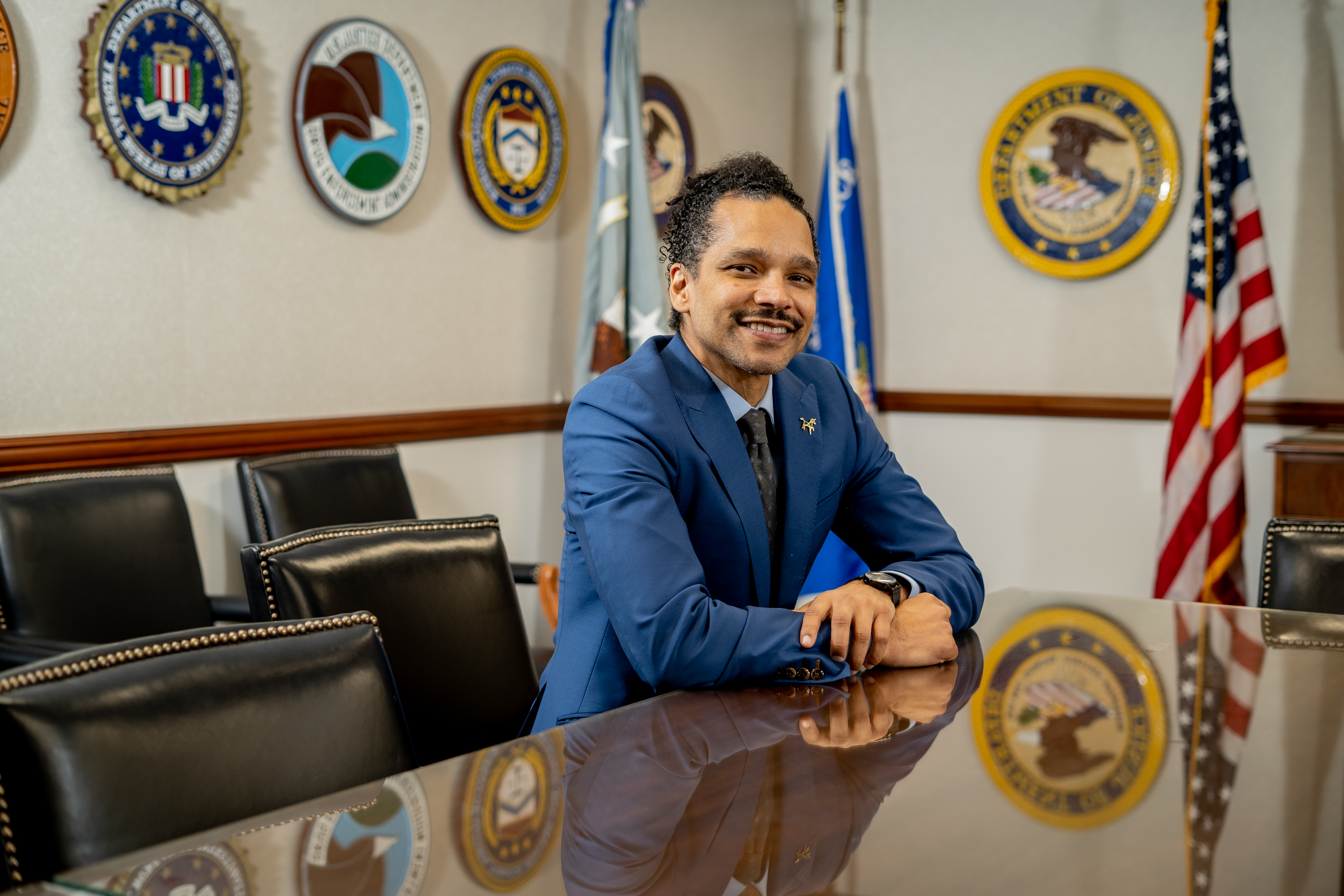
One of the largest public corruption prosecutions in the Central District began in 2015 when Jose Huizar, then a member of the L.A. City Council refused a Las Vegas casino's request that he sign a "politically exposed person" form indicating he was not gambling with public funds. Instead, he walked out, leaving nearly $18,000 in chips on the table.
The casino informed the FBI of the incident and noted that Huizar regularly gambled with Chinese billionaire real estate developer Wei Huang, owner of large L.A. hotels and other properties. "That significantly piqued our investigative interest," said Mack E. Jenkins, then the head of the U.S. attorney's office public corruption and civil rights section. He now leads the entire criminal division.
The five-year investigation -- named Casino Loyale by lead FBI agent Andrew Civetti -- eventually uncovered a large pay-to-play scheme in which Huang and other developers bribed Huizar and some other officials to win city approval of major construction projects.
Among other charges, Huizar accepted $600,000 in collateral from Huang for a loan to settle a sexual harassment suit by a former council staffer.
The investigation initially focused on other members of the racketeering conspiracy, Jenkins said. "We built up the case by charging them, flipping them and having them cooperate, which led up to the finale of charging Jose Huizar and four others." It was the first racketeering case filed against a sitting L.A. elected official. U.S. v. Huizar, 2:20-cr-00326 (C.D. Cal., filed July 30, 2020).
Assisting Jenkins for much of the overall case was Veronica Dragalin, who left the U.S. attorney's office in 2022 to become chief of the anticorruption prosecution office of Moldova, her homeland.
All told, the prosecutions resulted in 10 convictions, including that of former City Councilman Mitch Englander. Two development companies agreed to cooperate and pay large fines before being charged. Two other companies were convicted after trials.
Following those two trials, Huizar in January pleaded guilty to racketeering conspiracy and tax evasion. He has not yet been sentenced.
Huang returned to China and is now considered a fugitive. The trial against one more defendant, former Deputy Mayor Raymond Chan, began in February but is now on hold due to his attorney's illness.
Huizar's and the other defendants' convictions are significant because they show the scope of the corruption and crime that occurred, Jenkins said, and then the scope of the resources the FBI and the U.S. attorney's office dedicated to uncovering and dismantling it.
"That really can make an impact when a politician is determining whether or not to engage in criminal conduct," he said.
The goal is to deter future public corruption. "Anytime you shine a light on the darkness of corruption wherever it lies ... it gives wannabe corrupt politicians a whole lot to think about," he said. "A lot of them are very logical and analytical ... so I am confident it has given a lot of politicians a lot more to think about."
The prosecutions also affected companies that were not charged in the scheme. "They changed their policies about how they deal with politicians, increased transparency, increased training and put more limits on things," he said. "Our hope is to address corruption not only from the politicians' side, but from the payor side."
Finally, Jenkins said, the sprawling investigation has prompted legislation, rulemaking and calls for reform on gift giving, campaign donations and overall transparency in government.
- Don DeBenedictis
For reprint rights or to order a copy of your photo:
Email
Jeremy_Ellis@dailyjournal.com
for prices.
Direct dial: 213-229-5424
Send a letter to the editor:
Email: letters@dailyjournal.com