


Apr. 12, 2023
Walgreens to pay up for role in San Francisco opioid crisis
See more on Walgreens to pay up for role in San Francisco opioid crisisThe City and County of San Francisco v. Purdue Pharma


U.S. District Judge Charles Breyer's 112-page order in August finding Walgreens Co. liable for facilitating the opioid crisis in San Francisco and creating a public nuisance resulted from an 11-week bench trial that displayed the company's failings and the city's suffering in detail.
It was the only bellwether trial spun out from the national opioids multidistrict litigation to be tried to a judge, to be tried against Walgreens and to end in a verdict for the plaintiff. The City and County of San Francisco v. Purdue Pharma, 3:18-cv-07591 (N.D. Cal., filed Dec. 18, 2018).
Not quite three months after Breyer's ruling, and before he could begin the penalty phase of the trial, Walgreens announced it would pay up to $5.7 billion to settle opioid claims nationally.
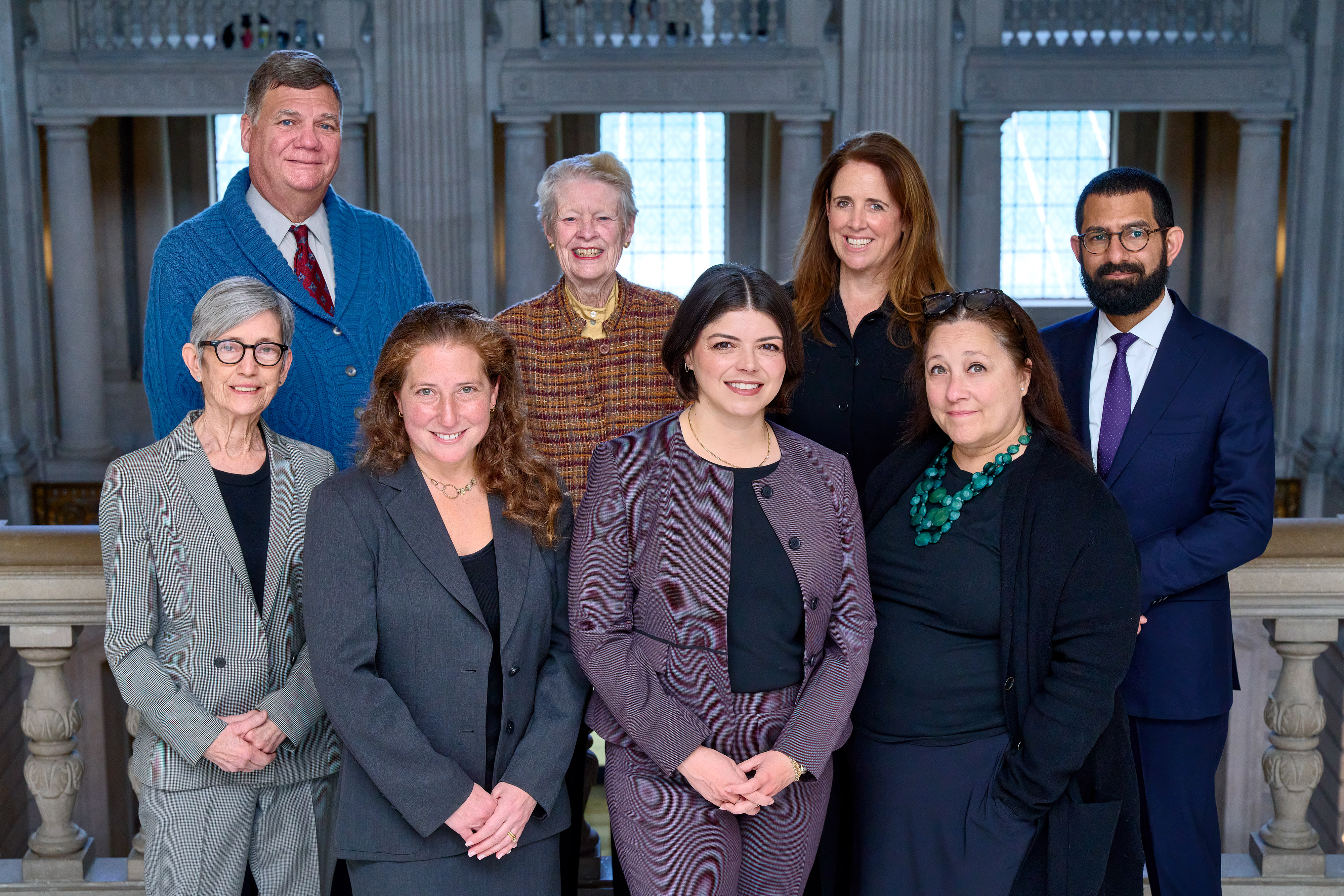
Attorneys from the three law offices that presented the case for the city are proud of their accomplishments. "San Francisco has really borne the brunt of the opioid crisis," Deputy City Attorney Jaime Huling Delaye said. "We think the litigation ... is playing an important role in helping treat people and prevent future opioid deaths."
Robbins Geller's Aelish Baig, who has been concentrating on opioid litigation since 2016, said San Francisco's lawsuit was uniquely complex because it was the only bellwether against all three categories of defendants: manufacturers, distributors and pharmacies. Some of the defendants settled out before trial, some during trial and some just before closing arguments, leaving only Walgreens at the end.
The city filed its complaint in 2018, and it was chosen as a bellwether in 2020. The attorneys filed the first amended complaint "literally the Friday before the shelter in place was announced," Huling Delaye said, and they worked on an accelerated schedule throughout the pandemic to handle a huge amount of discovery and defeat nine motions to dismiss and six motions for summary judgment.
They wanted San Francisco's trial to be a bellwether because of the great impact opioids have had on the city and the innovative ways all levels of city government responded. "This was an opportunity for us to give voice to all those people and all those stories and hold people accountable for creating that situation," Sara Eisenberg, the city attorney's chief of complex litigation, said.
Beyond the number of deaths -- more from opioids than COVID-19 -- parks had to be closed because of needles and librarians had to be trained to dispense naloxone.
During her portion of closing arguments, Baig told Judge Breyer that it was "offensive to the senses" that the city now needs "a dedicated team to check bodies on the streets for a pulse."
Richard Heimann and his team were primarily responsible for devising the strategy and putting on the evidence against Walgreens. He put one current and several former Walgreens pharmacists on the stand to describe the intense pressure they felt from management to fill prescriptions.
He showed that 8% to 10% of the many thousands of opioid prescriptions in the city from Walgreens were "written by doctors who had ... been disciplined for improper opioid prescribing by the state Medical Board. An executive testified that the company had tools to spot such doctors, but it chose not to share that data with pharmacists because it "didn't want to cloud their judgment."
In the end, Breyer wrote that Walgreens "substantially contributed to an opioid epidemic with far-reaching and devestating effects across San Francisco."
- Don DeBenedictis
For reprint rights or to order a copy of your photo:
Email
Jeremy_Ellis@dailyjournal.com
for prices.
Direct dial: 213-229-5424
Send a letter to the editor:
Email: letters@dailyjournal.com