


Apr. 12, 2023
The fight to keep victim DNA out of criminal databases
See more on The fight to keep victim DNA out of criminal databasesJane Doe v. The City and County of San Francisco


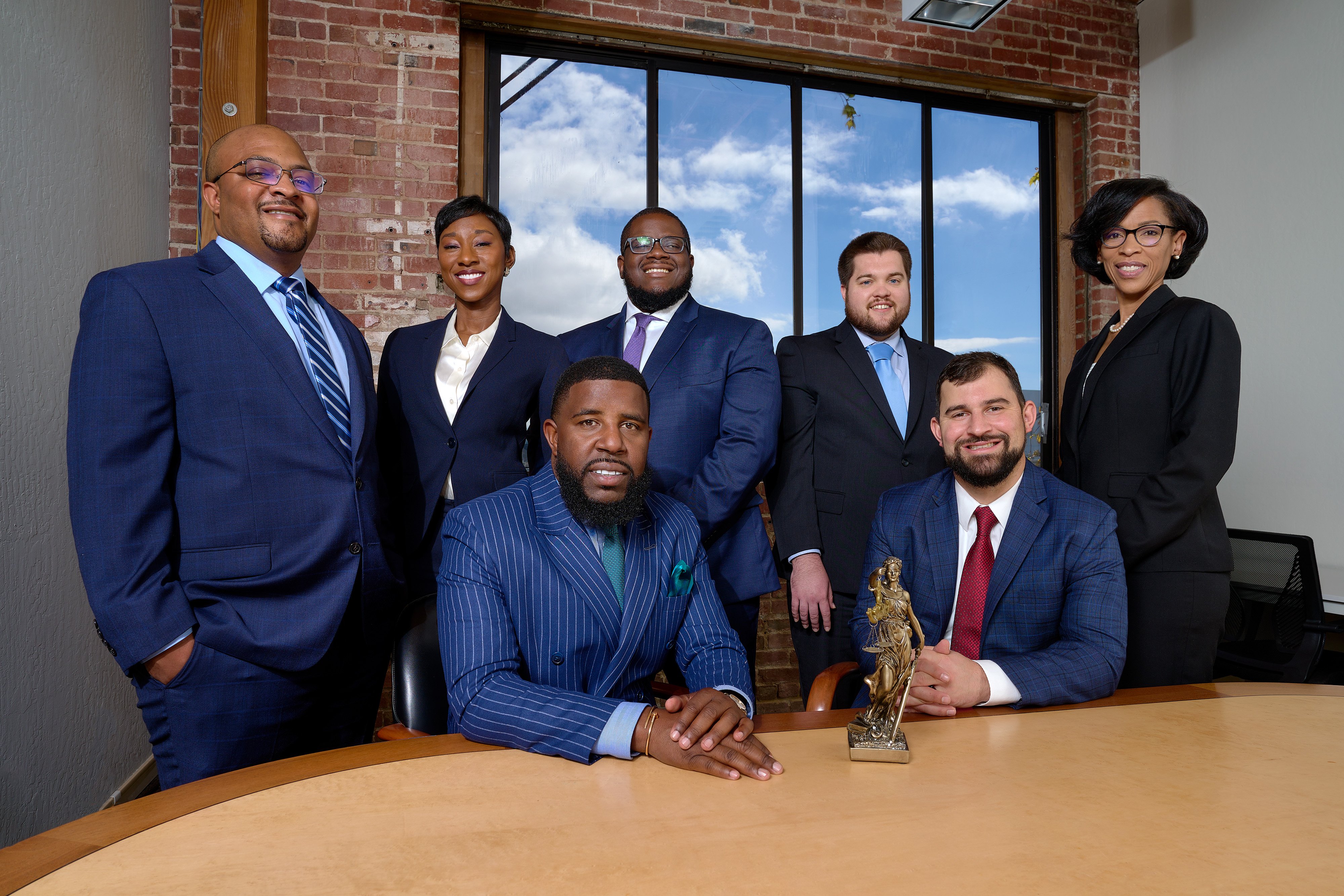
Promoting positive transformation in civil rights cases can mean working beyond the courtroom. "Sometimes the court of public opinion is more effective at generating buzz and effecting immediate change," said Adanté D. Pointer, who, with law partner Patrick M. Buelna has been successful in both venues.
Pointer and Buelna sued local officials after learning that San Francisco police used a woman's DNA from a 2016 rape kit after she'd been sexually assaulted to identify and arrest her years later for an unrelated property theft crime.
Their complaint called it an "arbitrary, unlawful, unconstitutional invasion of privacy" that re-victimized their client. They sought unspecified economic and punitive damages and court orders to prohibit the storing of crime victims' DNA in a law enforcement database without consent. Jane Doe v. The City and County of San Francisco, 3:22-cv-05179 (N.D. Cal., filed Sept. 12, 2022).
The litigation remains in progress after two rounds of defense motions to dismiss. But the news conferences and social media exposure Buelna and Pointer organized after filing the suit whipped up public indignation, international headlines and official concern over the misuse of technology.
"This is government overreach of the highest order, using the most unique and personal thing we have -- our genetic code -- without our knowledge to try and connect us to crime," Pointer said.
Added Buelna: "The city's decision to re-purpose a sex victim's DNA to prosecute her in an unrelated matter rather than her perpetrator breaks not just the fundamental bond between the government and its citizens to protect the community from harm -- but in a more real way it turned the government into the very predator who preys on society's most vulnerable victims."
Within days of the suit's filing, Gov. Gavin Newsom had signed into law SB 1228, a law restricting the use of victim DNA in criminal databases. The bill had been in the works for months. Pointer and Buelna's strategic use of litigation rode the wave of calls for reform. "We helped ratchet up the pressure to do something," Pointer said.
Buelna and Pointer worked with Oakland civil rights guru John L. Burris before opening their own shop in 2020 with another Burris protégé, Ty Clarke. "We all met there," Pointer said.
Earlier in 2022, Buelna and Pointer again teamed up with Burris to obtain a $21 million wrongful death verdict in a police negligence case over the fatal shooting of Elena Mondragon, 16. They represented the victim's mother, Michelle Mondragon. Mondragon v. City of Fremont et al., 5:18-cv-01605 (N.D. Cal., filed Mar. 14, 2018).
"With Jane Doe, we move toward taking on cases with broader impact," Pointer said. "Privacy technology and government information collection practices are now at the forefront of civil rights litigation. The law is slow to catch up with techniques that really mimic science fiction horror plots."
- John Roemer
For reprint rights or to order a copy of your photo:
Email
Jeremy_Ellis@dailyjournal.com
for prices.
Direct dial: 213-229-5424
Send a letter to the editor:
Email: letters@dailyjournal.com