


Apr. 12, 2023
Lawyers hope Kobe Bryant crash photos settlement inspire law enforcement sensitivity nationwide
See more on Lawyers hope Kobe Bryant crash photos settlement inspire law enforcement sensitivity nationwideVanessa Bryant v. County of Los Angeles et al.


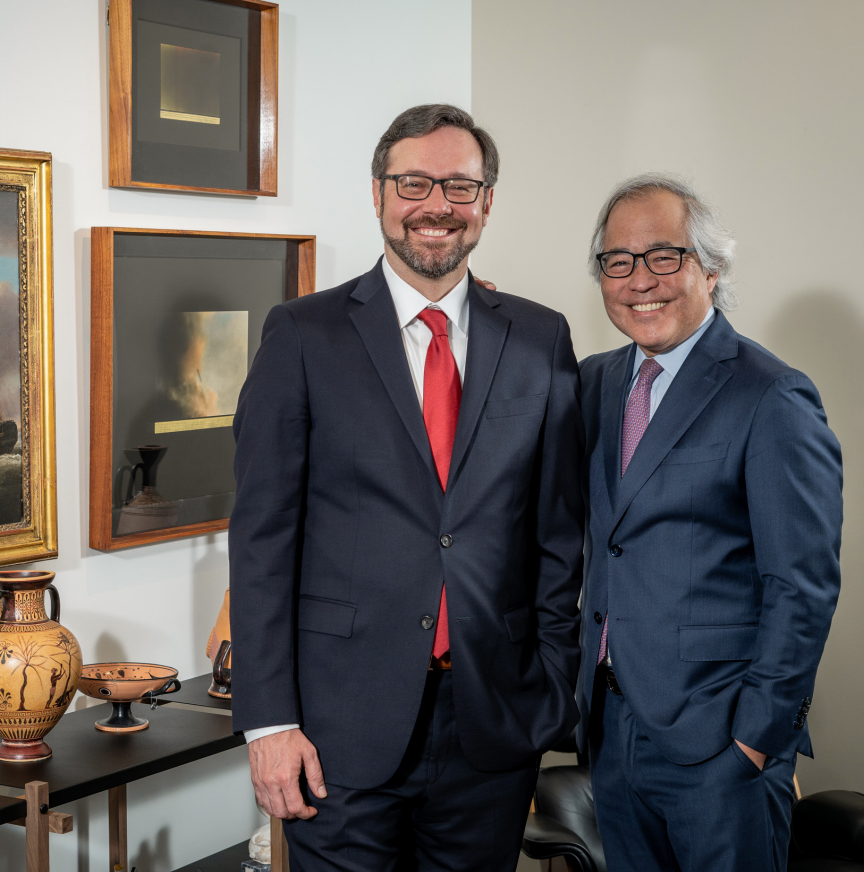
The nation was shocked in January 2020 by the death of basketball legend Kobe Bryant, his daughter and seven others in a horrific helicopter crash. It was shocked again just a month later by revelations that L.A. county deputy sheriffs and firefighters had taken photos of the gristly crash scene and shared them with others.
Achieving a $15 million jury verdict in a federal civil rights trial for Bryant's family two and a half years later turned on emotional testimony from his widow, Vanessa Bryant, some damning statements from the Los Angeles County sheriff and a great deal of evidence that wasn't there.Vanessa Bryant v. County of Los Angeles, 2:20-cv-09582, (C.D. Cal., filed Oct. 19, 2020).

The county ultimately settled the case and related claims this February for $28.85 million. It also settled claims by the families of others who died in the crash.
Luis Li, the family's lead plaintiffs' attorney, said the jury's verdict made clear that taking and sharing those photos "offended notions of decency and appropriateness" and sharing them "when there was no business purpose, violated Mrs. Bryant's constitutional rights."
Her testimony was critical, he said. "She told the jurors how much this had hurt her and her family and exposed [them] to fear and anxiety over the future."
Before the trial, the plaintiffs' team spent "many, many hours over many, many months" trying to find any of the photos, said Jennifer Bryant, who largely oversaw the effort. When it turned out that 11 deputy sheriffs had lost, tossed or wiped their cellphones and a fire chief had turned in his department laptop without a hard drive, she pushed forward to sanction the county for spoliation of evidence.
Judge John F. Walter agreed to instruct jurors that they could conclude any evidence they believed was intentionally destroyed would have been bad for the defense.
"Eventually obtaining those facts about destroyed evidence proved to be incredibly important at trial," she said.
Also important was the testimony of some of those deputies and firefighters. In his closing argument, Craig Jennings Lavoie went through it witness by witness, first showing that each had taken and shared photos, then destroyed them and then lied about doing so.
"I think each piece of that really resonated with the jury," he said. "The conduct itself obviously was unspeakable. But I think it was unsettling for them seeing the dishonesty among these public servants ... particularly by people who are sworn law enforcement officers."
The county was the only defendant, however. The plaintiffs' team had to prove that the sheriff and fire departments either had no policy or training against this misconduct or had a custom or practice to allow it.
Sheriff Alex Villanueva's testimony was important on that point. He had earlier said that taking photos of death scenes "had been a problem ever since they invented the Polaroid." And on the stand, Li got Villanueva to admit that only "God knows" where all the photos may have ended up.
Li said he believes the verdict is affecting courts and police departments across the country, noting that the South Carolina judge in the Alex Murdaugh trial made a point to seal crime scene and autopsy photos.
"I think the fact that people are now paying more attention to this ... will have an impact on departments all over the country ... and hopefully these types of invasions of privacy that are really hurtful will stop."
- Don DeBenedictis
For reprint rights or to order a copy of your photo:
Email
Jeremy_Ellis@dailyjournal.com
for prices.
Direct dial: 213-229-5424
Send a letter to the editor:
Email: letters@dailyjournal.com