


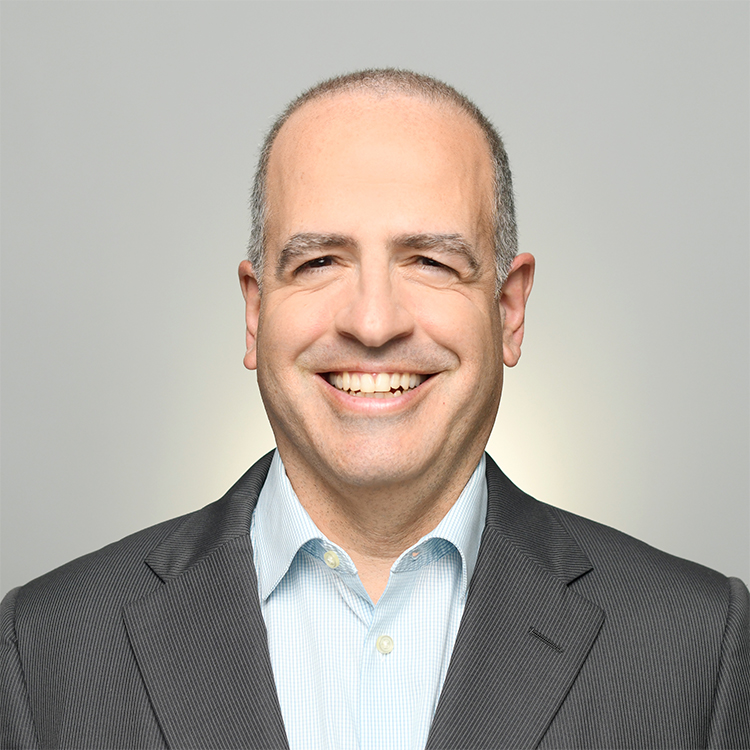
There are two sides to Jonathan Singer’s practice as the founder of Fish & Richardson’s life sciences litigation practice. He represents pharmaceutical companies that create and sell brand-name drugs, generally litigating against generics makers. But with the newer, “big molecule” biologics therapies, he represents the generic companies making “biosimilar” molecules in disputes with the brands.
In the last couple of years, a big case from each side of his practice has raised very important drug policy concerns, even though they turned on what he described as boring technical issues.
In the most pressing, he is part of the team with partner Juanita Brooks representing GlaxoSmithKline in a fight with Teva Pharmaceuticals over Teva’s generic version of a heart medication. Glaxo won a $235 million verdict in 2017, which the Federal Circuit upheld twice.
The U.S. Supreme Court was scheduled to consider a petition for certiorari in the case last week [May 11]. GlaxoSmithKline LLC v. Teva Pharmaceuticals USA Inc., 22-37 (U.S., filed July 11, 2022).
The big policy issue is whether a generic drug that is approved for fewer uses than the brand-name drug infringes patents when the generic is prescribed for uses not listed on its label. That is “kind of a boring patent issue,” but when the jury found there was infringement, “all hell broke out,” Singer said. “It’s an issue all over the world.”
In this case, the branded drug is Coreg, a beta-blocker usually used to reduce blood pressure. A Glaxo researcher, counterintuitively, discovered it also treats heart failure. “It’s a wonderful story,” he said. “We described it to the jury, and we won this case.” It exemplifies why new uses of drugs should be researched and protected by patents, Singer added.
Singer said he largely wrote the client’s response to the cert petition, along with the team. The FDA supported the generic maker.
“I have no answer on what’s better for policy purposes,” he said. “I can think of good arguments for either one.”
The case on the biologics side of his practice dealt with Fish client Alvotech’s biosimilar version of the arthritis drug Humira. Thanks to Singer’s innovative litigation strategy, the case settled in March 2022. AbbVie Inc. v. Alvotech, 1:21-cv-02258 (N.D. Ill., filed April 27, 2021).
The important issue remains to be figured out. The Hatch-Waxman Act sets out a scheme for generic medications to be approved for sale. No similar pathway existed for biosimilars until Obamacare, Singer said. But its procedure is unwieldy and allows brand makers to force dozens of patents, called a “patent thicket,” to be litigated before a generic can be approved.
In his case, Singer devised a strategy that allowed the judge to put the case on a very accelerated schedule. “If other people can do the same thing, we’ve got a realistic shot at getting these things resolved,” he said.
— Don DeBenedictis
For reprint rights or to order a copy of your photo:
Email
Jeremy_Ellis@dailyjournal.com
for prices.
Direct dial: 213-229-5424
Send a letter to the editor:
Email: letters@dailyjournal.com