


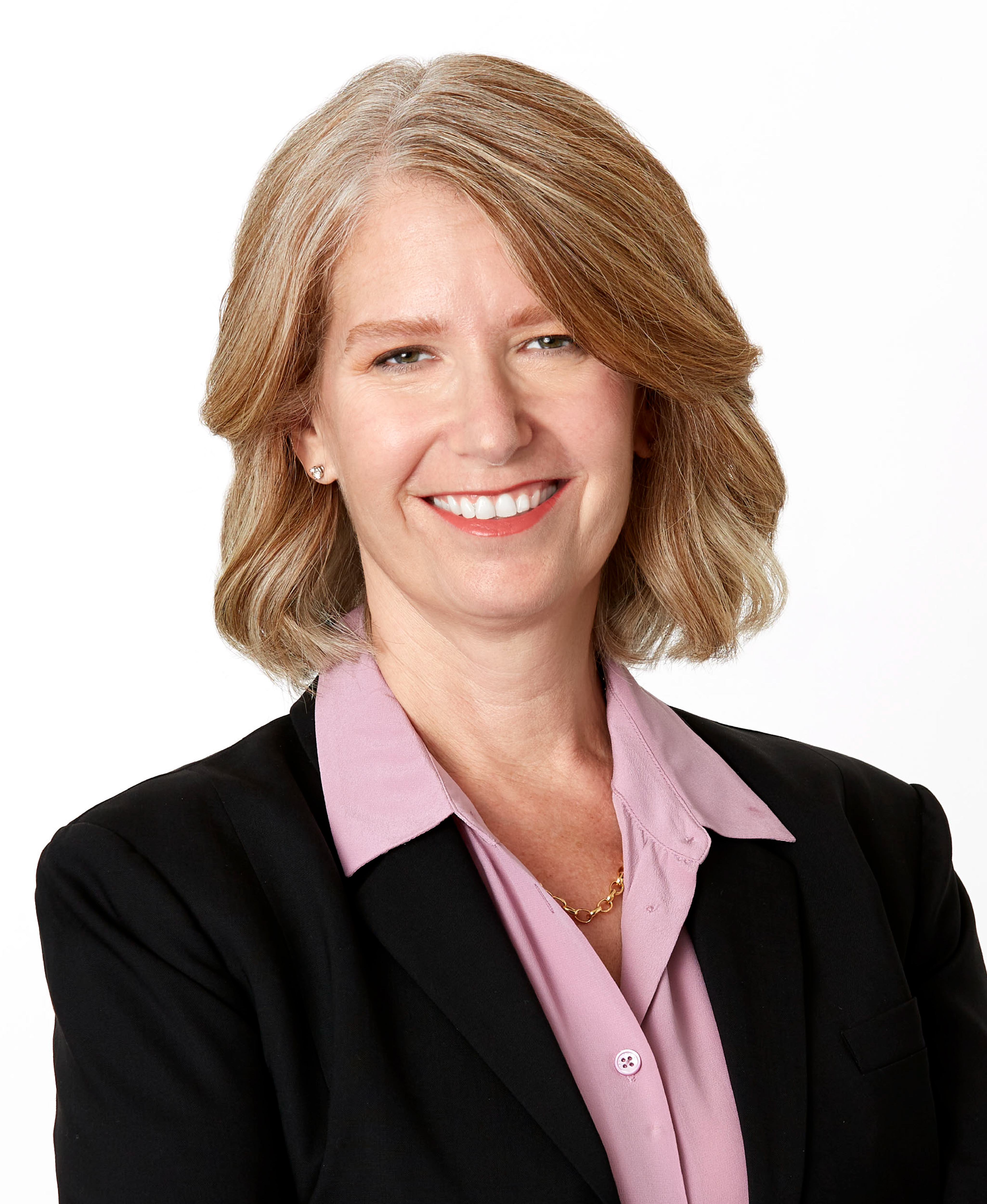
Hilary L. Potashner is a very skilled trial lawyer who led the federal public defender’s office for the Central District of California for five years and was an attorney in the office another 18 years before that.
But now, after about four years in private practice, she is pleased about how often she and her firm have been able to keep clients from even being formally charged with crimes, let alone go through trial.
“We’ve had success where we’ve reached out to the U.S. government or the district attorney to give them a more complete understanding of the circumstances,” Potashner said. “And we’re often happy that they find that there’s nothing to prosecute when they have all of the information in front of them.”
She can’t name any of those clients, of course, but they have included a school administrator, a business executive, a large Southern California corporation and a public official.
Now that Potashner is in private practice, about half her cases are civil matters, including a fight between a widow and her late husband’s estate. Eshleman v. Eshleman, CIVSB2218708 (San Bern. Super. Ct., filed Sept. 29, 2022).
Several of her civil cases are related to criminal matters. For instance, Potashner is scheduled to defend a law firm in a July bench trial in a case that arose from an alleged fraud. It raises interesting and tricky issues involving an alter ego and the application of something called the fugitive disentitlement doctrine, she said.
Her most high-profile, public matter was not a criminal or civil case. She and partner Stephen Larson led an eight-month investigation into Riverside County’s foster care and conservatorship systems following the highly publicized rescue of the 13 Turpin children from their abusive home in 2018. The county called for the probe in response to widespread criticisms of its social agencies’ apparent oversight of the family.
The firm submitted its 634-page report last July. It concluded that the county agencies were working with the best intentions, but were hampered by difficulty or limitations with interagency communications.
“We came up with a series of recommendations that we thought would make their work more effective,” Potashner said.
The recommendations provided detailed action steps to fix problems and specified which county unit should be responsible for each. “I’m proud of the work that our firm did. This matter presented a unique opportunity to put together a very thoughtful and useful investigation report,” she said.
“There were a lot of eyes on this report, and we were very pleased that the Board of Supervisors unanimously adopted our recommendations,” Potashner said.
— Don DeBenedictis
For reprint rights or to order a copy of your photo:
Email
Jeremy_Ellis@dailyjournal.com
for prices.
Direct dial: 213-229-5424
Send a letter to the editor:
Email: letters@dailyjournal.com