


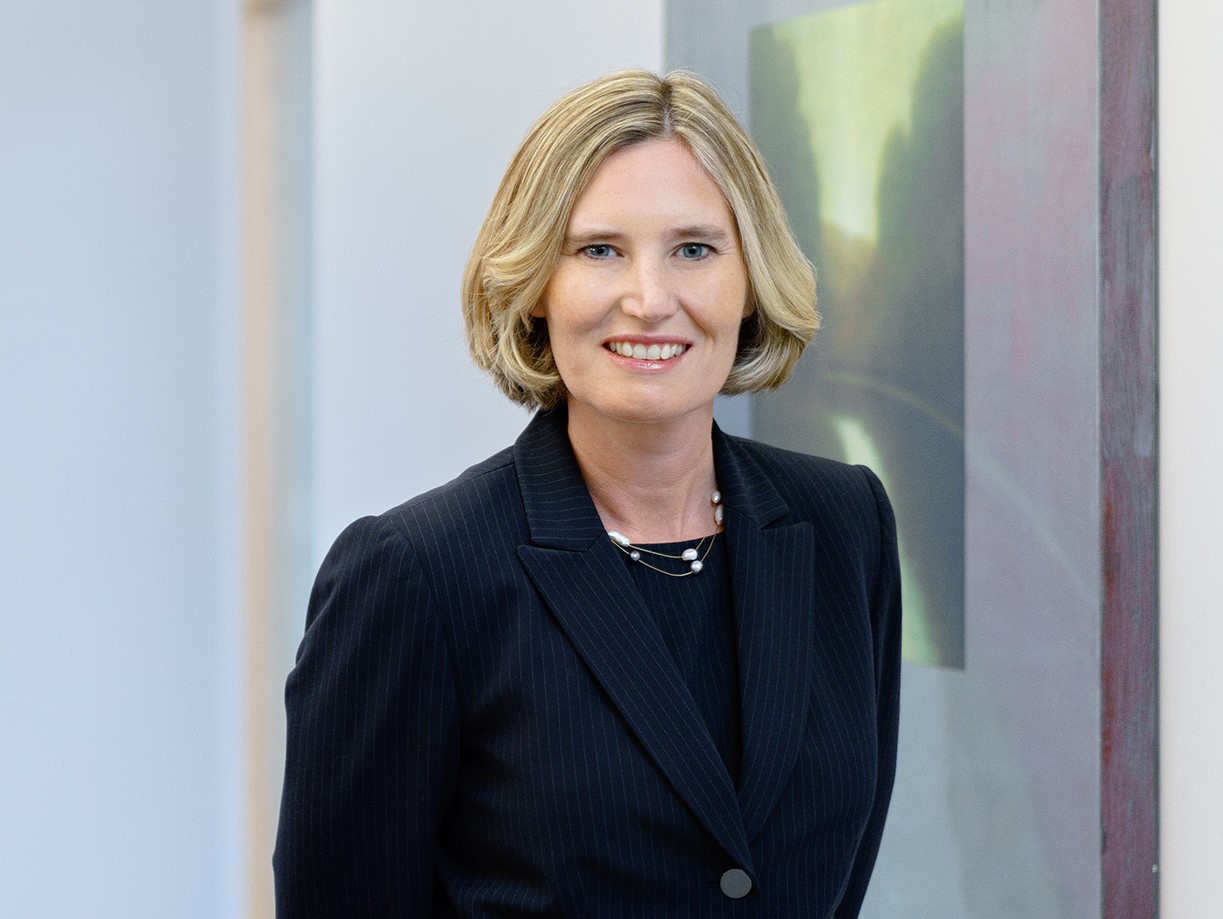
A big portion of Rachael E. Meny’s practice has long been handling trade secrets and employee mobility disputes, and lately she has been busier than ever.
“They pop up all of the time,” Meny said. “In the last six months to a year, I have seen a significant increase in the number of cases.” That compares to the previous five years when she would see a substantial dispute only every year or so.
One reason for the uptick, of course, is the pandemic and the great rise in remote work it produced. Employers are paying more attention to departing employees than five years ago because they recognize that any employee could have access to sensitive, confidential information, she said.
Another factor is the recent spate of layoffs by big tech companies. “There are just more people moving.”
Disputes about an employee leaving a company for a competitor are especially common among California tech companies and startups in Meny’s practice. That includes increased mobility across state lines.
“For the first time, we’re seeing California companies with employees in other places working remotely,” she said. “So there’s been a real uptick in both questions about … the rules regarding non-solicitations and non-competes.”
A typical question might be from a California company that wonders if it can enforce a noncompete agreement against an employee who’s always worked in New York. Or a New York company with an employee who’s always worked in California may wonder if it can enforce the New York choice-of-law agreement the employee signed.
California courts generally protect the worker’s right to change jobs in these kinds of disputes, she said, while the New York courts generally side with the former employer.
Meny represents parties on either side of mobility disputes. None of the matters she’s worked on over the last year has gone as far as filed litigation, she said. “Which I guess means I’m doing my job correctly.”
Another large portion of Meny’s practice has been representing gig-economy companies such as Lyft and Instacart. She represents Instacart’s parent company in a misclassification suit filed by the San Diego city attorney that settled for $46.5 million last year. People of the State of California v. Maplebear Inc., 37-2019-00048731 (S.D. Super. Ct., filed Oct. 28, 2019).
She also represents Lyft in similar litigation brought by other city attorneys and the state attorney general. It is now part of a Judicial Council coordinated proceeding.
That case is stayed because the rideshare companies’ motion to arbitrate claims by the attorney general and the labor commissioner seeking individualized relief on behalf of drivers is on appeal. In Re: Uber Technologies Wage and Hour Cases, A166355 (Cal. App. 1st Dist., filed Oct. 4, 2022).
— Don DeBenedictis
For reprint rights or to order a copy of your photo:
Email
Jeremy_Ellis@dailyjournal.com
for prices.
Direct dial: 213-229-5424
Send a letter to the editor:
Email: letters@dailyjournal.com