


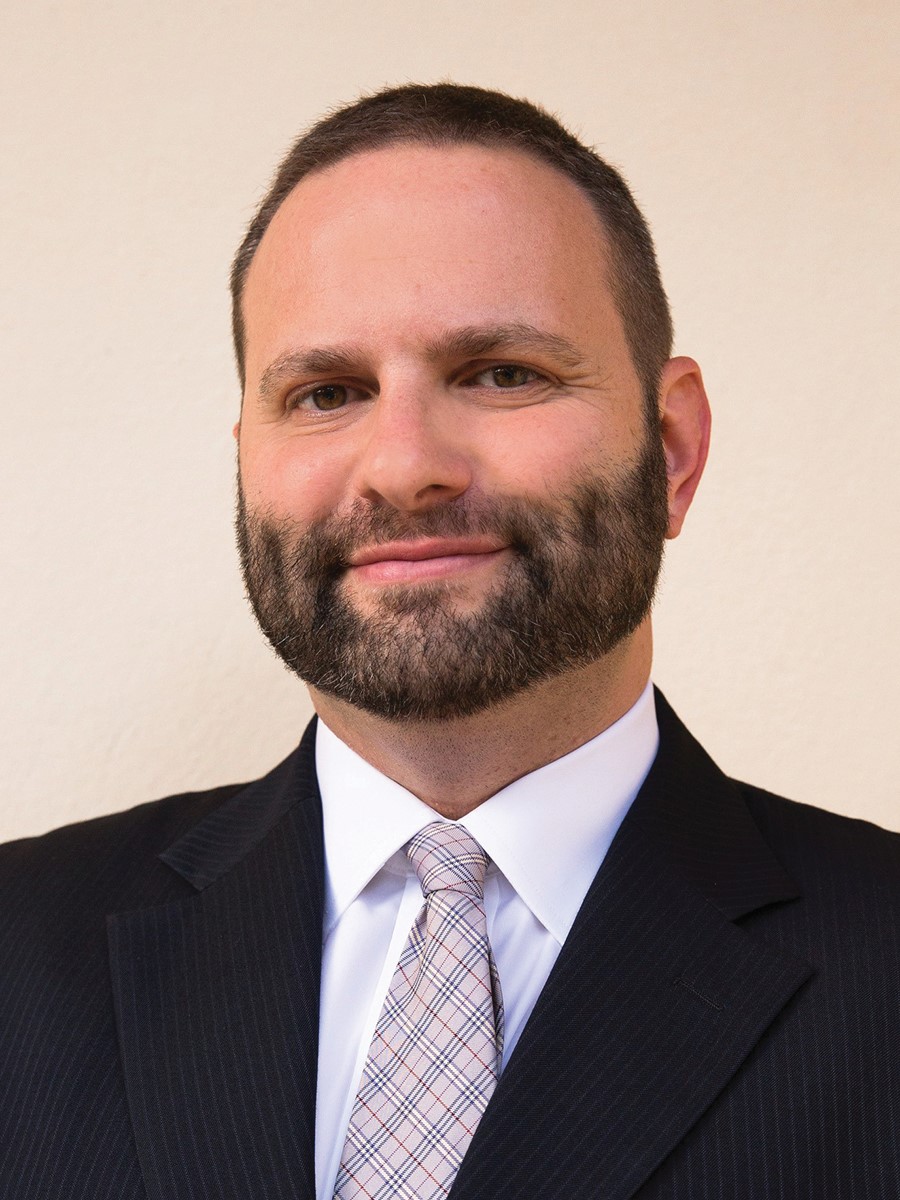
In high-stakes litigation, Jeremy T. Elman represents Carl Zeiss Meditec, who seeks damages and permanent injunctive relief in the billion-dollar ophthalmic diagnostic industry. He secured a preliminary injunction and is set for a two-week jury trial in February 2024 in the Northern District of California. Carl Zeiss Meditec, Inc. v. Topcon Medical Systems, Inc., et al., 4:19-cv-04162 (N.D. Cal, filed July 19, 2019).
Notably, Elman led a team of dozens of attorneys in uncovering substantial evidence of alleged infringement across the globe. The case revolves around trade secrets encompassing encrypted algorithms, which are alleged to have been misappropriated by the defendants in an effort to develop competing products. Elman's work also entailed a forensic examination of nearly 200 devices belonging to the defendants.
This case, and others in which Elman has been involved during the past year, are significant because of the necessity of cataloging trade secrets for protection, safeguarding trade secrets when related products are commercially available, protecting software and source code as trade secrets and distinguishing between trade secrets and proprietary information.
Elman also helps clients differentiate between software that can be protected as trade secrets and open-source software. Elman and his team have worked on developing and enforcing trade secret policies to safeguard sensitive information, especially in industries with high employee turnover and remote work.
Elman pointed out a few key trends he has observed. One notable one is the increasing prohibition of non-compete agreements by states and possibly the FTC. This shift poses challenges to employers who traditionally used non-competes to protect trade secrets, requiring clients to adapt their strategies. Additionally, Elman highlighted the emerging role of AI in trade secrets. "Can a generative AI software create its own trade secrets as an alternative to patents or copyrights where the AI cannot be considered an owner or author?" He said. "Or could all the recent developments in AI allow entities to comprehend information that would otherwise be protectable as a trade secret? Would using an AI to learn information be considered improper means for misappropriation purposes? It's likely this issue will start to arise soon in the courts, just as it has for other IP rights."
Elman is actively involved in various professional activities and associations, including serving as a panelist in Lex Machina's 2023 Trade Secret Report webinar and as a dialogue leader at the Sedona Conference's Annual Trade Secret Meeting. He is also a member of the Sedona Conference Working Group on Trade Secrets (WG12).
For reprint rights or to order a copy of your photo:
Email
Jeremy_Ellis@dailyjournal.com
for prices.
Direct dial: 213-229-5424
Send a letter to the editor:
Email: letters@dailyjournal.com