


DOLLAR AMOUNT: $332 million
CASE NAME: Dennis v. Monsanto Company
TYPE OF CASE: Failure to warn
COURT: San Diego County Superior Court
JUDGE(S): Judge Kevin Enright
PLAINTIFF LAWYERS: Kiesel Law LLP, Paul R. Kiesel, Melanie M. Palmer; Clark, Love & Hutson, Scott Love, Adam Peavy, Grace Hooten
DEFENSE LAWYERS: Arnold & Porter Kaye Scholer LLP, Pamela J. Yates; Evans Fears Schuttert McNulty & Mickus, Joshua D. Cools
After defense attorneys won a string of nine jury verdicts in lawsuits accusing the popular weedkiller Roundup of causing cancer, plaintiffs' attorneys figured they needed to change how they try the cases.
"We spent a significant amount of time researching the prior trials to see what was done both correctly or incorrectly or what was successful or unsuccessful," Adam Peavy said. "The evidence speaks for itself, but the presentation we thought needed to be more simplified."
The change worked. At the end of October, a San Diego jury said Roundup maker Monsanto must pay $334 million to Peavy's client, who claimed exposure to Roundup caused him to develop cancer. Dennis v. Monsanto Co., 37-2021-00047326 (S.D. Super. Ct., filed Nov. 5, 2021).
To simplify the evidence, the team let corporate witnesses and documents show that the weedkiller causes non-Hodgkins lymphoma. "We just had to explain to the jury why: that Monsanto knew from the seventies when they were doing animal studies ... that this product, glyphosate and all the impurities that are found in the bottle, causes cancer.
"When you make a case simple like that and you don't get into the weeds, jurors understand," he said.
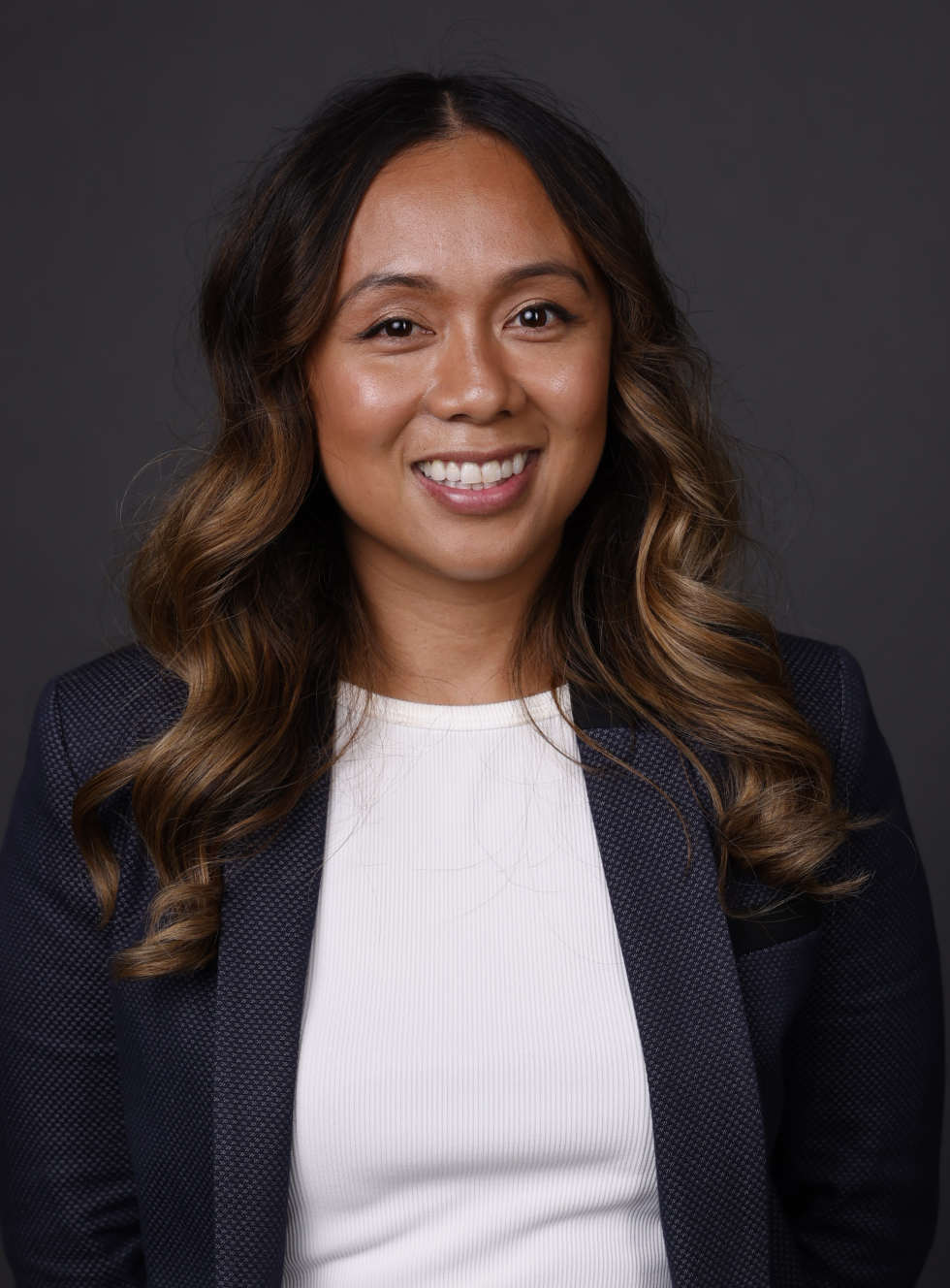
Rather than having plaintiff's lawyers and experts tell the story to the jury, "we tell the story through [Monsanto's] witnesses, their cross-examinations, their own documents," said Scott Love of Houston's Clark Love & Hutson.
"At the end of the day, we can close the case out by saying ... this is Monsanto acknowledging what the facts are. Unfortunately, they just failed to tell the consuming public of all of the risk and problems with a product that they were aware of."
That approach led this jury to award $325 million in punitive damages, which Clark said equaled about 10% of the company's profits. He acknowledged the amount is likely to be reduced by the judge.
"When you really look at the documents and what they said internally ... their conduct is malicious," he said. "That's what the jury's instructed to do: punish someone who acts in that manner and harms the public."
The jury deliberated for four days, according to Paul Kiesel. He and partner Melanie Palmer selected the jury for the case while the Houston attorneys handled the trial. Kiesel said he has picked juries in Roundup cases in San Bernardino and Los Angeles as well.
"It makes sense for a number of reasons. Number one, California's own unique style for jury selection that many states do not have. And our judge had his own style of doing it ... but something I was comfortable with."
Monsanto's defense attorneys did not respond to a request to comment on the case. But in a statement after the verdict, the company noted that the jury found in its favor on two of the four causes of action. "We have strong arguments on appeal to get this unfounded verdict overturned and the unconstitutionally excessive damage award eliminated or reduced," it said.
Since October, Roundup plaintiffs have won five verdicts in addition to this one, including one for $1.56 billion in Missouri and another last month for $2.25 billion in Pennsylvania.
-- Don DeBenedictis
For reprint rights or to order a copy of your photo:
Email
Jeremy_Ellis@dailyjournal.com
for prices.
Direct dial: 213-229-5424
Send a letter to the editor:
Email: letters@dailyjournal.com