


Feb. 21, 2024
Nord et al. v. Assisting Hands Home Care
See more on Nord et al. v. Assisting Hands Home Care


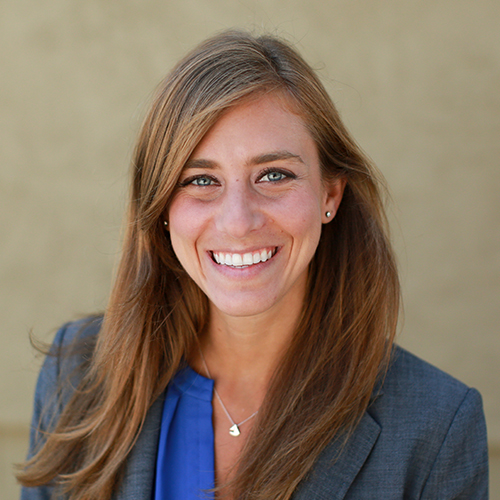
CASE NAME: Nord et al. v. Assisting Hands Home Care
TYPE OF CASE: Negligence
COURT: Orange County Superior Court
JUDGE(S): Judge Nathan Vu
DEFENSE LAWYERS: Tyson & Mendes, Emily S. Beck, Harry W. Harrison
PLAINTIFF LAWYERS: Conlogue Law LLP, Kevin S. Conlogue
Home health caregivers faced a $9.4 million elder abuse claim after a 95-year-old patient, John Nord, fell while seated in the bathroom of his house. He died two days later. But lawyers at the national civil defense firm Tyson & Mendes LLP, led by partners Emily S. Beck and Harry W. Harrison, persuaded an Orange County jury to return a verdict in favor of its client, Assisting Hands Home Care.
One key to the win was the defense's use of techniques devised by Tyson & Mendes strategic managing partner Robert F. Tyson Jr. to avert what he calls -- in a trademarked phrase --"Nuclear Verdicts." In his book of that title, such outcomes are defined as verdicts where the noneconomic damages are disproportionate to the economic damages and the facts of the case.
The techniques include tactics to defuse juror anger, which was clearly a factor in the elderly John Nord's death, according to Beck. "Cases like this are certainly more emotional and certain to stoke juror anger," she said. "The most important element here is to accept responsibility -- and make clear that that is not the same as accepting liability. Best Hands took responsibility for offering the best care available by non-skilled caregivers, and we explained the fine line between skilled and non-skilled caregivers and showed that separate industry standards apply to those categories."
She also emphasized themes of common sense and reasonableness in asking jurors to carefully assess the facts in evidence. Nord et al. v. Assisting Hands Home Care et al., 30-2020-01136994-CU-PO-CJC (O. C. Super. Ct., filed March 6, 2020).
"Here we had no directives from the family or medical providers that caregivers must be at Mr. Nord's side 24-7," Beck said. "To give Mr. Nord privacy, they were not in the bathroom with him. We tried to make jurors understand that, ordinarily, Mr. Nord was not at risk of a fall from a seated position."
Another tactic used by Beck and Harrison was to personalize the corporate defendant. Said Harrison: "The company is made up of people, and they have backgrounds, they have personal lives -- whether it be their education, whether it be their family lives. It is made up of real people doing real work, and in this case, the real work of providing home care for elderly and disabled folks."
The presence throughout the trial of Assisting Hands' owner also helped humanize the company, Beck said, adding, "She made a great impression on the jurors."
The jury deliberated for a day and a half before returning a 12-0 verdict.
In an email, plaintiff lawyer Kevin S. Conlogue noted, "Case settled pursuant to a high low agreement before the verdict came in."
That deal netted the plaintiffs $150,000. "That figure was consistent with our pretrial offer," Beck said.
--John Roemer
For reprint rights or to order a copy of your photo:
Email
Jeremy_Ellis@dailyjournal.com
for prices.
Direct dial: 213-229-5424
Send a letter to the editor:
Email: letters@dailyjournal.com