


Feb. 21, 2024
Pico Neighborhood Association et al. v. City of Santa Monica
See more on Pico Neighborhood Association et al. v. City of Santa Monica


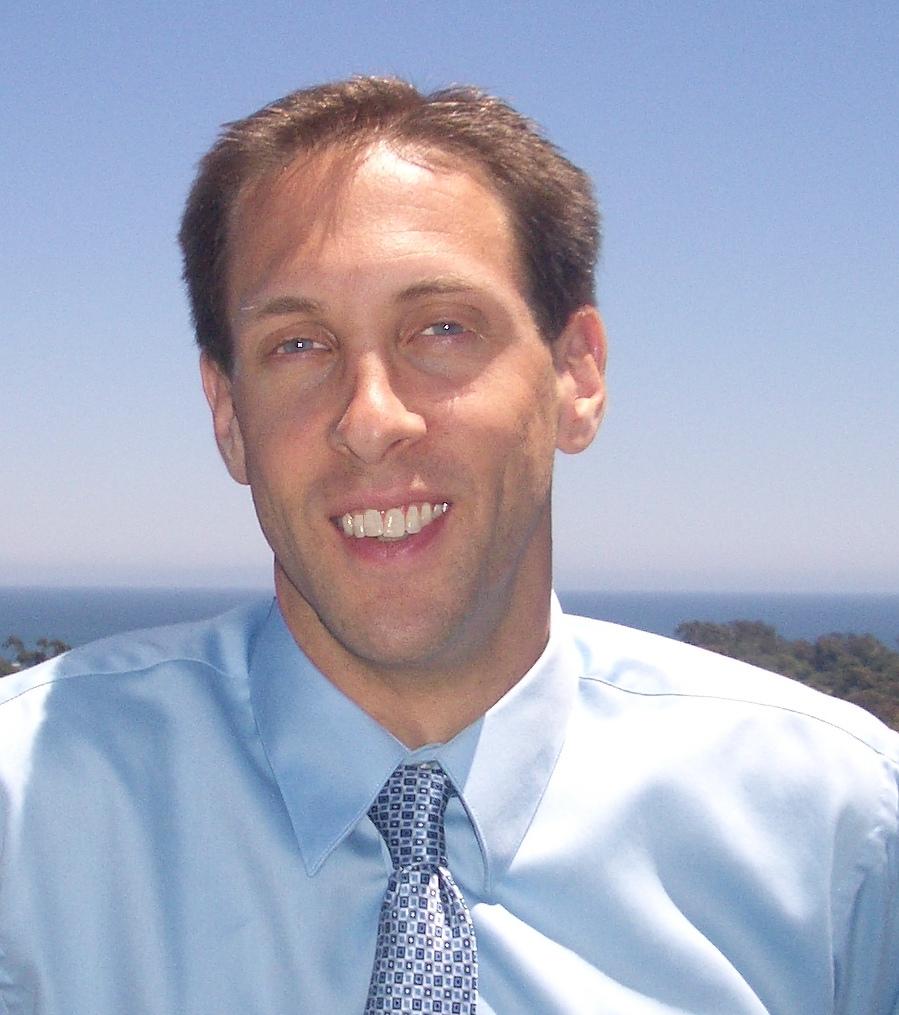
CASE NAME: Pico Neighborhood Association et al. v. City of Santa Monica
TYPE OF CASE: California Voting Rights Act claim
COURT: California Supreme Court
JUDGE(S): Chief Justice Patricia Guerrero, Justice Carol A. Corrigan, Justice Goodwin H. Liu, Justice Leondra R. Kruger, Justice Joshua P. Groban, Justice Martin J. Jenkins, Justice Kelli Evans.
LAWYERS: Shenkman & Hughes, Kevin I. Shenkman, Mary R. Hughes, Andrea Alarcon; Goldstein, Borgen, Dardarian, Morris J. Baller, Laura L. Ho, Anne P. Bellows, Ginger L. Grimes; The Law Office of Robert Rubin, Robert Rubin
LAWYERS: Gibson, Dunn & Crutcher LLP, Theodore J. Boutrous Jr., Marcellus A. McRae, Kahn A. Scolnick, Tiaunia N. Henry, Daniel R. Adler
The California Voting Rights Act of 2001 (CVRA) provides California voters with significant legal safeguards, guaranteeing minority communities their votes will not be diluted by at-large elections. As a result of the CVRA, hundreds of cities and other local agencies have converted from at-large elections to district elections.
In Pico Neighborhood Association v. City of Santa Monica, Latino residents of Santa Monica filed a CVRA challenge in 2016, claiming that the use of at-large city council elections was discriminatory, preventing Latinos from electing candidates of their choice.
The plot twists in the case are continuing their lengthy convolutions through the courts. After a six-week trial in 2018, the Los Angeles Superior Court ruled in favor of the plaintiffs. The City of Santa Monica appealed and convinced the appellate court to reverse the trial court's decision because Latinos in Santa Monica did not comprise a majority of eligible voters in any potential district.
In August 2023, a unanimous California Supreme Court reversed and remanded the Court of Appeal's decision. Justice Kelli M. Evans wrote, "We have determined that the Court of Appeal relied on an incorrect legal standard to conclude that plaintiffs had failed to satisfy the dilution element of their CVRA claim." Evans explained, "To prevail on a CVRA claim, a plaintiff who has established the existence of racially polarized voting in an at-large system need not prove that the protected class would constitute a majority--or, as the City proposes, a near majority--of a hypothetical single-member district." Evans also noted that the CVRA allows non-district remedies, such as ranked choice voting, cumulative voting, or limited voting, which do not depend on the geographic concentration of minority voters, and that "the trial court further found that the City's at-large voting system unlawfully diluted the electoral strength of its Latino residents within the meaning of the CVRA, in that several alternative voting systems -- e.g., district-based elections, cumulative voting, limited voting, and ranked choice voting --would better enable Latino voters to elect candidates of their choice or influence the outcomes of elections."
"The Supreme Court said the Court of Appeal got it wrong, and, in doing so, confirmed the CVRA protects all California voters regardless of where they live," said Kevin I. Shenkman, the lead trial lawyer for the plaintiffs. "The Supreme Court recognized that the trial court did, in fact, find that Latinos could elect their preferred candidate in the Pico neighborhood district."
Attorney Anne P. Bellows, who was a part of Shenkman's appellate team, lauded the new democratic parameters, noting that "across the state, jurisdictions that have switched to district elections have seen political futures open up for a new generation of diverse candidates who are supported by voters of color.... This law has been incredibly important in diversifying political voices in California, and I think the whole state is going to benefit in the long term."
-Kathryn Stelmach Artuso
For reprint rights or to order a copy of your photo:
Email
Jeremy_Ellis@dailyjournal.com
for prices.
Direct dial: 213-229-5424
Send a letter to the editor:
Email: letters@dailyjournal.com