


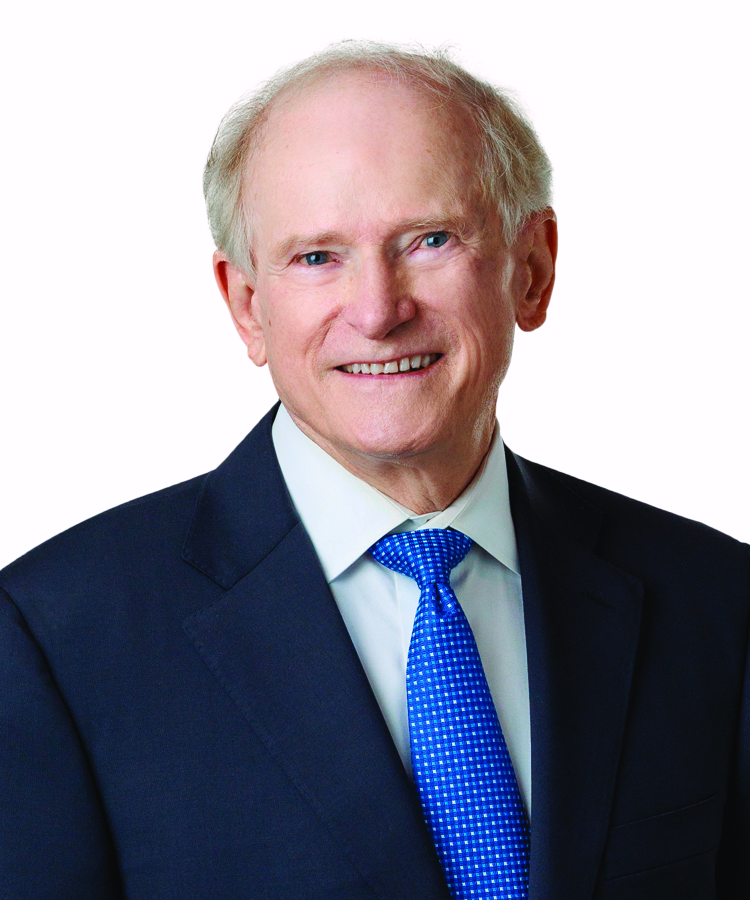
Mark L. Tuft is a partner at Womble Bond Dickinson LLP. His interest in professional responsibility began in the early 1980s as a member of the Bar Association of San Francisco Legal Ethics Committee during a time of significant change in the regulation of lawyers and the development of the law governing lawyers. Serving on various State Bar and ABA committees and as a State Bar delegate to the ABA enabled Tuft to develop professional responsibility as a specialty.
He has represented lawyers and law firms in resolving complex issues of professional responsibility and liability, participated in addressing challenges to the delivery of legal services and access to justice, taught legal ethics, and co-authored the Rutter Group practice guide on related topics.
Tuft has worked on several significant cases, including representing a number of lawyers in private practice and corporate and government lawyers in State Bar investigations that concluded with no disciplinary actions. He has also represented domestic and international corporations and nonprofit entities in resolving unlawful practice of law, temporary practice, and remote practice issues, and assisted law firms in structuring innovative associations with nonlawyer service providers and in developing procedures for the use of artificial intelligence and complying with California’s CTAPP requirements.
Tuft has had to overcome several significant challenges in his work.
“California’s international business environment and out-of-date UPL and MJP rules and regulations create significant challenges for law firms and corporate law departments engaged in multijurisdictional practice domestically and abroad,” he said. “Complex choice of law issues have become more prevalent as lawyers practice remotely or are dually licensed or authorized to practice in more than one jurisdiction.”
Tuft believes that there are several trends in the field that need to be addressed, including changing trends in multijurisdictional practice and legal services delivery systems and increasing associations with non-lawyers, including ABSs, lead generators and third-party financing entities.
“Modernizing California’s MJP rules, updating the lawyer advertising rules and the lawyer referral services statute (Business and Professions Code Section 6155(h) are areas that should be addressed now. Guidance on current and emerging technologies such as AI and associations with nonlawyer service providers is also needed to enhance access to legal services and narrow the justice gap,” Tuft said.
For reprint rights or to order a copy of your photo:
Email
Jeremy_Ellis@dailyjournal.com
for prices.
Direct dial: 213-229-5424
Send a letter to the editor:
Email: letters@dailyjournal.com