


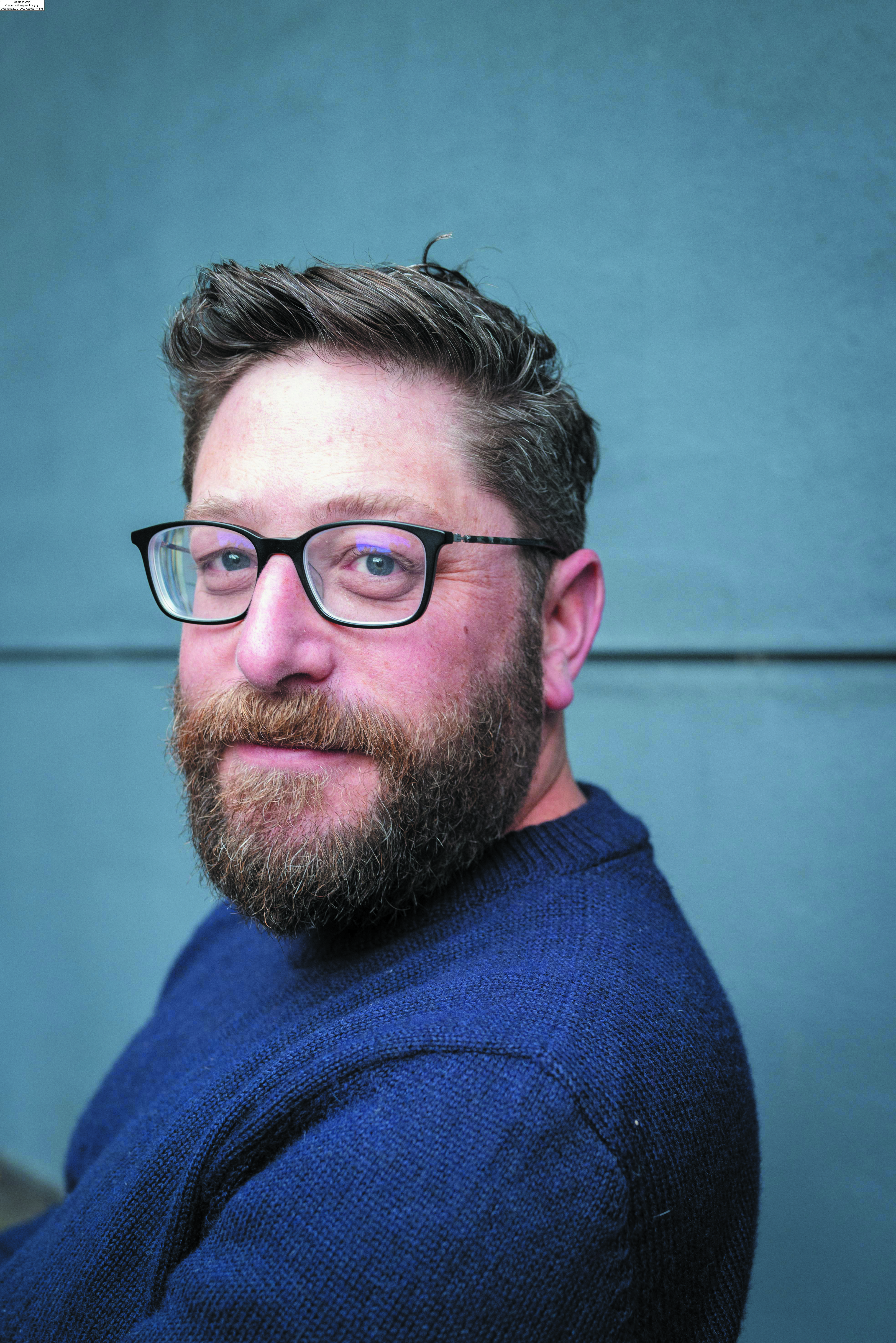
Even before attending law school, Andrew Gass was drawn to IP issues, working with a non-profit to alleviate copyright-type constraints on scientific and medical innovation. After earning his JD, he briefly worked as a deal lawyer before finding his true calling as an antitrust litigator.
"I have been insanely fortunate to have had three great mentors in my career: the late Hon. Stephen Williams, whom I clerked for on the D.C. Circuit; Professor Pam Samuelson, at Berkeley Law, who taught me copyright law; and Dan Wall, whom I litigated antitrust cases with for twelve years before he retired," Gass said.
Today, his legal practice is at the forefront of emerging issues in copyright law, antitrust law and the intriguing intersection of the two.
In summer 2023, when he secured a summary judgment for Pandora in a landmark case, which he defended for almost nine years.
This matter, concerning the use of sound recordings predating the federal copyright regime, involved two appeals to the Ninth Circuit and a two-year period in the California Supreme Court, in addition to extensive federal district court litigation.
"For reference, I started working on Flo & Eddie v. Pandora when I was a sixth-year associate ... and finally won the case as a seventh-year partner," Gass said. "That was a really hard-fought battle, with two trips to the Ninth Circuit and back, and a two-year stint in the California Supreme Court, in addition to many years of federal district court litigation."
Prior to the public's widespread awareness of generative AI, he and his colleagues were advising clients on products in development within this space. When litigation began to surge in 2023, centered on the argument that training large language models with publicly available texts constitutes copyright infringement, Gass was at the helm of some of the most high-profile cases. Representing clients such as OpenAI and Anthropic, he has already achieved significant victories, including the dismissal of ancillary, non-copyright claims in early cases against OpenAI, and the outright dismissal of a case against DeviantArt.
"That latter decision was particularly significant because the only wrongful conduct that DeviantArt was alleged to have engaged in was implementing an open-source generative AI model that another company developed," Gass said. "Ascribing liability to that behavior could have had sweeping consequences for the technology industry."
Gass is also the co-chair of Latham's AI Task Force.
For reprint rights or to order a copy of your photo:
Email
Jeremy_Ellis@dailyjournal.com
for prices.
Direct dial: 213-229-5424
Send a letter to the editor:
Email: letters@dailyjournal.com