


San Francisco
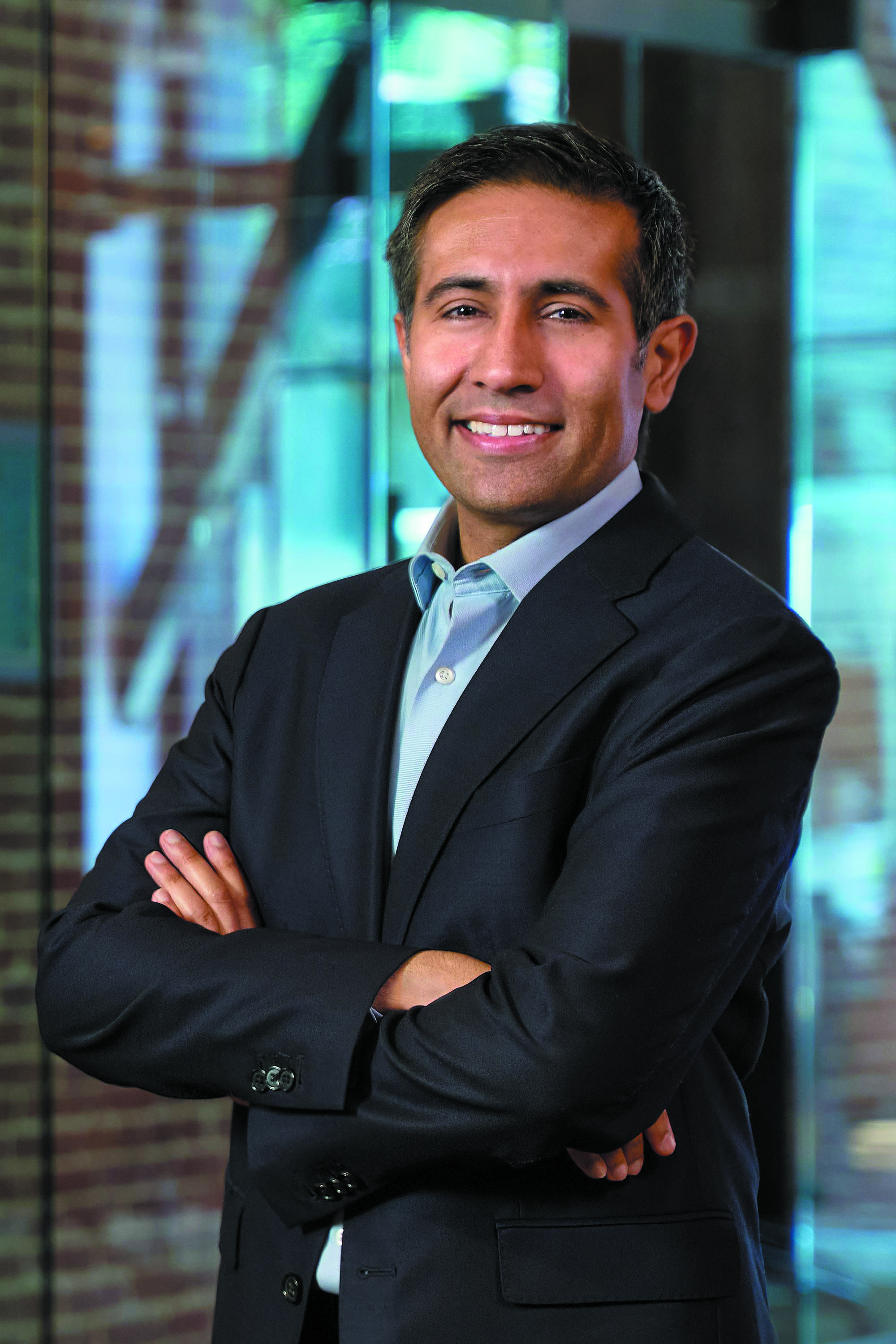
Paven Malhotra is serving as the defense counsel in six high-profile lawsuits against leading AI companies, including OpenAI and Runway. These cases are significant as they promise to shape the future of copyright law and the fair use doctrine as it pertains to AI.
"Like most people, I was first drawn to AI because I was astonished at the quality of the content foundational model companies were generating. I felt like I was witnessing a technological moment akin to the advent of the internet," Malhotra said, adding: "From there, I started asking myself how AI would change how I do work as a lawyer and also how existing legal frameworks would fit with the new AI technologies being released."
His journey in AI legal matters began in early 2023, focusing initially on counseling LLM companies on copyright risk, indemnification concerns and general IP and commercial matters. The latter half of the year saw a surge in copyright lawsuits, marking a shift in Malhotra's focus.
In a notable lawsuit filed in federal court in San Francisco last year, Malhotra is leading the defense for Runway, a generative AI platform renowned for its use in the film, "Everything Everywhere All at Once." Andersen v. Stability AI, 3:23-cv-00201 (N.D. Cal., filed Jan. 13, 2023).
This platform has revolutionized image editing and the speed at which visual effects artists can create film segments. However, illustrators and other visual artists have accused Runway and its co-defendants of using their work without permission to train their AI systems.
"In a tentative decision last month, the court threw out claims under the Digital Millennium Copyright Act and California state law," Malhotra said. "We will next turn to defeating the copyright claims by establishing that the age-old doctrine of fair use applies to the cutting-edge technologies that Runway has built."
He has also represented OpenAI, which was sued by national newspapers, including The New York Times, for alleged copyright infringement.
"These cases all assert infringement based upon use of their works to train OpenAI's GPT large language models," Malhotra said. "Given the importance of generative text applications, these cases will be industry-defining matters that also address how fair use applies to modern technologies."
He said there have been two key challenges in such matters.
"First, trying to master the underlying technological processes used to train models and then determining how to most easily explain those concepts to a lay audience," Malhotra said.
"Second, getting our hands around the complex technical discovery issues that are arising in these cases including how to handle discovery of training data, source code, models and the like."
For reprint rights or to order a copy of your photo:
Email
Jeremy_Ellis@dailyjournal.com
for prices.
Direct dial: 213-229-5424
Send a letter to the editor:
Email: letters@dailyjournal.com